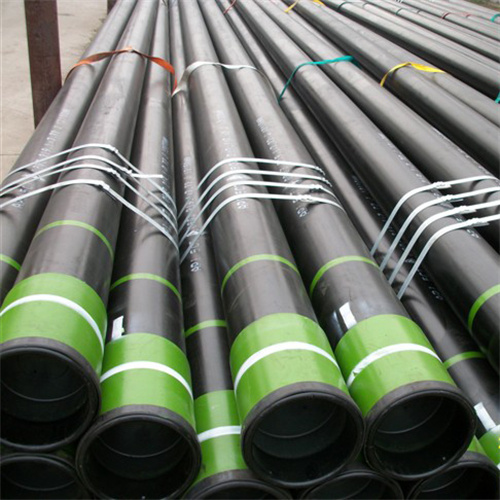
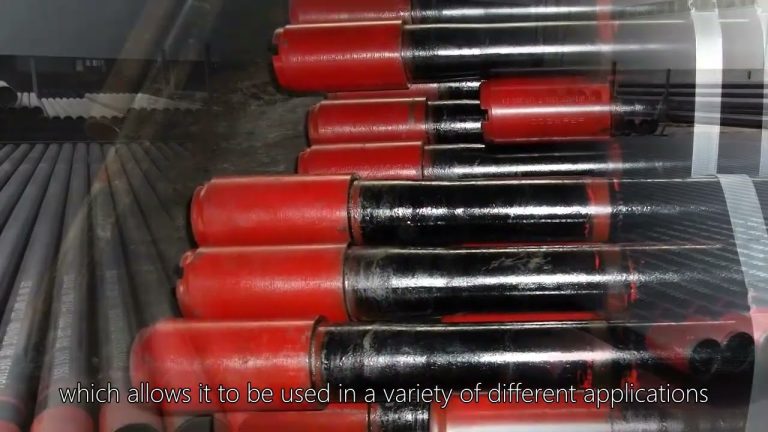
Optimizing OCTG Casing and Tubing Pipe Dimensions for Enhanced Performance
Oil country tubular goods (OCTG) play a crucial role in the Oil and Gas industry, serving as the backbone of drilling operations. Among the various components of OCTG, casing and Tubing Pipes are essential for maintaining well integrity and ensuring efficient production. The dimensions and specifications of these Pipes are carefully designed to meet the demanding requirements of downhole environments. Optimizing octg casing and tubing pipe dimensions is key to enhancing performance and maximizing operational efficiency.
When it comes to OCTG casing and tubing pipes, dimensions are of utmost importance. The outer Diameter (OD), Wall thickness, and Length of the pipes are critical factors that determine their strength, durability, and compatibility with downhole equipment. Proper sizing ensures that the pipes can withstand the harsh conditions encountered during drilling, completion, and production phases.
In the realm of OCTG, precision is paramount. Manufacturers adhere to stringent standards and specifications to ensure that casing and tubing pipes meet industry requirements. From API to ISO standards, these specifications cover a wide range of parameters, including Material composition, mechanical properties, and dimensional tolerances. By following these guidelines, manufacturers can guarantee the quality and reliability of their products.
One of the key considerations in optimizing OCTG casing and tubing pipe dimensions is the selection of the right grade of Steel. Different grades offer varying levels of strength, Corrosion resistance, and thermal conductivity, allowing operators to choose the most suitable option for their specific application. By carefully evaluating the downhole conditions and operational requirements, engineers can determine the optimal steel grade that will deliver superior performance and longevity.
In addition to steel grade, the design of the casing and tubing pipes also plays a crucial role in optimizing their dimensions. Factors such as Thread type, Connection design, and Coupling specifications must be taken into account to ensure proper installation and Sealing integrity. By selecting the appropriate design features, operators can minimize the risk of leaks, casing failures, and other operational challenges.
Furthermore, the length of casing and tubing pipes is another critical aspect that influences their performance. Proper length selection is essential for achieving optimal wellbore coverage, Cementing efficiency, and overall well integrity. By carefully planning the length of each section and considering factors such as well depth, formation characteristics, and completion strategy, operators can maximize the productivity and longevity of their wells.
Transitional phrases such as “in addition,” “furthermore,” and “moreover” can help guide the reader through the article and connect ideas seamlessly. By incorporating these phrases and maintaining a logical flow of information, the article can effectively convey the importance of optimizing OCTG casing and tubing pipe dimensions for enhanced performance.
In conclusion, OCTG casing and tubing pipes are vital components of oil and gas drilling operations, and their dimensions play a crucial role in determining their performance and reliability. By carefully selecting the right steel grade, design features, and length specifications, operators can optimize the dimensions of these pipes to meet the demanding requirements of downhole environments. Through adherence to industry standards and meticulous planning, OCTG casing and tubing pipes can deliver enhanced performance, improved efficiency, and long-term operational success.
Understanding the Importance of Specifications in OCTG Casing and Tubing pipe manufacturing
Oil Country tubular goods (OCTG) play a crucial role in the oil and gas industry, serving as the backbone of drilling operations. Among the various components of OCTG, casing and tubing pipes are essential for maintaining well integrity and ensuring efficient extraction of oil and gas reserves. Understanding the specifications of these pipes is paramount in ensuring their quality, performance, and compatibility with the drilling environment.
When it comes to OCTG casing and tubing pipes, dimensions and specifications are key factors that determine their suitability for specific drilling applications. These specifications encompass a range of parameters, including size, material composition, strength, and performance characteristics. By adhering to industry standards and regulations, manufacturers can produce pipes that meet the stringent requirements of oil and gas operations.
One of the primary considerations in octg pipe manufacturing is the dimensions of the pipes. The outer diameter, wall thickness, and length of the casing and tubing pipes are carefully designed to withstand the harsh conditions encountered during drilling and production. Proper sizing ensures that the pipes can effectively support the wellbore, resist external pressures, and facilitate the flow of oil and gas to the surface.
In addition to dimensions, the material composition of OCTG casing and tubing pipes is critical in determining their mechanical properties and corrosion resistance. These pipes are typically made from high-strength carbon or alloy steels that can withstand the demanding conditions of downhole environments. By selecting the appropriate grade of steel and applying stringent quality control measures, manufacturers can ensure the durability and reliability of the pipes.
Strength and performance specifications are also vital considerations in OCTG pipe manufacturing. Casing Pipes, which are used to line the wellbore and prevent collapse, must possess high tensile strength and resistance to deformation. Tubing pipes, on the other hand, are designed to transport oil and gas to the surface and must exhibit excellent corrosion resistance and pressure containment capabilities.

Furthermore, the connection type and thread design of OCTG casing and tubing pipes are crucial aspects that influence their installation and performance. Properly engineered connections ensure leak-proof seals, prevent gas migration, and facilitate efficient well completion and production operations. By adhering to standardized thread profiles and testing procedures, manufacturers can guarantee the integrity and reliability of the pipe connections.
In conclusion, the specifications of OCTG casing and tubing pipes are fundamental to the successful operation of oil and gas wells. By understanding the importance of dimensions, material composition, strength, performance characteristics, and connection design, stakeholders in the industry can make informed decisions regarding the selection, installation, and Maintenance of these critical components. Through adherence to industry standards and best practices, manufacturers can ensure the quality and reliability of octg pipes, ultimately contributing to the efficiency and safety of drilling operations.