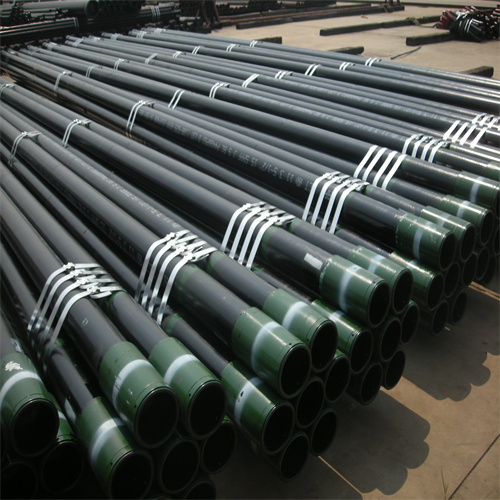
Policy Analysis of the Oil Casing Industry
The oil casing industry plays a crucial role in the extraction and transportation of Oil and Gas resources. Understanding the policies that govern this industry is essential for stakeholders to navigate the complex landscape of regulations and standards. Policy analysis of the oil casing industry involves a comprehensive examination of the rules and guidelines that shape the operations and practices within this sector.
At the heart of the oil casing industry are the regulations that ensure safety, environmental protection, and operational efficiency. These policies are designed to mitigate risks associated with drilling, casing installation, and well integrity. By adhering to these regulations, Companies can maintain a high level of operational excellence while minimizing the impact on the environment.
One key aspect of policy analysis in the oil casing industry is the evaluation of standards related to casing design and Material selection. The type of casing used in Oil Wells directly impacts the integrity of the well and the efficiency of oil extraction. Policies governing casing design aim to ensure that the materials and specifications meet industry standards and regulatory requirements.
In addition to casing design, policy analysis also encompasses regulations related to well Construction and integrity testing. Well integrity is critical for preventing leaks, blowouts, and other catastrophic events that can have severe environmental and economic consequences. By analyzing the policies that govern well construction and integrity testing, stakeholders can ensure that best practices are followed to maintain the safety and reliability of oil wells.
Furthermore, policy analysis in the oil casing industry extends to regulations concerning casing installation and Cementing procedures. Proper installation of casing and effective cementing are essential for wellbore stability, zonal isolation, and reservoir protection. Policies that govern these processes aim to minimize the risk of casing failure, gas migration, and fluid communication between different zones in the well.
Moreover, policy analysis also involves examining regulations related to well abandonment and decommissioning. Properly abandoning and decommissioning oil wells is crucial for preventing environmental contamination and ensuring the long-term integrity of the well site. By understanding the policies that govern well abandonment, stakeholders can plan and execute these activities in compliance with regulatory requirements.
 In conclusion, policy analysis of the oil casing industry is a multifaceted process that involves evaluating regulations related to casing design, well construction, casing installation, and well abandonment. By understanding and adhering to these policies, stakeholders can uphold the highest standards of safety, environmental protection, and operational efficiency in the oil and gas sector. A comprehensive understanding of industry policies is essential for promoting sustainable practices and ensuring the long-term viability of oil and gas operations.
Understanding Regulations in the Oil Casing Industry
The oil casing industry operates within a framework of regulations that are designed to ensure safety, environmental protection, and fair competition. Understanding these regulations is crucial for companies operating in this sector. One key aspect of regulation in the oil casing industry is the requirement for companies to adhere to specific standards in the design, manufacturing, and installation of oil casings. These standards are put in place to guarantee the integrity of the casings and prevent leaks or failures that could have serious consequences for the environment and human safety.
Regulatory bodies play a vital role in overseeing compliance with these standards. They conduct inspections, audits, and reviews to verify that companies are following the regulations. Non-compliance can result in fines, sanctions, or even the suspension of operations. Therefore, it is essential for companies to stay informed about the latest regulations and ensure that they are in full compliance at all times.
In addition to technical standards, regulations in the oil casing industry also cover aspects such as worker safety, waste management, and community engagement. Companies are required to implement safety protocols to protect their employees and contractors working on oil casing projects. Proper waste management practices are essential to minimize the environmental impact of drilling operations. Engaging with local communities and addressing their concerns is also a key requirement for companies operating in this industry.
Government policies and regulations can have a significant impact on the oil casing industry. Changes in regulations can affect the cost of compliance, market dynamics, and investment decisions. Companies need to closely monitor regulatory developments and adapt their strategies accordingly. Lobbying and advocacy efforts can also play a role in sh APIng regulatory policies to better reflect the needs and challenges of the industry.
International regulations and standards also play a crucial role in the oil casing industry. Companies that operate across borders must navigate a complex web of regulations from different countries and regions. Harmonizing these regulations and ensuring compliance can be a challenging task, but it is essential for companies to maintain their operations and reputation in the global market.
drill PipeIn conclusion, understanding regulations in the oil casing industry is essential for companies to operate successfully and responsibly. Compliance with technical standards, safety protocols, environmental regulations, and community engagement requirements is crucial for maintaining a social license to operate. By staying informed, proactive, and adaptive to regulatory changes, companies can navigate the complex regulatory landscape of the oil casing industry and contribute to a sustainable and responsible energy sector.