Leveraging Network Analytics in the Oil Casing Manufacturing process
Oil casing manufacturing, an essential segment in the Oil and Gas industry, is synonymous with complex and intricate processes. Emerging technological trends have seen the introduction of network analytics in streamlining these methods by providing valuable insights for more effective and efficient production interconnectivity. As we delve into the aspect of leveraging network analytics in the oil casing manufacturing process, we need to appreciate the integral role it plays in enhancing the overall production output.
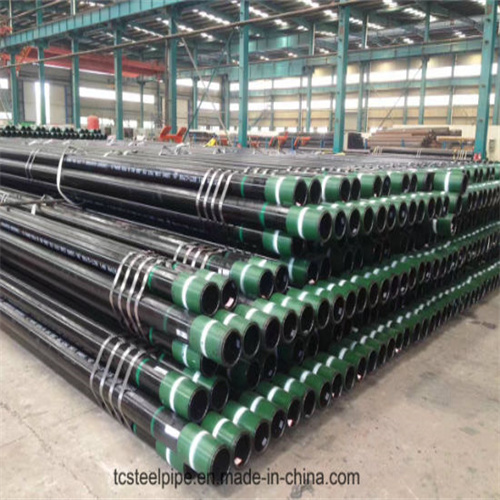
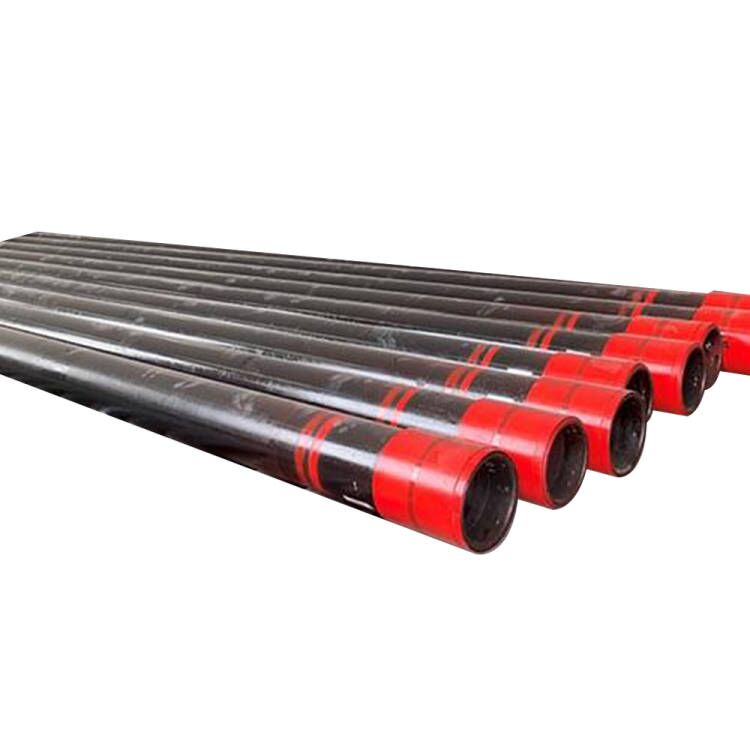
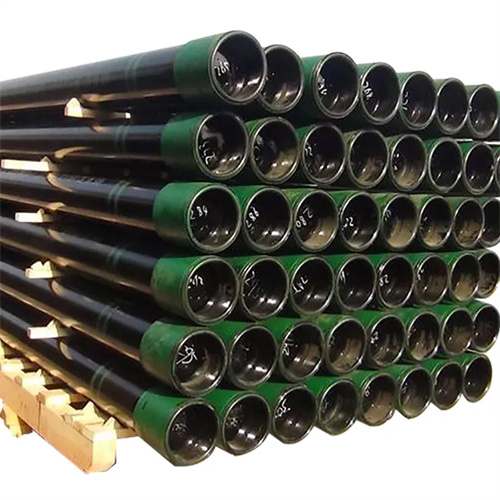
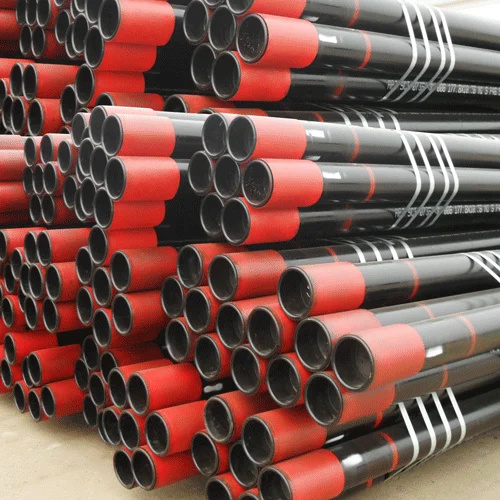
Oil casing manufacturing basically involves creating Steel cylindrical tubes that serve as structural retainers for drilled holes in drilling operations, preventing the hole from caving in. This process is typically labor-intensive and time-consuming. However, incorporating methodologies like network analytics into this process can revolutionize productivity and efficiency levels. Network analytics uses computational, mathematical, and statistical methods to measure, analyze, and visualize Connections within and between various networks within a system.
Decoding its utility in the oil casing manufacturing process, network analytics operates under two principal tenets: network structural analysis and network path analysis. Network structural analysis involves studying interactions between different elements of the manufacturing process. By doing so, it aids in recognizing the critical nodes of manufacturing that necessitate better resource allocation. Conversely, network path analysis assists in mapping the efficient flow of resources in the production process.
In line with these principles, network analytics contributes to achieving operational efficiency in oil casing manufacturing. It facilitates the identification of bottlenecks and inefficiencies within the system by analyzing information flows. This paves the way toward uncovering opportunities to align production activities to optimal performance standards. With such insights, decision-Makers can optimize energy consumption, streamline product flow, and effectively manage Material and human resources.
Moreover, network analytics is a powerful tool for risk mitigation. For example, network analytics can predict equipment failure by assessing patterns within historical operational data. This predictive capability allows for timely Maintenance or replacement of machinery, minimizing downtime and enhancing productivity. In addition, network analytics, owing to its data-driven nature, also aids in forecasting market trends, labor requirements, and cost implications, enabling better planning and decision-making.
There’s also the crucial aspect of improving supply chain efficiency. Network analytics offers remarkable insights into improving the integration and coordination of various stakeholders in the supply chain. It aids in designing optimal routes for the timely delivery of raw materials, ensuring uninterrupted production workflow.
 Therefore, the application of network analytics in the oil casing manufacturing process indeed redefines production interconnectivity. It leads to a more streamlined, agile and resilient system that maximizes productivity, reduces cost, and minimizes risk. Undoubtedly, embracing network analytics will contiNue to transform operational frameworks in the oil casing manufacturing industry, offering a better way to make informed, strategic decisions in this increasingly data-driven world. One could confidently assert that leveraging network analytics in oil casing manufacturing will become more common in coming years, given its proven advantages.
Importance of Production Interconnectivity Analysis in Oil Casing Manufacturing
Oil casing manufacturing is a complex and highly technical process that involves multiple stages of production\\u2014 including cutting, rolling, smelting, and heat treating the steel. These processes need to be carefully controlled and monitored to ensure the production of high-quality, reliable oil casings. This is where the role of production interconnectivity, facilitated by network analytics, becomes paramount.
Production interconnectivity refers to the interconnected nature of different processes within the manufacturing unit. It emphasizes the relationships and interactions between various stages, ranging from raw material procurement to the final product’s dispatch. The extent and quality of this interconnectivity can significantly influence the overall productivity, efficiency, and quality of production.
Through network analytics, Manufacturers can gain a deeper understanding of these relationships. Network analytics salvage raw data from interconnected devices and apply predictive models to anticipate performance and to present actionable input. By analyzing this data, manufacturers can make well-informed decisions about their production processes, which can lead to improved efficiency, productivity, and quality.
In oil casing manufacturing, where precision is of utmost importance, any misstep can have costly consequences. For example, a slight variance in the temperature during the heat treating can lead to defects in the casing, which can pose serious risks down the line. Therefore, understanding the interplay between different stages of production becomes crucial.
Network analytics allows manufacturers to pinpoint areas that require immediate attention or areas where improvements can bring about significant positive changes. It helps identify patterns, predict future trends, and also provides real-time monitoring, which helps in mitigating issues before they escalate into more prominent problems.
Additionally, network analytics can help optimize resource allocation by determining which processes need the most resources and where efficiencies can be gained. This can lead to cost savings and a reduction in production time, leading to increased profitability.
As manufacturing sectors, including the oil casing industry, continue to embrace digital transformation, the benefits of network analytics can be substantially tremendous. The use of advanced analytics and big data can bring about a paradigm shift in the way production processes are managed and controlled.
Moreover, by effectively leveraging network analytics, manufacturers can build a more robust and resilient supply chain. This is critical in today’s manufacturing environment, fraught with uncertainties and disruptions. A more agile and responsive supply chain can endure these disruptions and help ensure uninterrupted supply to the customers.
Essential oil carrying case BottlesIn conclusion, production interconnectivity and network analytics play a crucial role in oil casing manufacturing. By providing valuable insights into production processes, they help enhance efficiency, quality, and productivity. As the manufacturing sector evolves, the importance of production interconnectivity and network analytics will only grow more significant. Embracing these technologies is not just a choice but a necessary step towards achieving Company‘s goals and objectives. Manufacturers must incorporate network analytics in their operations to stay competitive in the ever-changing industrial landscape.