innovations in Oil Casing Technology for Sustainable Oil and Gas production
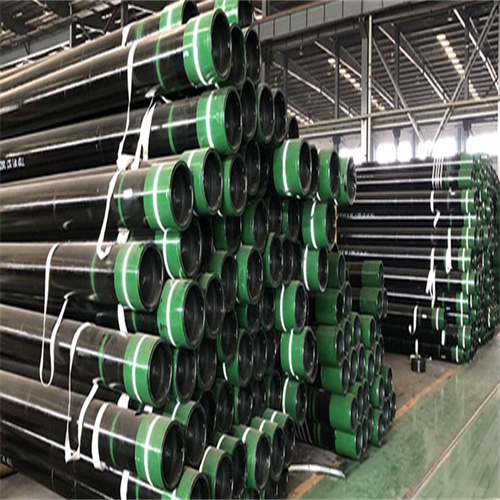
Oil casing plays a crucial role in the oil and gas industry, providing structural support and protection for the wellbore. Over the years, advancements in technology have led to the development of innovative casing Materials and designs that have improved the efficiency and sustainability of oil and gas production.
One of the key challenges in oil and gas production is ensuring the integrity of the wellbore. Casing is used to line the wellbore and prevent the collapse of the surrounding rock formations. Traditionally, Steel casing has been the material of choice due to its strength and durability. However, steel casing has its limitations, including susceptibility to corrosion and high costs.
In recent years, there has been a growing interest in alternative casing materials that offer improved performance and sustainability. Composite materials, such as fiberglass and carbon fiber, have emerged as viable alternatives to steel casing. These materials are lightWeight, corrosion-resistant, and have a longer lifespan than steel casing. Additionally, composite casing can be manufactured in a variety of shapes and sizes, allowing for greater flexibility in well design.
Another area of innovation in oil casing technology is the development of smart casing systems. These systems incorporate sensors and monitoring devices that can provide real-time data on well conditions, such as pressure, temperature, and casing integrity. By monitoring these parameters, operators can detect potential issues early and take corrective action to prevent costly downtime and environmental damage.
In addition to material and design innovations, there have been advancements in casing installation techniques that have improved the efficiency and sustainability of oil and gas production. For example, casing drilling technology allows for the simultaneous drilling and casing of a well, reducing the time and cost of drilling operations. This technique also minimizes the environmental impact of drilling by reducing the amount of drilling fluid and cuttings that are generated.
| No. | Product Name |
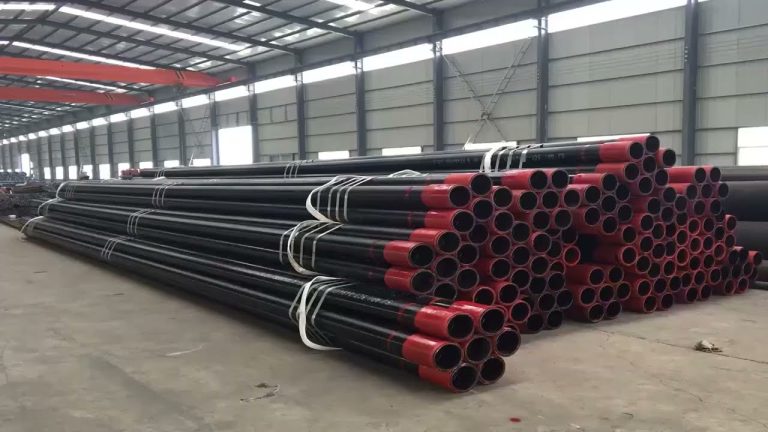
| 1 | Carbon steel casing |
As the oil and gas industry contiNues to evolve, the future of oil casing looks promising. With ongoing research and development efforts, we can expect to see further advancements in casing materials, designs, and technologies that will enhance the sustainability of oil and gas production. For example, researchers are exploring the use of nanotechnology to develop self-healing casing materials that can Repair small cracks and defects on their own.

Overall, the development of innovative oil casing technology is essential for the continued growth and sustainability of the oil and gas industry. By investing in research and development, operators can improve the efficiency, safety, and environmental performance of oil and gas production. As we look to the future, it is clear that oil casing will play a critical role in sh APIng the future of sustainable oil and gas production.
The Future of Oil Casing in Promoting Environmental Sustainability in the Oil and Gas Industry
Oil casing plays a crucial role in the oil and gas industry, providing structural support and protection for the wellbore. Over the years, advancements in technology and materials have led to the development of more durable and efficient oil casing systems. These innovations have not only improved the safety and efficiency of oil and gas production but have also contributed to environmental sustainability.
One of the key developments in oil casing technology is the use of corrosion-resistant materials such as Stainless Steel and composite materials. These materials are more resistant to the harsh conditions found in oil and gas wells, reducing the risk of casing failure and leaks. This not only improves the safety of oil and gas operations but also helps to minimize the environmental impact of spills and leaks.
In addition to Corrosion resistance, modern oil casing systems are designed to be more efficient and cost-effective. By using advanced manufacturing techniques and computer-aided design, oil casing Manufacturers can produce casing systems that are lighter, stronger, and easier to install. This not only reduces the environmental footprint of oil and gas production but also helps to lower operating costs for oil Companies.
Another important development in oil casing technology is the use of smart casing systems. These systems incorporate sensors and monitoring devices that can provide real-time data on the condition of the wellbore and casing. This allows operators to detect potential issues before they become serious problems, reducing the risk of leaks and spills. Smart casing systems also help to optimize production by providing data on well performance and reservoir conditions.
oil Pipe procurement strategies
The future of oil casing in promoting environmental sustainability lies in the continued development of innovative technologies and materials. One promising area of research is the use of biodegradable materials for oil casing. These materials are designed to break down over time, reducing the environmental impact of abandoned wells. By using biodegradable casing materials, oil companies can minimize the risk of groundwater contamination and soil pollution.
Another important trend in oil casing technology is the use of recycled materials. By using recycled steel and other materials in the manufacturing of oil casing, companies can reduce their carbon footprint and conserve natural resources. This not only benefits the environment but also helps to create a more sustainable supply chain for the oil and gas industry.
In conclusion, oil casing plays a vital role in the oil and gas industry, providing structural support and protection for wellbores. The development of corrosion-resistant materials, smart casing systems, and sustainable materials is helping to improve the safety, efficiency, and environmental sustainability of oil and gas production. By continuing to invest in research and development, oil companies can further enhance the sustainability of their operations and reduce their impact on the environment. The future of oil casing looks bright, with new technologies and materials paving the way for a more sustainable oil and gas industry.