Evolution of Oil Casing Technology in Onshore Oil and Gas Exploration
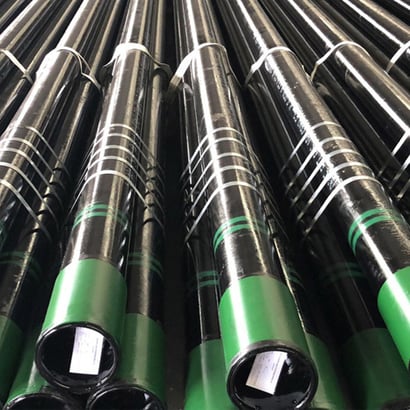
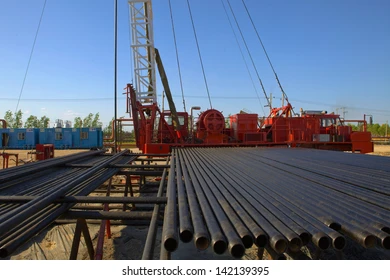
Oil casing plays a crucial role in onshore oil and gas exploration activities, providing structural support and protection to the wellbore. Over the years, the development of oil casing technology has undergone significant advancements to meet the evolving needs of the industry.
The evolution of oil casing technology can be traced back to the early days of onshore drilling when simple Steel Pipes were used to line the wellbore. These early casings lacked the sophistication and durability required for the challenging conditions encountered during drilling operations. As drilling techniques advanced and wells were drilled deeper, the need for more robust casing Materials became apparent.
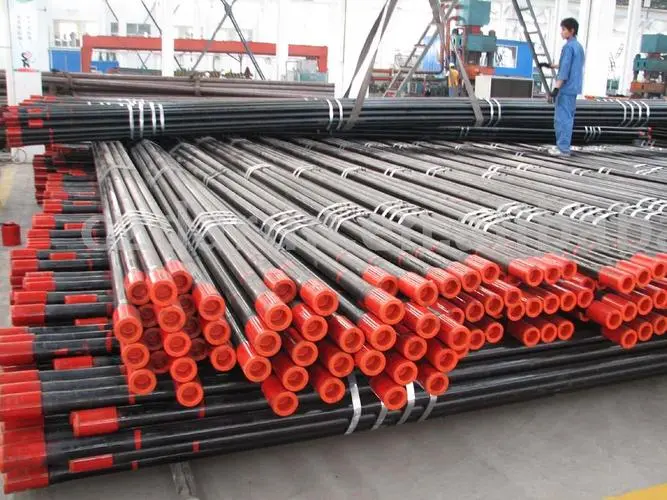
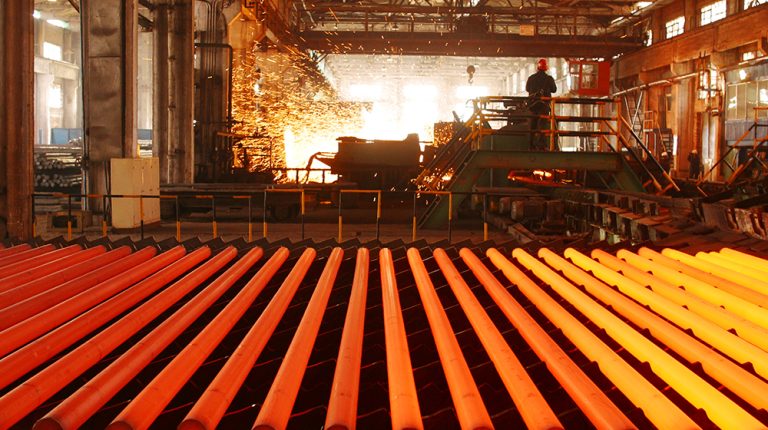
The introduction of seamless casing marked a significant milestone in the evolution of oil casing technology. Seamless casings offered improved strength and integrity, making them better suited for withstanding high-pressure environments and corrosive fluids encountered in oil and gas reservoirs. This innovation revolutionized the industry by enhancing wellbore stability and reducing the risk of casing failure.
In addition to improved materials, the design of oil casings has also evolved to enhance their performance and reliability. Innovations such as premium Connections, Centralizers, and casing accessories have been developed to optimize casing installation and ensure well integrity. These advancements have not only improved drilling efficiency but also minimized environmental risks associated with wellbore integrity failures.
Furthermore, the use of advanced technologies such as casing while drilling (CWD) and expandable casing systems has further transformed the way oil casings are deployed in onshore drilling operations. CWD allows for simultaneous casing and drilling, reducing the time and cost involved in conventional casing operations. Expandable casing systems enable operators to expand the casing Diameter downhole, providing a cost-effective solution for casing irregular wellbores.
Looking ahead, the future of oil casing in onshore oil and gas exploration activities is poised for contiNued innovation and development. With the industry’s focus shifting towards maximizing production efficiency and minimizing environmental impact, oil casing technology is expected to evolve further to meet these demands. Advanced materials, smart casing technologies, and digitalization are likely to shape the next phase of oil casing development, enabling operators to optimize well performance and ensure sustainable operations.
In conclusion, the evolution of oil casing technology in onshore oil and gas exploration has been driven by the industry’s quest for efficiency, reliability, and environmental stewardship. As technology continues to advance, oil casings will play a pivotal role in sh APIng the future of onshore drilling operations, ensuring safe and sustainable extraction of hydrocarbon resources.
Future Trends in Oil Casing Development for Onshore Oil and Gas Exploration
Oil casing plays a crucial role in onshore oil and gas exploration activities, providing structural support and protection to the wellbore. Over the years, the development of oil casing has followed a path of continuous improvement and innovation to meet the evolving needs of the industry.
Initially, oil casing was primarily made of wood, which was later replaced by wrought iron due to its durability and strength. The introduction of steel casing revolutionized the industry, offering enhanced Corrosion resistance and better performance in challenging environments. As technology advanced, Manufacturers began producing casing with higher tensile strength and improved resistance to pressure and temperature extremes.
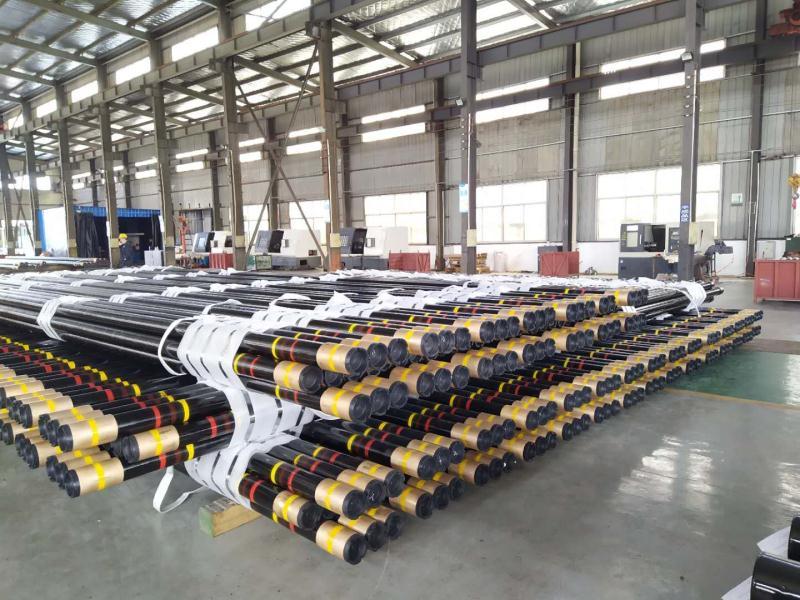 In recent years, the focus has shifted towards developing casing materials that can withstand harsh operating conditions while also being environmentally friendly. Composite materials have emerged as a promising alternative to traditional steel casing, offering benefits such as reduced Weight, improved corrosion resistance, and enhanced thermal insulation properties. These materials are also recyclable, aligning with the industry’s growing emphasis on sustainability.
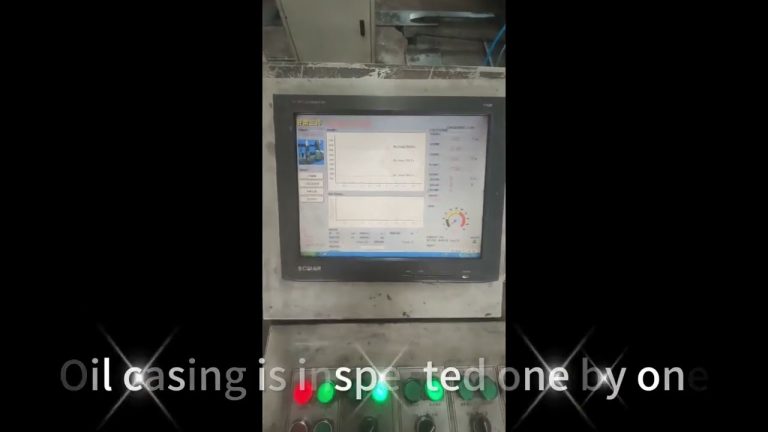
Advancements in manufacturing processes have further contributed to the evolution of oil casing. Precision machining techniques allow for the production of casing with tighter tolerances, ensuring a secure fit and optimal well integrity. Automated inspection systems have improved quality control, detecting defects early on and enhancing overall reliability.
The future of oil casing in onshore oil and gas exploration is poised for significant developments. Nanotechnology holds promise for creating casing materials with superior mechanical properties at the molecular level, enhancing strength and durability. Smart casing equipped with sensors and communication capabilities will enable real-time monitoring of well conditions, improving operational efficiency and safety.
https://youtube.com/watch?v=t4JR3TPOt7g
Integration of digital technologies such as artificial intelligence and machine learning will revolutionize casing design and performance optimization. Predictive analytics can help anticipate potential failures and optimize casing design for specific well conditions, reducing downtime and Maintenance costs. Virtual reality simulations will allow engineers to visualize casing installations in real-time, facilitating better decision-making and risk mitigation.
PETROLEUM Casing Pipe Best chinese Maker
In conclusion, the evolution of oil casing in onshore oil and gas exploration has been marked by a continuous quest for innovation and improvement. The future trends point towards a convergence of advanced materials, manufacturing techniques, and digital technologies to enhance casing performance, durability, and sustainability. As the industry embraces these developments, oil casing will continue to play a vital role in ensuring the success and safety of onshore exploration activities.