Future Trends and Outlooks in Oil Casing for Oil and Gas Exploitation Projects
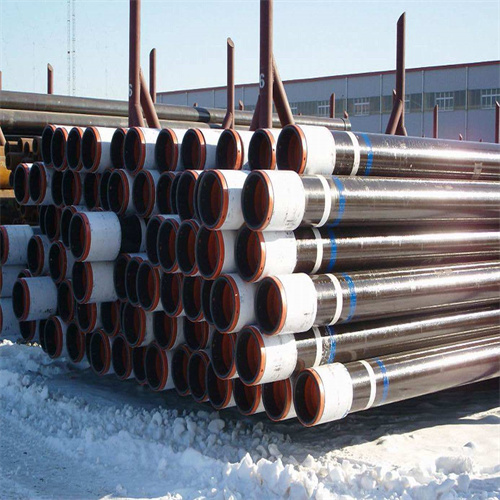
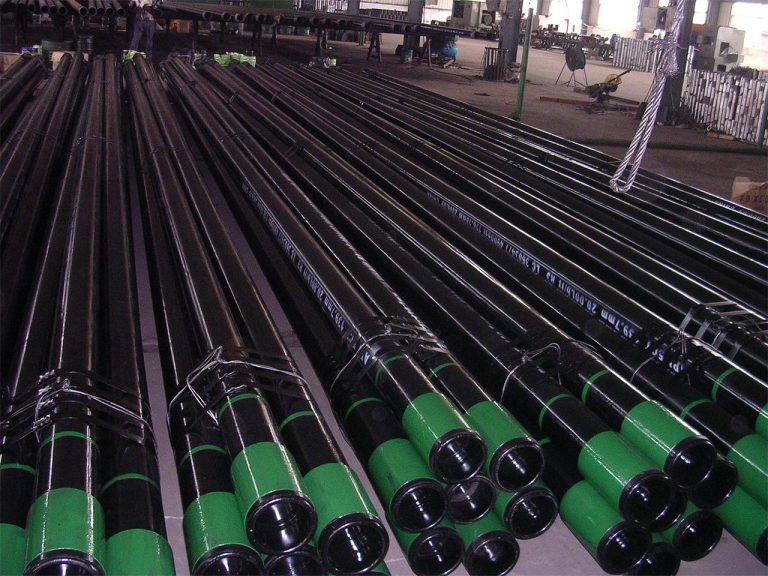
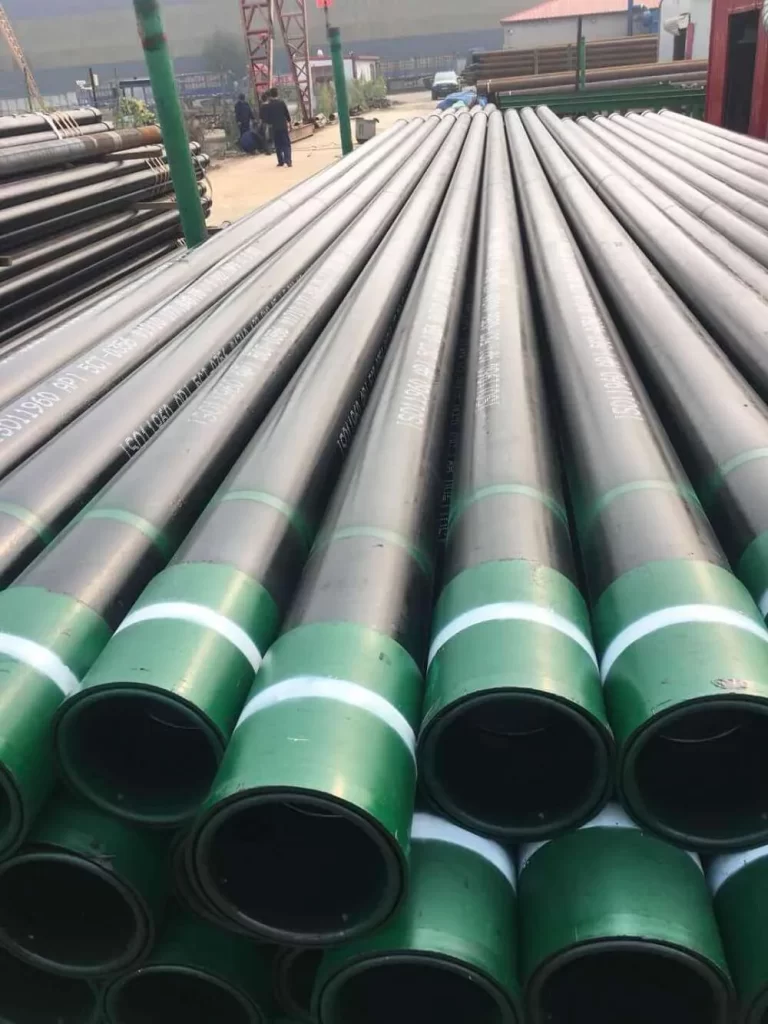
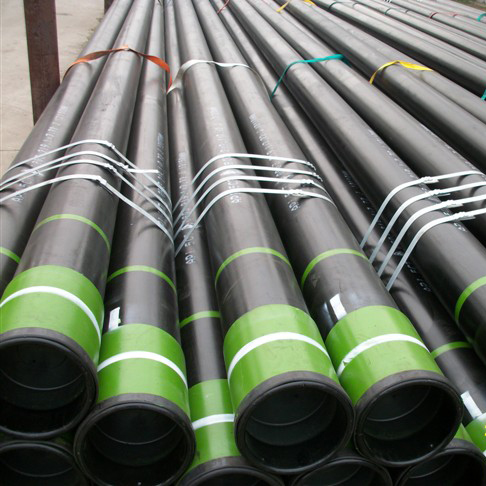
Oil casing plays a crucial role in oil and gas exploitation projects, providing structural support and protection for the wellbore. As technology advances and the demands of the industry evolve, the future trends and outlooks for oil casing are subject to continuous change.
Jewellery BoxOne of the key trends sh APIng the future of oil casing is the development of advanced Materials. Engineers and researchers are constantly exploring new alloys and composites that offer improved strength, Corrosion resistance, and thermal stability. These materials not only enhance the performance of oil casing in harsh environments but also extend the lifespan of wells, reducing Maintenance costs and downtime.
In addition to material advancements, the design and manufacturing processes of oil casing are also undergoing significant transformations. innovations such as 3D printing and automated manufacturing are revolutionizing the production of casing components, allowing for greater customization, precision, and efficiency. These advancements not only streamline the manufacturing process but also enable the creation of complex geometries that optimize well performance.
Furthermore, the integration of smart technologies is poised to revolutionize the monitoring and maintenance of oil casing systems. Sensors embedded in the casing can provide real-time data on temperature, pressure, and integrity, allowing operators to detect potential issues early and implement preventive measures. This proactive approach not only enhances safety and reliability but also minimizes the risk of costly failures.
Another trend that is gaining traction in the oil and gas industry is the adoption of eco-friendly practices in casing design and operation. Companies are increasingly focusing on sustainability and environmental responsibility, driving the development of casing materials that are recyclable, biodegradable, or sourced from renewable resources. By reducing the environmental impact of casing operations, companies can improve their public image and meet regulatory requirements.
Moreover, the future of oil casing is closely intertwined with the broader trends in the energy sector, such as the shift towards renewable energy sources and the increasing emphasis on carbon neutrality. As the industry navigates these transitions, the role of oil casing in enabling efficient and sustainable oil and gas production will contiNue to evolve.
 In conclusion, the future trends and outlooks for oil casing in oil and gas exploitation projects are characterized by innovation, sustainability, and adaptability. By embracing advanced materials, smart technologies, and eco-friendly practices, the industry is poised to enhance the performance, reliability, and environmental impact of oil casing systems. As the energy landscape evolves, oil casing will play a pivotal role in shaping the future of oil and gas exploration and production.