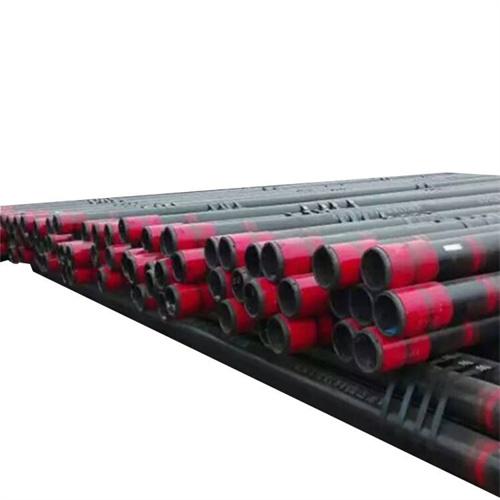
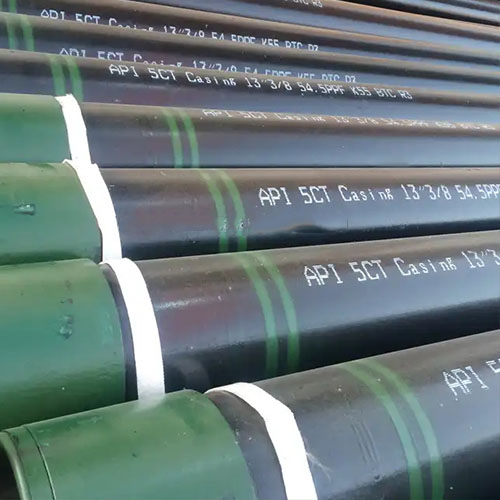
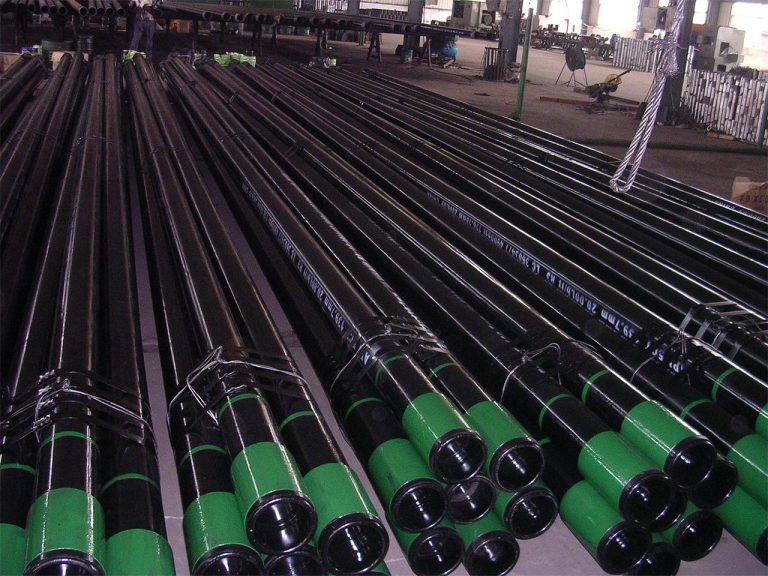
Understanding API 5ct grades K55, l80, N80, and Q125
API 5CT is a standard set by the American Petroleum Institute that specifies the technical delivery conditions for Steel Pipes used in the Oil and Gas industry. Within this standard, different grades of steel are designated to meet specific requirements for different applications. Four common grades within API 5CT are K55, L80, N80, and Q125, each with its own unique properties and characteristics.
Starting with K55, this grade is known for its relatively low yield strength compared to other grades like L80 and Q125. K55 is often used in Casing and Tubing applications where mild tensile strength is sufficient. It is suitable for shallow to medium-depth wells that do not require high resistance to corrosion or cracking.
Moving on to L80, this grade offers higher tensile strength and better resistance to corrosion than K55. L80 is commonly used in deeper wells where more demanding conditions are present. Its enhanced mechanical properties make it a preferred choice for casing and tubing in challenging environments.
Best china CompanyNext, N80 is another widely used grade in API 5CT. It falls between K55 and L80 in terms of strength and performance. N80 is known for its excellent combination of strength and toughness, making it suitable for a wide range of applications, including casing, Tubing, and production tubing.
Lastly, Q125 is the highest strength grade among the four mentioned. Q125 is designed for extreme conditions such as high-pressure environments and deep wells. It offers superior mechanical properties, including high yield strength and excellent resistance to harsh operating conditions, making it ideal for critical applications that demand top performance.
In summary, understanding the Differences between API 5CT grades K55, L80, N80, and Q125 is crucial for selecting the right steel pipe for specific oil and gas operations. Factors such as depth of the well, pressure levels, and environmental conditions play a significant role in determining the most suitable grade to ensure optimal performance and reliability. By considering the unique properties of each grade, engineers and operators can make informed decisions when choosing the appropriate steel pipe for their applications.