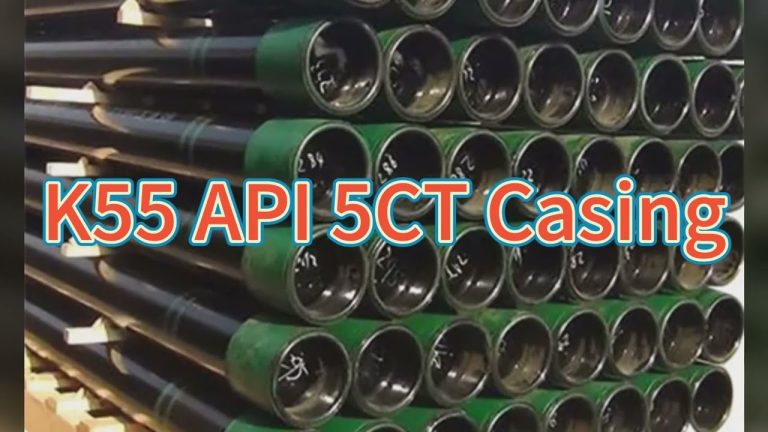
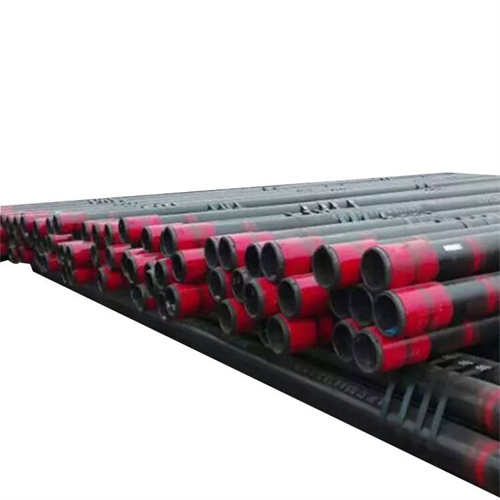
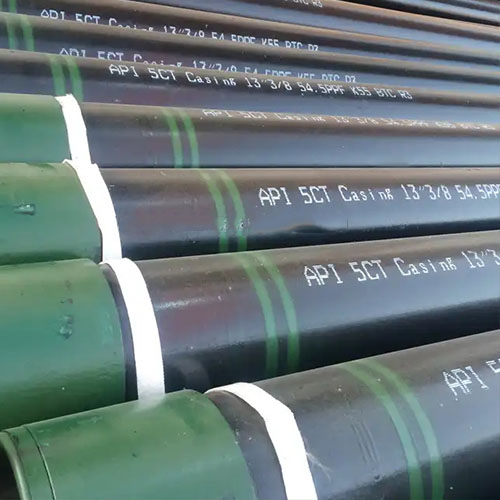
Overview of Primary Attributes in Oil Casing Materials
In the Oil and Gas industry, the selection of appropriate casing materials is critical to ensuring the integrity and safety of drilling operations. Casing serves as a protective barrier that stabilizes the wellbore, prevents the migration of fluids between different geological formations, and safeguards the surrounding environment. The primary attributes of oil casing materials encompass a range of mechanical, chemical, and physical properties that must be carefully considered during the selection process. These attributes include strength, Corrosion resistance, ductility, and thermal stability, all of which play a vital role in the performance of casing under various downhole conditions.
Strength is perhaps the most crucial attribute of oil casing materials, as it determines the ability of the casing to withstand the immense pressures encountered during drilling and production. The material must possess sufficient tensile and compressive strength to endure the mechanical stresses imposed by the Weight of the overlying rock and the pressure of the fluids within the well. Common materials used for casing include Carbon Steel and various alloys, each offering different strength characteristics. The selection of a specific material often depends on the anticipated pressure and temperature conditions of the well, as well as the depth of the drilling operation.
Corrosion resistance is another essential attribute that must be taken into account when selecting casing materials. The presence of corrosive fluids, such as hydrogen sulfide or carbon dioxide, can significantly degrade the integrity of the casing over time. Therefore, materials that exhibit high resistance to corrosion, such as Stainless Steel or specialized alloys, are often preferred in environments where such corrosive agents are present. Additionally, the use of protective coatings and cathodic protection systems can further enhance the longevity of casing materials by mitigating the effects of corrosion.
china Casing Pipe Construction Manufacturer
Ductility, or the ability of a material to deform under stress without fracturing, is also a critical consideration in the selection of oil casing materials. Ductile materials can absorb energy and deform plastically, which is particularly important in dynamic environments where the casing may be subjected to unexpected loads or movements. This attribute helps prevent catastrophic failures that could result from brittle fracture, making it essential for casing materials to possess adequate ductility to ensure safe and reliable operation.
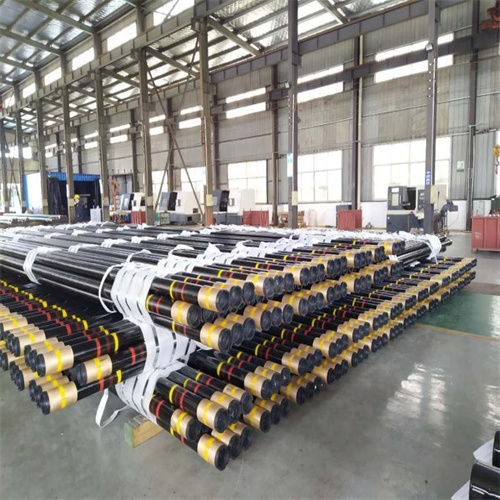 Thermal stability is another important factor that influences the selection of casing materials. As drilling operations progress, the temperature within the well can rise significantly, affecting the mechanical properties of the casing. Materials that maintain their strength and integrity at elevated temperatures are essential for ensuring the long-term performance of the casing. This is particularly relevant in geothermal wells or in regions where high-temperature formations are encountered.
In conclusion, the selection of oil casing materials is a complex process that requires careful consideration of various primary attributes, including strength, corrosion resistance, ductility, and thermal stability. Each of these attributes plays a vital role in ensuring the safety and effectiveness of drilling operations. By understanding the specific conditions and challenges associated with a given well, engineers and operators can make informed decisions regarding the most suitable casing materials. This, in turn, contributes to the overall success of oil and gas extraction efforts, minimizing risks and enhancing operational efficiency. As the industry contiNues to evolve, ongoing research and development in material science will likely yield new innovations that further improve the performance and reliability of oil casing materials, ultimately benefiting the entire sector.