Primary Characteristics of Oil Casing Materials:
Oil casing materials play a crucial role in the Oil and Gas industry, providing structural support and protection for wellbore walls during drilling and production operations. The selection of the right casing material is essential to ensure the integrity and longevity of the well. In this article, we will delve into the primary characteristics of oil casing materials and discuss key factors to consider when choosing the most suitable material for a specific well application.
One of the fundamental characteristics of oil casing materials is their mechanical strength. Casing materials must possess high tensile strength to withstand the external pressure exerted by the surrounding rock formations and the internal pressure of the fluids being extracted. Additionally, casing materials should exhibit good resistance to corrosion, abrasion, and other forms of degradation that can occur in the harsh downhole environment.
Another important consideration is the material’s ability to maintain its structural integrity at high temperatures. Oil Wells often operate at elevated temperatures, especially in deep reservoirs where geothermal gradients are significant. Therefore, casing materials must be able to withstand these high temperatures without undergoing deformation or losing their mechanical properties.
Furthermore, the resistance of casing materials to corrosive substances present in the well fluids is critical for ensuring the long-term performance of the casing. Corrosion can lead to material degradation, loss of integrity, and ultimately, well failure. Therefore, selecting materials with high Corrosion resistance is essential for the longevity of the well.
In addition to mechanical and chemical properties, the manufacturability and weldability of casing materials are also important factors to consider. The ease of fabrication and welding can impact the overall cost and efficiency of casing installation. Materials that are easy to machine, weld, and form into the required shapes can help streamline the manufacturing process and reduce installation time and costs.
When selecting oil casing materials, engineers must also take into account the compatibility of the material with other components in the well completion system. Compatibility issues can arise when different materials come into contact with each other, leading to galvanic corrosion or other forms of material degradation. Therefore, it is crucial to choose materials that are compatible with other components in the well to ensure the overall integrity of the system.
Moreover, the availability and cost of the casing materials should be considered during the selection process. Some materials may be more expensive or harder to source than others, which can impact the overall economics of the well Construction project. Balancing the performance requirements with cost considerations is essential to optimize the overall value of the well.

In conclusion, the primary characteristics of oil casing materials, including mechanical strength, corrosion resistance, high-temperature stability, manufacturability, and compatibility, play a vital role in ensuring the integrity and longevity of oil and gas wells. By carefully evaluating these characteristics and selecting the most suitable material for each well application, engineers can enhance the performance and reliability of oil and gas production operations.
– Strength and Durability
Oil casing materials play a crucial role in the oil and gas industry, providing structural support and protection for wells during drilling and production operations. When it comes to selecting the right casing material, several primary characteristics need to be considered, with strength and durability being of utmost importance.
Strength is a key factor in determining the performance and longevity of oil casing materials. The casing must be able to withstand the immense pressure and stress exerted by the surrounding geological formations, as well as the corrosive effects of the fluids being extracted. High-strength materials such as Carbon Steel, alloy steel, and Stainless Steel are commonly used for this purpose, as they offer excellent mechanical properties and resistance to deformation.
Durability is another critical aspect to consider when choosing oil casing materials. The harsh operating conditions in oil and gas wells, including high temperatures, corrosive environments, and abrasive fluids, can significantly impact the lifespan of the casing. Therefore, selecting materials with high durability and corrosion resistance is essential to ensure the integrity of the well over its operational lifetime.
Carbon steel is a popular choice for oil casing materials due to its High strength, affordability, and ease of manufacturing. However, it is susceptible to corrosion in the presence of acidic or saline fluids, which can compromise its structural integrity. To enhance the durability of carbon steel casings, various surface treatments such as galvanizing or epoxy coatings are often applied to provide an additional layer of protection.
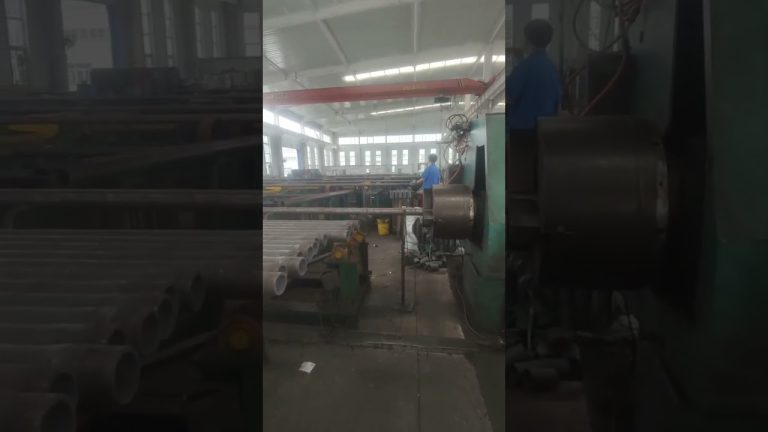
https://youtube.com/watch?v=mlDSyUP5RK0Alloy steel is another commonly used material for oil casing applications, offering superior strength and corrosion resistance compared to carbon steel. By alloying with elements such as chromium, molybdenum, or nickel, alloy steels can be tailored to withstand specific operating conditions, making them ideal for challenging environments where corrosion is a concern.
Stainless steel is renowned for its exceptional corrosion resistance and durability, making it a preferred choice for high-pressure and high-temperature wells. With its superior mechanical properties and resistance to pitting and crevice corrosion, stainless steel casings provide long-term reliability and performance in demanding oil and gas operations.
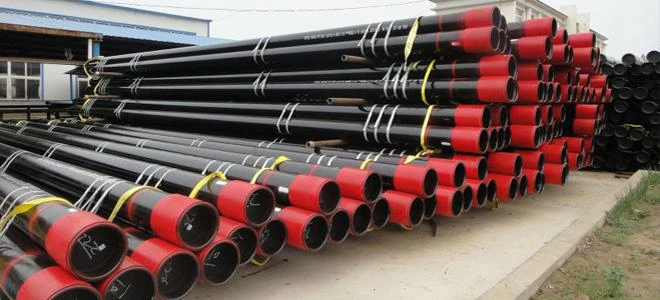
API 5ct R95 CASING chinese Best CompanyIn addition to strength and durability, other factors such as cost, availability, and manufacturability also play a significant role in the selection of oil casing materials. Balancing these considerations is essential to ensure that the cHosen material meets the performance requirements of the well while remaining cost-effective and practical for deployment.
Overall, the primary characteristics of strength and durability are paramount when selecting oil casing materials for well construction. By choosing materials that offer the necessary mechanical properties, corrosion resistance, and longevity, operators can ensure the integrity and reliability of their wells throughout their operational lifespan. Careful consideration of these factors, along with proper material testing and quality control measures, is essential to the successful design and implementation of oil casing systems in the oil and gas industry.