Key Qualities to Consider When Selecting Oil Casing Materials
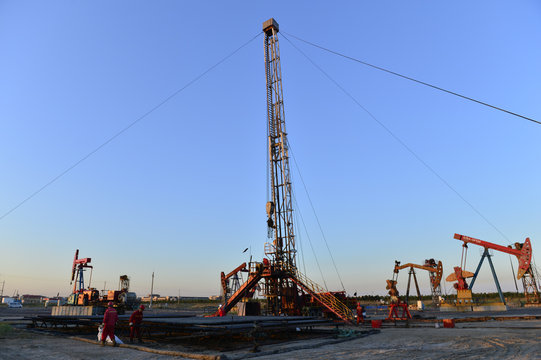
Oil casing materials play a crucial role in the Oil and Gas industry, as they provide structural support and protection for the wellbore. When selecting the right oil casing material, several key qualities must be considered to ensure optimal performance and longevity in the harsh conditions of oil drilling operations.
One of the primary qualities to consider when choosing oil casing materials is Corrosion resistance. Oil Wells are exposed to corrosive elements such as hydrogen sulfide and carbon dioxide, which can deteriorate the casing over time. Selecting materials with high corrosion resistance, such as Stainless Steel or corrosion-resistant alloys, can help prevent premature failure and ensure the integrity of the well.
Another important quality to evaluate is the mechanical strength of the casing material. Oil casing is subjected to high pressures, loads, and temperature variations during drilling and production processes. Therefore, it is essential to choose materials with adequate strength to withstand these conditions without deformation or failure. High-strength steel alloys are commonly used for oil casing due to their excellent mechanical properties.

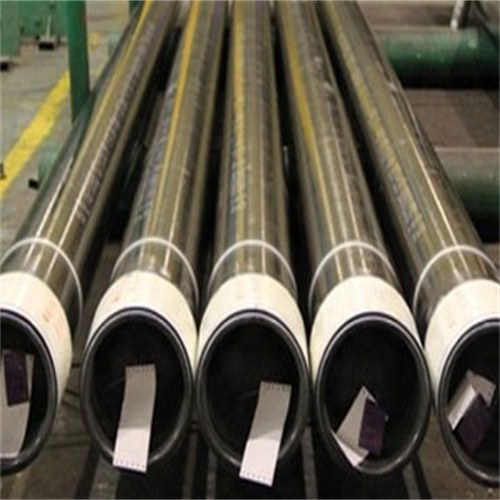
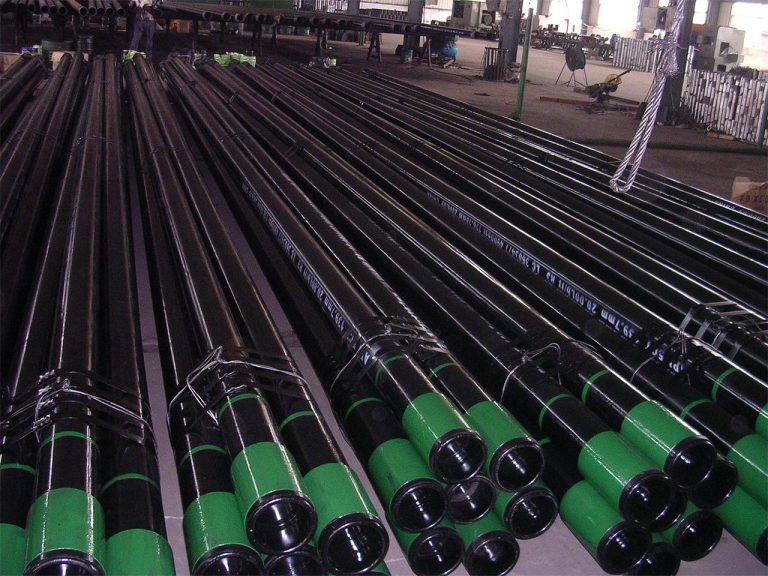
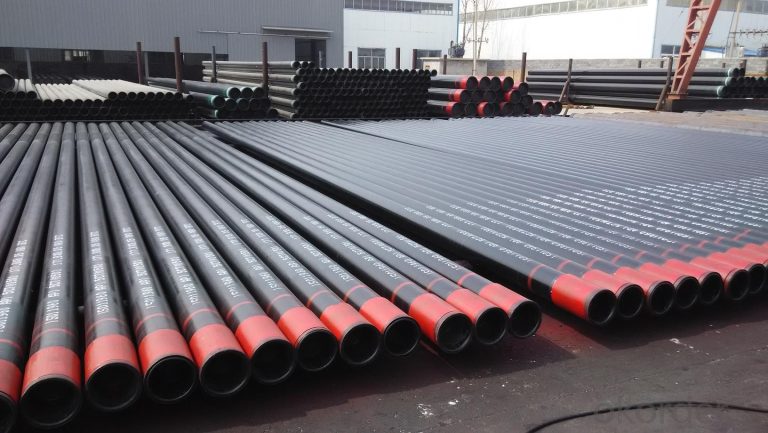
Oil Tube for saleIn addition to corrosion resistance and mechanical strength, the thermal stability of the casing material is also a critical factor to consider. Oil wells experience significant temperature variations, especially in deep drilling operations. The selected casing material should be able to maintain its structural integrity and performance under high temperatures to ensure the safety and efficiency of the well.
Furthermore, the compatibility of the casing material with other components in the wellbore, such as cement and completion equipment, should be taken into account. Incompatible materials can lead to issues such as casing failure, leaks, and wellbore instability. It is essential to select materials that are compatible with the surrounding environment and other downhole equipment to ensure seamless integration and optimal performance.
Moreover, the cost-effectiveness of the oil casing material is an important consideration for operators. While high-performance materials may offer superior qualities, they often come at a higher cost. Balancing the initial investment with the long-term benefits and performance of the material is crucial in selecting the most cost-effective option for the specific drilling operation.
In conclusion, the selection of oil casing materials is a critical decision that can significantly impact the success and efficiency of oil drilling operations. By considering key qualities such as corrosion resistance, mechanical strength, thermal stability, compatibility, and cost-effectiveness, operators can choose the most suitable material for their specific wellbore conditions. Investing in high-quality casing materials not only ensures the integrity and longevity of the well but also contributes to the overall safety and productivity of the oil and gas industry.