Resolute Strategies to Prevent Oil Casing Leakage
In the realm of oil drilling and extraction, the integrity of casing systems is paramount. Any leakage in these structures not only poses significant environmental risks but also jeopardizes operational efficiency and safety standards. Addressing this challenge requires a resolute commitment to employing advanced technologies and rigorous preventive measures.
Oil casing serves a crucial role in the extraction process, providing structural support and maintaining wellbore integrity. The consequences of casing leakage can be severe, ranging from groundwater contamination to costly remediation efforts. To mitigate these risks, industry leaders are increasingly turning to innovative solutions that enhance the reliability and durability of casing systems.
One such advancement involves the application of high-performance Materials specifically designed to withstand the harsh conditions encountered during oil extraction. These materials undergo rigorous testing to ensure they can withstand corrosion, pressure differentials, and mechanical stresses over extended periods. By utilizing these materials, operators can significantly reduce the likelihood of casing failure and subsequent leakage.
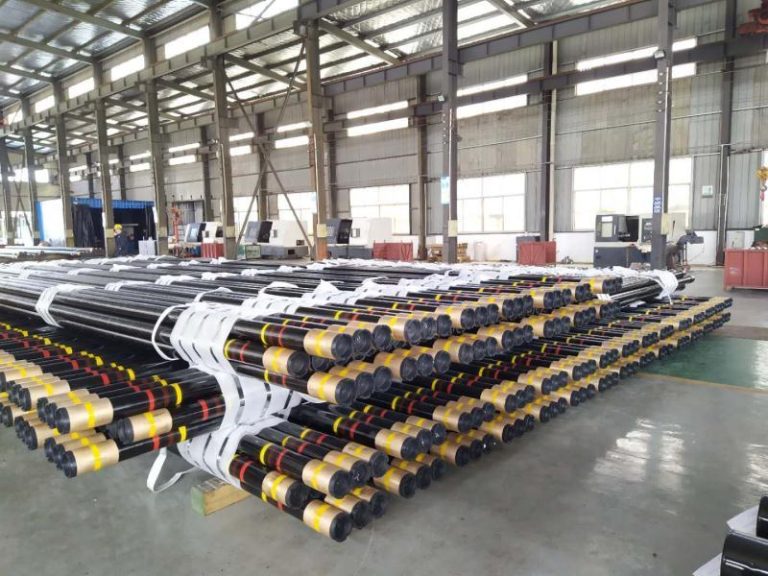
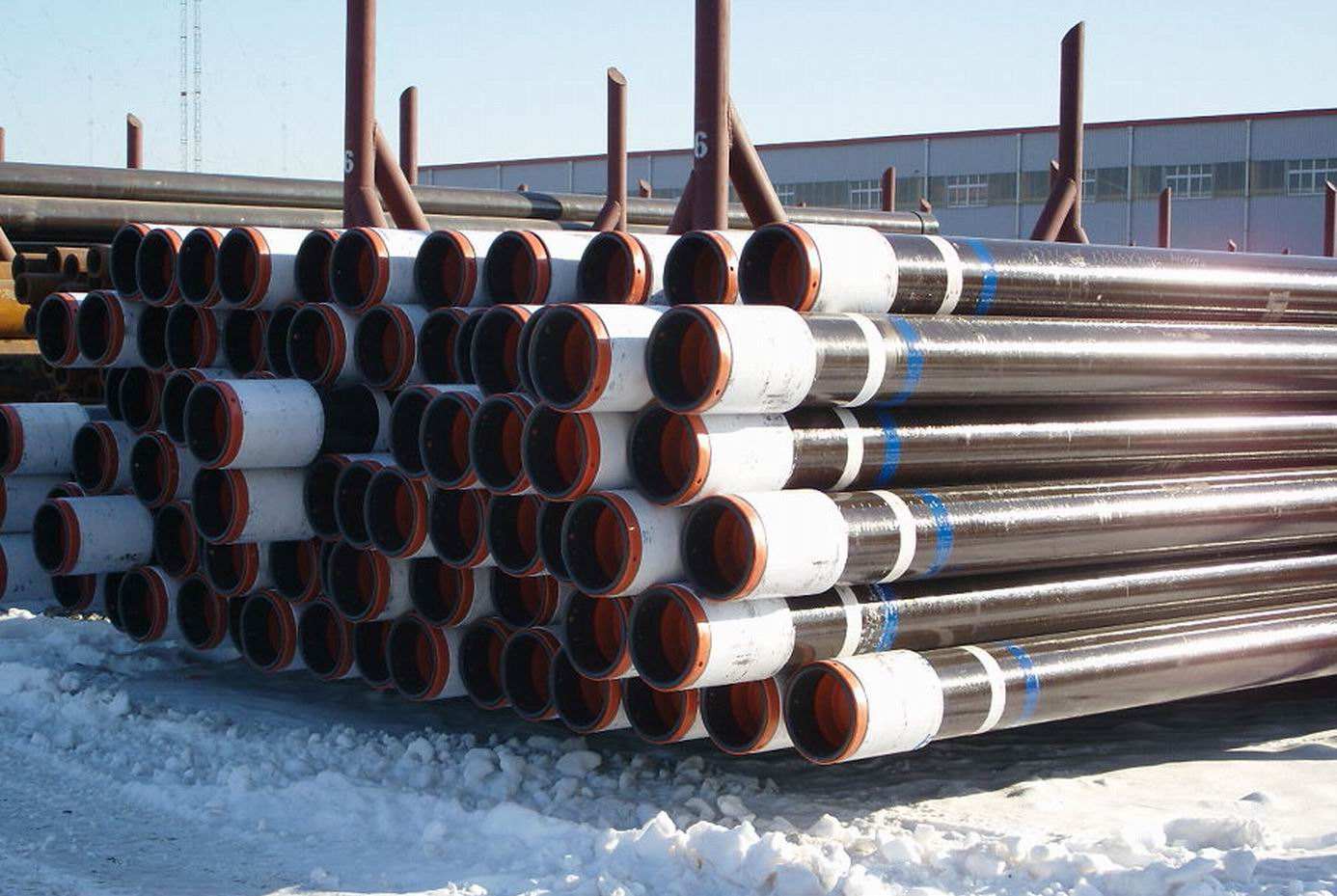
API 5ct T95 CASING Supplier
Furthermore, the installation and Maintenance of casing systems are critical stages where meticulous attention to detail is paramount. Proper casing design, including selecting the appropriate Diameter and thickness, is essential to ensure structural integrity throughout the lifespan of the well. Regular inspections and integrity testing further bolster these efforts, allowing operators to detect potential issues early and take corrective actions promptly.
In addition to material advancements and design considerations, the implementation of robust Cementing practices plays a pivotal role in preventing casing leakage. Cement serves as a primary barrier between the casing and the geological formations, Sealing off potential pathways for fluid migration. Modern cementing techniques involve precise placement and composition control, supported by advanced monitoring technologies to verify the integrity of the cement sheath.
Moreover, the industry is increasingly embracing digitalization and real-time monitoring systems to enhance operational transparency and responsiveness. These technologies enable continuous monitoring of casing conditions, pressure variations, and other critical parameters. By leveraging data analytics and predictive modeling, operators can proactively identify potential vulnerabilities and implement preventive measures before they escalate into larger issues.
Collaboration among industry stakeholders, including operators, service providers, and regulatory bodies, is also essential in establishing and enforcing stringent standards for casing integrity. Regular audits and compliance checks ensure adherence to best practices and regulatory requirements, fostering a culture of accountability and continuous improvement.
Ultimately, the resolute commitment to preventing casing leakage demands a multifaceted approach that integrates technological innovation, rigorous standards, and proactive maintenance practices. As the industry contiNues to evolve, so too must our strategies for safeguarding the integrity of oil casing systems. By embracing these principles and advancing our collective understanding, we can mitigate risks, enhance operational efficiency, and uphold our commitment to environmental stewardship.
 In conclusion, the quest to end casing leakage requires unwavering dedication and a holistic approach encompassing materials science, engineering precision, advanced monitoring technologies, and regulatory diligence. By adhering to these principles, the industry can mitigate risks, protect natural resources, and ensure sustainable energy production for future generations.