Shifts in Oil Casing technical Resilience and Robustness Building: Outcomes and Countermeasures
The Oil and Gas industry has always been at the forefront of technological advancements, constantly evolving to meet the challenges posed by harsh operating environments. In recent years, there has been a noticeable shift in focus towards enhancing the technical resilience and robustness of oil casing systems. This shift has been driven by a combination of factors, including the increasing complexity of drilling operations, the need to operate in more extreme conditions, and the growing importance of ensuring the integrity and longevity of wellbore structures.
 One of the key outcomes of this shift towards greater technical resilience and robustness in oil casing systems has been the development of innovative Materials and manufacturing techniques. Engineers and researchers have been exploring new alloys and composite materials that offer improved strength, Corrosion resistance, and fatigue performance. These advanced materials not only enhance the structural integrity of oil casing systems but also contribute to longer service life and reduced Maintenance requirements.
In addition to advancements in materials, there has been a growing emphasis on the design and Construction of oil casing systems to improve their overall robustness. Engineers are now paying closer attention to factors such as casing Wall thickness, joint Connections, and centralization techniques to ensure that the casing can withstand the stresses and pressures encountered during drilling and production operations. By optimizing these design parameters, operators can minimize the risk of casing failure and costly downtime.
https://youtube.com/watch?v=mlDSyUP5RK0Another important outcome of the focus on technical resilience and robustness in oil casing systems is the increased adoption of advanced monitoring and inspection technologies. Real-time monitoring systems, such as distributed fiber optic sensors and acoustic emission detectors, allow operators to continuously assess the condition of the casing and detect any signs of degradation or damage. This proactive approach to maintenance and integrity management helps prevent catastrophic failures and ensures the safe and efficient operation of oil and gas wells.
Despite these advancements, challenges remain in building truly resilient and robust oil casing systems. One of the primary challenges is the need to balance the trade-offs between cost, performance, and reliability. While advanced materials and technologies offer significant benefits in terms of durability and longevity, they often come at a higher Price point. Operators must carefully evaluate the lifecycle costs and benefits of different technical solutions to make informed decisions that align with their operational objectives.
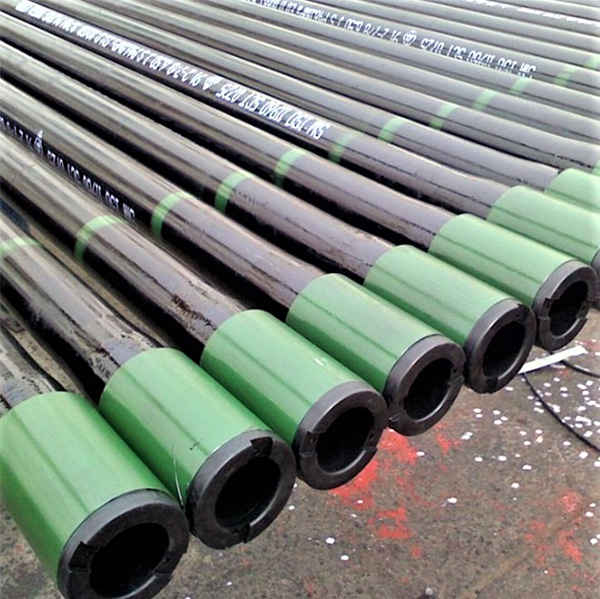
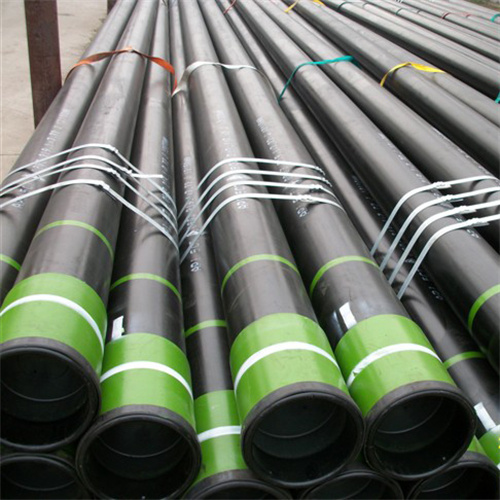
API 5ct K55 CASING Exporter
To address these challenges and further enhance the resilience and robustness of oil casing systems, industry stakeholders are exploring a range of countermeasures. These include improved risk assessment methodologies, enhanced training programs for personnel, and the development of standardized best practices for casing design, installation, and maintenance. By adopting a holistic approach that combines technical innovation with operational excellence, the oil and gas industry can contiNue to push the boundaries of what is possible in terms of wellbore integrity and reliability.
In conclusion, the shifts towards greater technical resilience and robustness in oil casing systems represent a significant evolution in the oil and gas industry. By leveraging advanced materials, design principles, and monitoring technologies, operators can enhance the performance, safety, and longevity of their wellbore structures. However, addressing the remaining challenges and implementing effective countermeasures will be crucial in realizing the full potential of these advancements and ensuring the sustainable development of oil and gas resources for years to come.