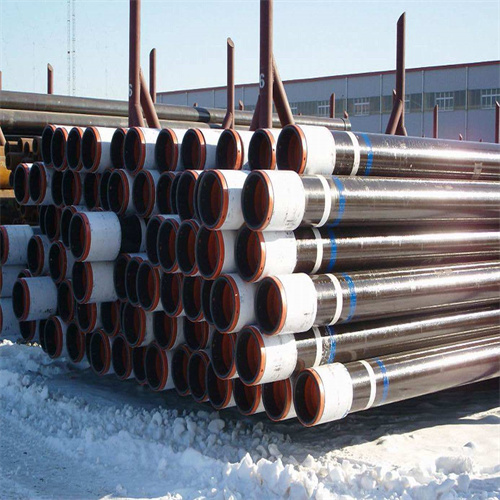
Overcoming Traditional Challenges with New high-Strength Oil Casing Technology
In the realm of oil extraction, the journey from reservoir to refinery is fraught with challenges that demand continual innovation. A pivotal advancement in this arena comes in the form of new high-strength oil casing technology, designed to surmount traditional difficulties and elevate operational efficiency.
Oil casing, a critical component in drilling operations, serves as the protective barrier between the wellbore and the surrounding geological formations. Historically, this has been a demanding role, requiring Materials that can withstand extreme pressures, temperatures, and corrosive environments. The conventional casings, while effective, often faced limitations in terms of durability and performance under increasingly rigorous conditions.
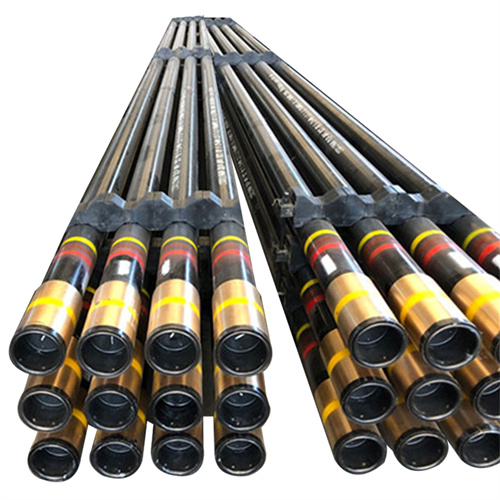
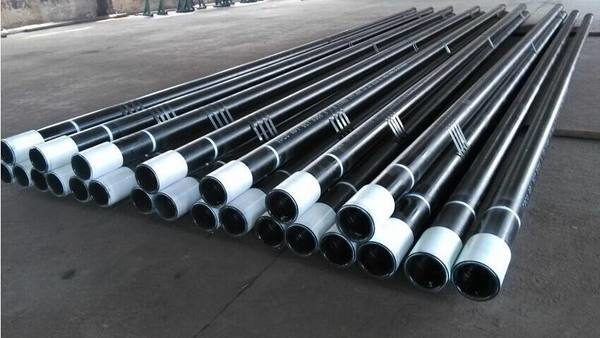
Enter the new generation of high-strength oil casings. Engineered with advanced materials and manufacturing techniques, these casings offer unprecedented resilience and reliability. By leveraging high-strength alloys and enhanced manufacturing precision, they achieve superior mechanical properties without compromising on flexibility or integrity. This technological leap marks a significant departure from conventional casings, promising enhanced operational safety and longevity.
oil paint set in case for artists
One of the primary challenges addressed by these innovations is the demand for casings capable of withstanding higher pressures and temperatures encountered in deep-sea drilling and unconventional reservoirs. Traditional casings, when subjected to such extremes, often exhibited signs of fatigue and deformation over time, necessitating frequent inspections and replacements. The new high-strength casings, however, demonstrate remarkable resistance to these environmental stresses, thereby reducing Maintenance costs and operational downtime.
https://youtube.com/watch?v=aviXC9lzU6E
Moreover, the introduction of high-strength oil casings aligns with the industry’s broader sustainability goals. By extending the operational lifespan of wells and reducing the frequency of casing replacements, these advancements contribute to more efficient resource utilization and lower environmental impact. This is particularly crucial in today’s global energy landscape, where optimizing production processes while minimizing ecological footprint is paramount.
Furthermore, the adoption of high-strength oil casings facilitates advancements in drilling technology. Their enhanced durability and structural integrity enable operators to explore previously inaccessible reserves with greater confidence and efficiency. This expansion of operational capabilities opens new frontiers in oil extraction, supporting contiNued global energy security amidst evolving geopolitical and economic landscapes.
Beyond their mechanical prowess, these casings also embody a testament to continuous innovation in materials science and engineering. The development of high-strength alloys and the refinement of manufacturing techniques underscore a commitment to pushing the boundaries of what is achievable in the field of Oil and Gas extraction. This commitment not only enhances operational performance but also fosters a culture of resilience and adaptability within the industry.
In conclusion, the introduction of new high-strength oil casing technology marks a transformative milestone in the oil and gas sector. By overcoming traditional challenges related to durability, performance, and environmental impact, these innovations pave the way for safer, more efficient, and more sustainable drilling operations. As the industry embraces these advancements, it reaffirms its dedication to meeting global energy demands responsibly and innovatively. The journey from concept to implementation of high-strength oil casings exemplifies how forward-thinking engineering can redefine the possibilities and propel the industry towards a resilient future.

![[oil pipe] [Wholesale Price] [High Quality] high grade Chinese](https://www.casingtube.com/wp-content/uploads/2022/03/u39427891151090612774fm253fmtautoapp138fJPEG-768x433.webp)