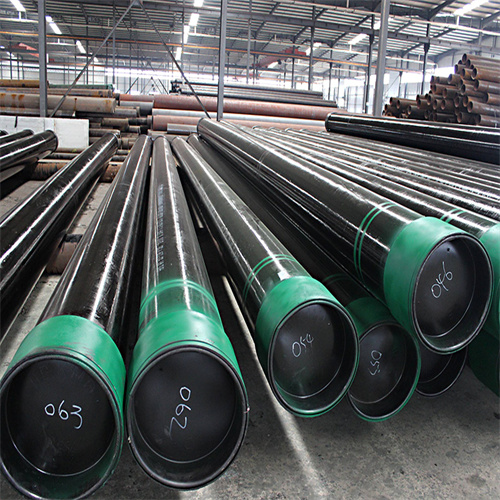
Maendeleo katika Nyenzo za Ubunifu wa Kizimba cha Mafuta
Nambari
| Bidhaa | bomba la chuma lisilo na mshono |
| 1 | Athari za Teknolojia ya Kidijitali kwenye Usanifu na Utengenezaji wa Kabati la Mafuta |
Kwa kumalizia, mazingira ya kiufundi ya uvumbuzi wa Casing ya mafuta yanabadilika kila mara, yakiendeshwa na maendeleo ya haraka ya teknolojia ya kidijitali. Kwa kukumbatia teknolojia hizi, wahandisi na watengenezaji wanaweza kuunda masuluhisho ya hali ya juu ambayo yanaboresha ufanisi, usalama na uendelevu katika tasnia ya mafuta na gesi. Tunapoendelea kusukuma mipaka ya kile kinachowezekana, ni wazi kwamba teknolojia za dijiti zitachukua jukumu muhimu katika kuunda mustakabali wa muundo na utengenezaji wa kabati la mafuta.
Impact of Digital Technologies on Oil Casing Design and Manufacturing
The Oil and Gas industry has always been at the forefront of technological innovation, constantly seeking ways to improve efficiency, safety, and sustainability. One area that has seen significant advancements in recent years is oil casing design and manufacturing. With the rise of digital technologies, such as 3D modeling, simulation software, and advanced Materials, engineers and Manufacturers are able to create stronger, more durable, and more cost-effective oil casing solutions.

One of the key benefits of digital technologies in oil casing design is the ability to create highly detailed and accurate 3D models of the casing components. These models allow engineers to visualize the casing in a virtual environment, making it easier to identify potential design flaws or weaknesses before the casing is actually manufactured. By using simulation software, engineers can also test different design configurations and materials to optimize the casing’s performance under various operating conditions.
In addition to improving the design process, digital technologies have also revolutionized the manufacturing of oil casing. Advanced manufacturing techniques, such as additive manufacturing (3D printing) and automated machining, have made it possible to produce complex casing components with greater precision and efficiency. This not only reduces production costs but also ensures that the casing meets the highest quality standards.
Furthermore, digital technologies have enabled the development of new materials that are stronger, more corrosion-resistant, and more environmentally friendly than traditional materials. For example, composite materials, such as carbon fiber reinforced polymers, offer superior strength-to-Weight ratios and Corrosion resistance compared to Steel casings. These materials are also easier to recycle, reducing the environmental impact of oil casing production and disposal.
Overall, the impact of digital technologies on oil casing design and manufacturing has been profound. By leveraging advanced modeling, simulation, and manufacturing techniques, engineers and manufacturers are able to create innovative casing solutions that are stronger, more durable, and more cost-effective than ever before. These advancements not only benefit the oil and gas industry but also contribute to a more sustainable and environmentally friendly future.
In conclusion, the technical environment of oil casing innovation is constantly evolving, driven by the r APId advancements in digital technologies. By embracing these technologies, engineers and manufacturers are able to create cutting-edge casing solutions that improve efficiency, safety, and sustainability in the oil and gas industry. As we contiNue to push the boundaries of what is possible, it is clear that digital technologies will play a crucial role in shaping the future of oil casing design and manufacturing.