Advancements in Materials for Oil Casing innovation
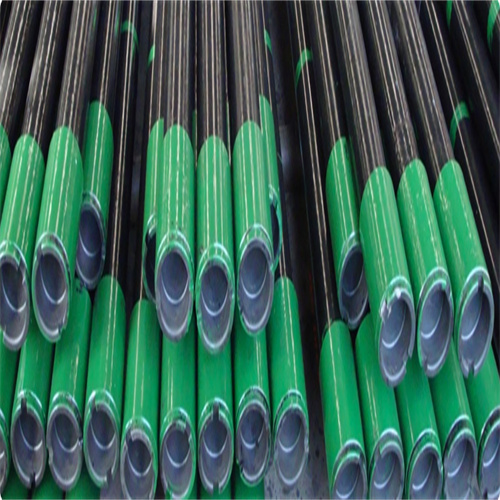
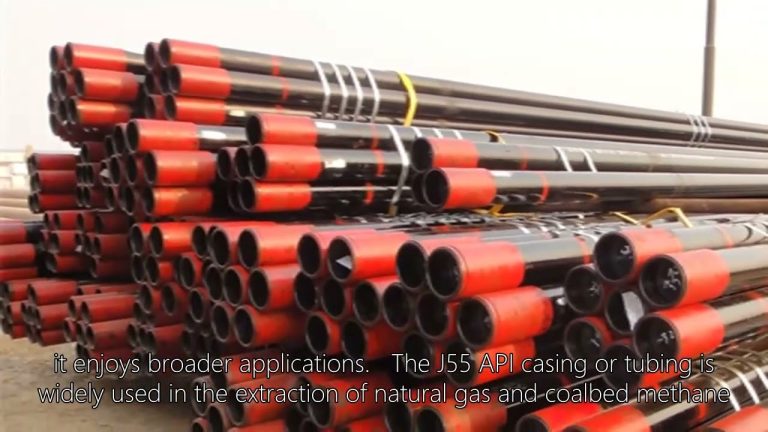
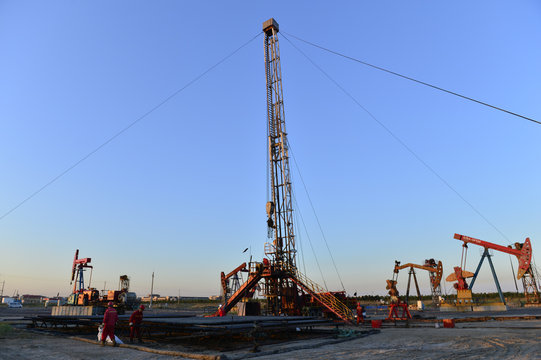
Oil casing plays a crucial role in the extraction of Oil and Gas from deep underground reservoirs. It serves as a protective barrier that prevents the wellbore from collapsing and ensures the integrity of the well. Over the years, there have been significant advancements in the materials used for oil casing, driven by the need for more durable and reliable solutions in harsh operating environments.
One of the key factors driving innovation in Oil casing materials is the increasing depth and complexity of oil and gas wells. As drilling operations move into deeper and more challenging environments, the demand for casing materials that can withstand higher temperatures, pressures, and corrosive conditions has grown. Traditional materials like Carbon Steel have limitations in these extreme environments, leading to the development of new materials with enhanced properties.
One such material that has gained popularity in recent years is corrosion-resistant alloys (CRAs). These alloys are specifically designed to resist corrosion in aggressive environments, making them ideal for use in oil and gas wells where corrosive fluids are present. CRAs offer superior resistance to pitting, crevice corrosion, and stress corrosion cracking, ensuring the long-term integrity of the casing.
Another material that has shown promise in oil casing applications is high-strength low-alloy (HSLA) steel. HSLA steels are known for their High strength-to-Weight ratio, making them ideal for use in deepwater drilling operations where weight considerations are critical. These steels offer excellent mechanical properties, including high tensile strength and toughness, making them well-suited for withstanding the extreme pressures and temperatures encountered in deep wells.
In addition to CRAs and HSLA steels, composite materials have also emerged as a viable option for oil casing applications. Composites are made from a combination of two or more materials with different properties, resulting in a material that offers a unique combination of strength, durability, and Corrosion resistance. Composite casings are lightweight, easy to install, and have excellent resistance to corrosion, making them an attractive alternative to traditional steel casings.
oil Pipe dimensions guideThe development of new materials for oil casing has been accompanied by advancements in manufacturing processes and technologies. For example, the use of advanced welding techniques, such as friction stir welding and laser welding, has enabled the production of seamless and high-strength casings with improved mechanical properties. These welding techniques offer precise control over the welding process, resulting in casings that are free from defects and have uniform properties throughout.
Furthermore, the use of advanced coatings and surface treatments has enhanced the corrosion resistance of oil casing materials. Coatings like epoxy, polyurethane, and ceramic provide an additional layer of protection against corrosive fluids, extending the service life of the casing and reducing Maintenance costs. Surface treatments, such as shot peening and nitriding, improve the fatigue resistance and wear properties of the casing, ensuring reliable performance in demanding operating conditions.
In conclusion, the technical environment of oil casing innovation is constantly evolving, driven by the need for materials that can withstand the extreme conditions encountered in modern oil and gas wells. The development of new materials, manufacturing processes, and surface treatments has led to the production of casings that offer superior performance, durability, and reliability. As drilling operations contiNue to push the boundaries of what is possible, the demand for innovative oil casing solutions will only continue to grow.
Impact of Digital Technologies on Oil Casing Design and Manufacturing
The oil and gas industry has always been at the forefront of technological innovation, constantly seeking ways to improve efficiency, safety, and sustainability. One area that has seen significant advancements in recent years is oil casing design and manufacturing. With the rise of digital technologies, such as 3D modeling, simulation software, and advanced materials, engineers and Manufacturers are able to create stronger, more durable, and more cost-effective oil casing solutions.

One of the key benefits of digital technologies in oil casing design is the ability to create highly detailed and accurate 3D models of the casing components. These models allow engineers to visualize the casing in a virtual environment, making it easier to identify potential design flaws or weaknesses before the casing is actually manufactured. By using simulation software, engineers can also test different design configurations and materials to optimize the casing’s performance under various operating conditions.
In addition to improving the design process, digital technologies have also revolutionized the manufacturing of oil casing. Advanced manufacturing techniques, such as additive manufacturing (3D printing) and automated machining, have made it possible to produce complex casing components with greater precision and efficiency. This not only reduces production costs but also ensures that the casing meets the highest quality standards.
Furthermore, digital technologies have enabled the development of new materials that are stronger, more corrosion-resistant, and more environmentally friendly than traditional materials. For example, composite materials, such as carbon fiber reinforced polymers, offer superior strength-to-weight ratios and corrosion resistance compared to steel casings. These materials are also easier to recycle, reducing the environmental impact of oil casing production and disposal.
Overall, the impact of digital technologies on oil casing design and manufacturing has been profound. By leveraging advanced modeling, simulation, and manufacturing techniques, engineers and manufacturers are able to create innovative casing solutions that are stronger, more durable, and more cost-effective than ever before. These advancements not only benefit the oil and gas industry but also contribute to a more sustainable and environmentally friendly future.
In conclusion, the technical environment of oil casing innovation is constantly evolving, driven by the r APId advancements in digital technologies. By embracing these technologies, engineers and manufacturers are able to create cutting-edge casing solutions that improve efficiency, safety, and sustainability in the oil and gas industry. As we continue to push the boundaries of what is possible, it is clear that digital technologies will play a crucial role in shaping the future of oil casing design and manufacturing.