Manufaa ya Kuchuja Kuzuia Kutu katika Uteuzi wa Mfuko wa Mafuta
Umuhimu wa Uteuzi Ufaao wa Kabati la Mafuta kwa Hatua za Kuzuia Kutua
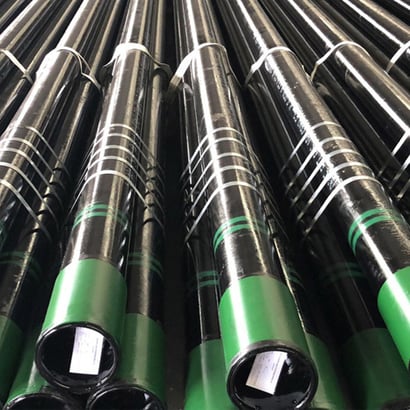
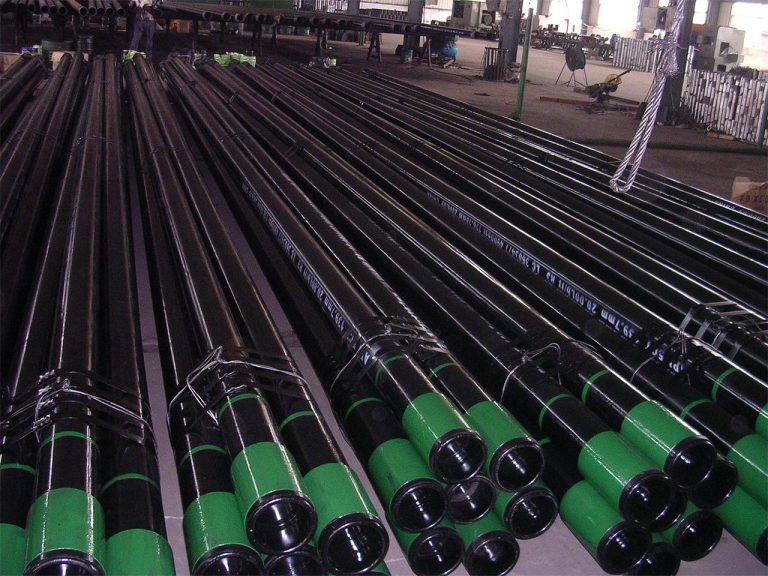
API 5ct C90 Casing Kampuni Bora ya china
Hatua sahihi za udhibiti wa ubora lazima zitekelezwe wakati wa utengenezaji na uwekaji wa kabati ili kuhakikisha kuwa sifa za kuzuia kutu zinadumishwa ipasavyo. Ukaguzi wa mara kwa mara na utunzaji wa kasha pia ni muhimu ili kugundua dalili zozote za kutu mapema na kuchukua hatua za kurekebisha ili kuzuia uharibifu zaidi.
Kwa kumalizia, umuhimu wa uteuzi sahihi wa kabati la mafuta kwa hatua za kuzuia kutu hauwezi kupitiwa kupita kiasi. Kwa kuchuja kwa uangalifu na kuchagua nyenzo sahihi za casing, kuzingatia mambo ya mazingira, mali ya mitambo, na kutumia mipako inayofaa, makampuni ya mafuta yanaweza kupunguza hatari za kutu na kuhakikisha uadilifu wa muda mrefu na utendaji wa visima vyao. Uwekezaji katika hatua za hali ya juu za kuzuia kutu sio tu kwamba hulinda miundombinu bali pia huchangia katika ufanisi na uendelevu wa shughuli za uzalishaji wa mafuta.
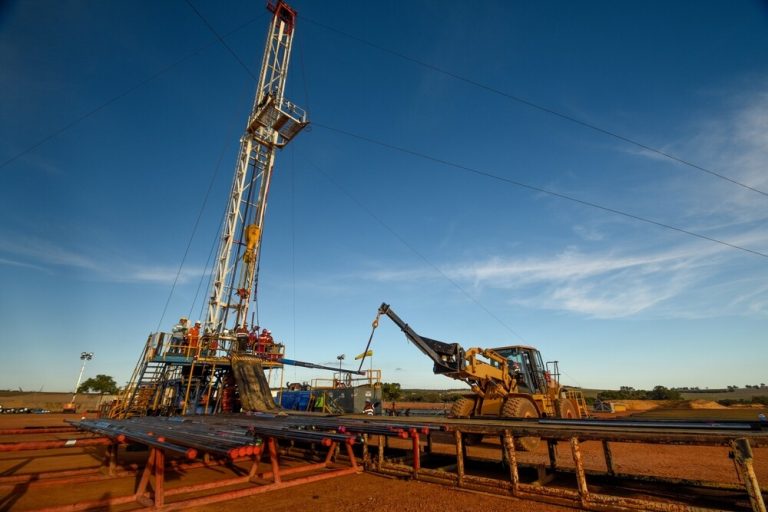
Oil Casing selection is a critical aspect of ensuring the longevity and efficiency of Oil Wells. Among the various considerations that must be taken into account, anti-corrosion measures play a pivotal role in maintaining the integrity of the casing and preventing costly damage to the well infrastructure. The process of filtering and selecting the right oil casing for anti-corrosion purposes is a meticulous task that requires careful evaluation of multiple factors.
Corrosion in oil wells can lead to a range of issues, including structural degradation, leaks, and ultimately, the premature failure of the well. As such, selecting the appropriate casing Material with effective anti-corrosion properties is essential for ensuring the long-term viability of the well. Various types of corrosion can affect oil casing, including uniform corrosion, pitting corrosion, and stress corrosion cracking, each of which presents unique challenges that must be addressed through proper material selection and treatment.

One of the key considerations in anti-corrosion filtering and selection is the environment in which the well will operate. Factors such as temperature, pressure, pH levels, and the presence of corrosive substances in the well fluid must be carefully evaluated to determine the most suitable casing material. For example, in environments with high levels of hydrogen sulfide or carbon dioxide, corrosion-resistant alloys such as Stainless Steel or nickel-based alloys may be required to prevent corrosion damage.
In addition to environmental factors, the mechanical properties of the casing material must also be taken into account. The casing must be able to withstand the stresses and pressures exerted on it during drilling, completion, and production operations. Furthermore, the casing material should have good weldability and formability to ensure proper installation and Sealing of the well.
Another important aspect of anti-corrosion filtering and selection is the coating or treatment applied to the casing surface. Various coatings, such as epoxy, zinc, or polymer-based coatings, can provide an additional layer of protection against corrosion. These coatings not only act as a barrier to corrosive substances but also enhance the overall durability and lifespan of the casing.
API 5CT C90 CASING Best China Company
Proper quality control measures must be implemented during the manufacturing and installation of the casing to ensure that the anti-corrosion properties are effectively maintained. Regular inspection and Maintenance of the casing are also essential to detect any signs of corrosion early on and take corrective actions to prevent further damage.
In conclusion, the importance of proper oil casing selection for anti-corrosion measures cannot be overstated. By carefully filtering and selecting the right casing material, considering environmental factors, mechanical properties, and applying appropriate coatings, oil Companies can mitigate the risks of corrosion and ensure the long-term integrity and performance of their wells. Investing in high-quality anti-corrosion measures not only protects the infrastructure but also contributes to the overall efficiency and sustainability of oil production operations.