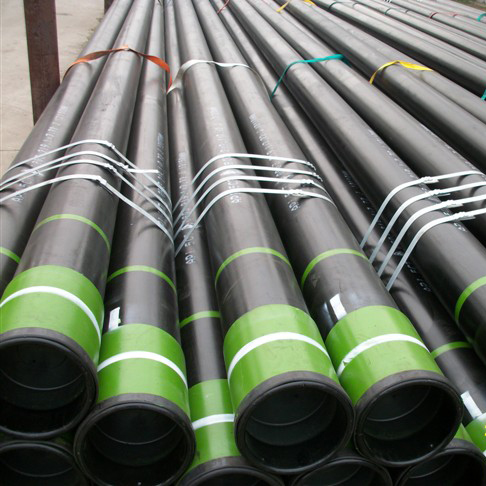
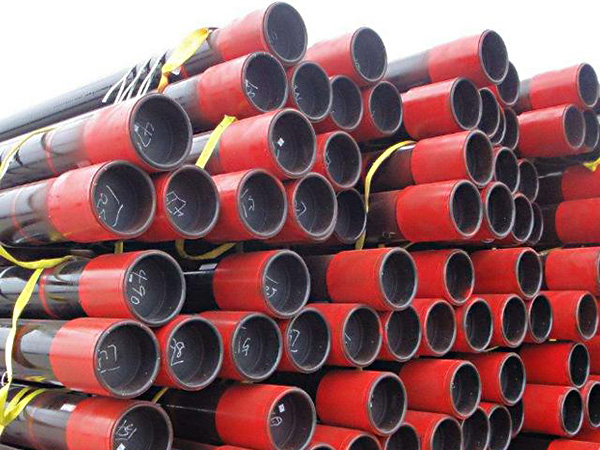
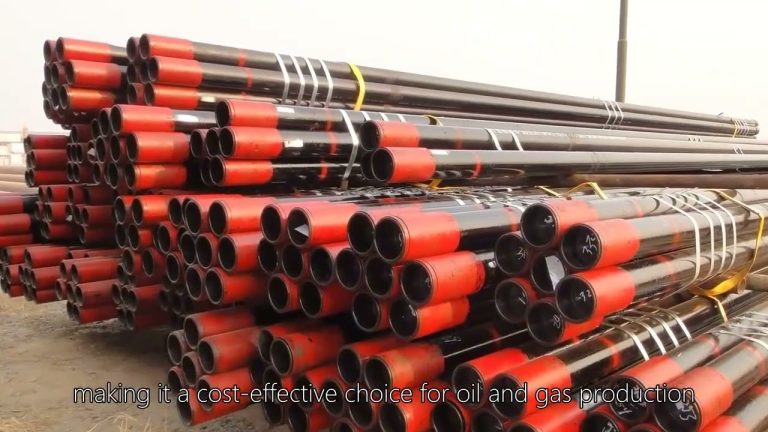
Muhtasari wa Vipimo vya API 5ct l80 Casing na Tubing Bomba
Mambo Yanayoathiri Upinzani wa Mvutano katika API 5CT L80 Pipes
Upinzani wa mvutano wa API 5CT L80 casing na mabomba ya neli ni jambo muhimu katika kuhakikisha uadilifu na kutegemewa kwa visima vya mafuta na gesi. Sababu kadhaa huathiri upinzani huu, na kuzielewa ni muhimu kwa wahandisi na waendeshaji wanaohusika katika shughuli za uchimbaji na uzalishaji. Moja ya mambo ya msingi yanayoathiri upinzani wa mvutano ni mali ya nyenzo ya bomba yenyewe. Mabomba ya API 5CT L80 yanafanywa kwa chuma cha juu-nguvu, ambayo imeundwa kuhimili mizigo muhimu ya mvutano. Muundo wa kemikali na sifa za mitambo ya chuma, ikiwa ni pamoja na nguvu ya mavuno na nguvu ya mkazo, huchukua jukumu muhimu katika kuamua jinsi bomba linaweza kupinga mvutano. Nguvu ya mavuno ya juu kwa kawaida hufasiri utendakazi bora chini ya mkazo wa mkazo, na kuifanya kuwa muhimu kuchagua mabomba ambayo yanakidhi au kuzidi viwango vilivyobainishwa.
Njia za Kujaribu kwa Upinzani wa Mvutano katika API 5CT L80 casing and tubing
Maelezo ya kifuko cha API 5CT L80 na bomba la neli ni muhimu katika tasnia ya mafuta na gesi, haswa kwa programu zinazohitaji uimara wa juu na uimara. Moja ya sifa muhimu za utendaji wa mabomba haya ni upinzani wao wa mvutano, ambayo ni muhimu kwa kuhakikisha uadilifu na usalama wa shughuli za kuchimba visima. Ili kutathmini upinzani wa mvutano wa API 5CT L80 casing na neli, mbinu mbalimbali za kupima hutumiwa, kila moja iliyoundwa kutathmini uwezo wa nyenzo kuhimili nguvu za mkazo bila kushindwa.
Mojawapo ya mbinu za kawaida za kupima upinzani wa mvutano ni mtihani wa mvutano, ambayo inahusisha kuweka mzigo wa uniaxial kwa sampuli ya casing au neli hadi itakapovunjika. Jaribio hili hutoa data muhimu juu ya nguvu ya mavuno, nguvu ya mwisho ya mkazo, na urefu wa nyenzo. Kwa kupima vigezo hivi, wahandisi wanaweza kuamua ikiwa bomba hukutana na vipimo vinavyohitajika kwa upinzani wa mvutano. Jaribio la mvutano kwa kawaida hufanywa kwa mujibu wa viwango vilivyowekwa, ili kuhakikisha uthabiti na kutegemewa katika matokeo.
usambazaji bomba wa chuma Kiwanda Bora cha china Pamoja na jaribio la mvutano, mbinu zingine kama vile jaribio la kupasuka na kuporomoka pia zinaweza kutoa maarifa kuhusu utendakazi. ya mabomba ya API 5CT L80 chini ya mvutano. Jaribio la kupasuka linahusisha kuweka bomba kwa shinikizo la ndani hadi kushindwa, wakati mtihani wa kuanguka hutathmini uwezo wa bomba kuhimili shinikizo la nje. Ingawa vipimo hivi kimsingi vinazingatia upinzani wa shinikizo, vinachangia kwa njia isiyo ya moja kwa moja kuelewa sifa za jumla za mitambo ya nyenzo, pamoja na upinzani wake wa mvutano. Kwa kuchanganua matokeo ya majaribio haya, wahandisi wanaweza kupata uelewa wa kina wa jinsi bomba litafanya kazi katika hali halisi ya ulimwengu.
Kipengele kingine muhimu cha kupima upinzani wa mvutano ni tathmini ya muundo mdogo wa bomba. Uchambuzi wa metallurgiska, ikijumuisha mbinu kama vile hadubini ya elektroni ya kuchanganua (SEM) na hadubini ya macho, inaweza kufichua muundo wa nafaka na usambazaji wa awamu ndani ya nyenzo. Tabia hizi zina jukumu kubwa katika kuamua sifa za mvutano wa bomba. Kwa kuunganisha vipengele vya miundo midogo na utendakazi wa kimitambo, watafiti wanaweza kutambua udhaifu unaoweza kutokea na kuboresha mchakato wa utengenezaji ili kuongeza ukinzani wa mvutano.
Aidha, athari za vipengele mbalimbali kama vile halijoto, kutu na michakato ya utengenezaji kwenye ukinzani wa mvutano haziwezi kupuuzwa. Kwa mfano, halijoto ya juu inaweza kusababisha kupunguzwa kwa nguvu ya mavuno, huku mazingira ya kutu yanaweza kuhatarisha uadilifu wa nyenzo. Kwa hiyo, ni muhimu kufanya vipimo vinavyoiga hali ambazo mabomba yatakutana nayo shambani. Mbinu hii inahakikisha kwamba API 5CT L80 casing na neli haiambatani na vipimo pekee bali pia inaweza kufanya kazi kwa uaminifu chini ya hali ngumu.
Kwa kumalizia, mbinu za kupima upinzani wa mvutano katika API 5CT L80 casing na mabomba ya neli zina vipengele vingi na muhimu. kwa ajili ya kuhakikisha usalama na ufanisi wa shughuli za uchimbaji. Kupitia vipimo vya mkazo, vipimo vya kupasuka, vipimo vya kuanguka, na uchambuzi wa metallurgiska, wahandisi wanaweza kutathmini sifa za mitambo ya nyenzo na uwezo wake wa kuhimili nguvu za mkazo. Kwa kuelewa mwingiliano kati ya muundo mdogo, mambo ya mazingira, na utendakazi wa kiufundi, tasnia inaweza kuendelea kuboresha muundo na utengenezaji wa bomba la mirija na mirija, hatimaye kusababisha michakato salama na bora zaidi ya uchimbaji wa mafuta na gesi. Uendelezaji unaoendelea wa mbinu za majaribio utaimarisha zaidi kutegemewa kwa vipengele hivi muhimu katika sekta ya nishati.

Lastly, operational factors, including the type of drilling techniques employed and the dynamic loads experienced during production, can significantly influence tension resistance. Techniques such as horizontal drilling or deepwater drilling introduce unique challenges that can affect the performance of the pipes. Understanding these operational dynamics is crucial for ensuring that the selected API 5CT L80 pipes can withstand the anticipated loads throughout their service life. In conclusion, the tension resistance of API 5CT L80 casing and Tubing Pipes is influenced by a combination of Material properties, manufacturing processes, geometric considerations, environmental conditions, and operational factors. By carefully evaluating these elements, engineers can ensure the selection of appropriate pipes that will perform reliably under the demanding conditions of Oil and Gas extraction.
Testing Methods for Tension Resistance in API 5CT L80 Casing and Tubing
The API 5CT L80 casing and tubing pipe specification is crucial in the oil and gas industry, particularly for applications that require high strength and durability. One of the key performance characteristics of these pipes is their tension resistance, which is essential for ensuring the integrity and safety of drilling operations. To evaluate the tension resistance of API 5CT L80 casing and Tubing, various testing methods are employed, each designed to assess the material’s ability to withstand tensile forces without failure.
One of the most common methods for testing tension resistance is the tensile test, which involves applying a uniaxial load to a sample of the casing or tubing until it fractures. This test provides valuable data on the yield strength, ultimate tensile strength, and elongation of the material. By measuring these parameters, engineers can determine whether the pipe meets the required specifications for tension resistance. The tensile test is typically conducted in accordance with established standards, ensuring consistency and reliability in the results.
Steel piping Best China FactoryIn addition to the tensile test, other methods such as the burst test and collapse test can also provide insights into the performance of API 5CT L80 pipes under tension. The burst test involves subjecting the pipe to internal pressure until it fails, while the collapse test assesses the pipe’s ability to withstand external pressure. Although these tests primarily focus on pressure resistance, they indirectly contribute to understanding the overall mechanical properties of the material, including its tension resistance. By analyzing the results of these tests, engineers can gain a comprehensive understanding of how the pipe will perform in real-world conditions.
Another important aspect of testing tension resistance is the evaluation of the pipe’s microstructure. Metallurgical analysis, including techniques such as scanning electron microscopy (SEM) and optical microscopy, can reveal the grain structure and phase distribution within the material. These characteristics play a significant role in determining the tensile properties of the pipe. By correlating microstructural features with mechanical performance, researchers can identify potential weaknesses and optimize the manufacturing process to enhance tension resistance.
Furthermore, the impact of various factors such as temperature, corrosion, and manufacturing processes on tension resistance cannot be overlooked. For instance, high temperatures can lead to a reduction in yield strength, while corrosive environments can compromise the integrity of the material. Therefore, it is essential to conduct tests that simulate the conditions the pipes will encounter in the field. This approach ensures that the API 5CT L80 casing and tubing are not only compliant with specifications but also capable of performing reliably under challenging conditions.
In conclusion, the testing methods for tension resistance in API 5CT L80 casing and tubing pipes are multifaceted and critical for ensuring the safety and effectiveness of drilling operations. Through tensile tests, burst tests, collapse tests, and metallurgical analysis, engineers can assess the mechanical properties of the material and its ability to withstand tensile forces. By understanding the interplay between microstructure, environmental factors, and mechanical performance, the industry can contiNue to improve the design and manufacturing of casing and tubing pipes, ultimately leading to safer and more efficient oil and gas extraction processes. The ongoing development of testing methodologies will further enhance the reliability of these essential components in the energy sector.