Manufaa ya Kutumia Nguvu za API Casing katika Sekta ya Mafuta na Gesi:
– Kuimarishwa kwa uadilifu na utulivu

Zaidi ya hayo, aina ya muunganisho wa casing ya API ni jambo lingine muhimu linalochangia uimara wake. Viunganishi vilivyo na nyuzi hutumiwa kwa kawaida kuunganisha sehemu za casing pamoja, kutoa muhuri salama na usiovuja. Miunganisho iliyosanifiwa ipasavyo ni muhimu kwa kudumisha uadilifu wa kisima na kuzuia uvujaji wa gesi au maji ambayo yanaweza kuathiri uthabiti wa kisima.
Kwa kuzingatia vipengele hivi, waendeshaji wanaweza kuchagua kifuko cha API kinachofaa ambacho kinakidhi mahitaji mahususi ya visima vyao. Iwe ni mazingira ya shinikizo la juu au uundaji babuzi, kuchagua nguvu sahihi ya kabati ni muhimu ili kuhakikisha uadilifu wa muda mrefu na uthabiti wa kisima.
Kwa kumalizia, uwekaji wa API hutoa nguvu nyingi zinazochangia kuimarishwa kwa uadilifu wa kisima. na utulivu. Kutoka kwa muundo wa nyenzo hadi unene wa ukuta na aina ya unganisho, kila kipengele kina jukumu muhimu katika kuhakikisha utendakazi na kutegemewa kwa visima vya mafuta na gesi. Kwa kuelewa nguvu hizi, waendeshaji wanaweza kufanya maamuzi sahihi wakati wa kuchagua sanduku la visima vyao, hatimaye kuchangia mafanikio na ufanisi wa shughuli zao.
– Enhanced well integrity and stability
API Casing Strengths
API casing plays a crucial role in the Oil and Gas industry, providing structural support and protection to wells. One of the key strengths of API casing is its ability to enhance well integrity and stability. By understanding the various aspects that contribute to this strength, we can appreciate the importance of selecting the right casing for different well conditions.
API casing is designed to withstand the harsh conditions encountered in oil and gas wells. It serves as a barrier between the wellbore and the surrounding formation, preventing fluid migration and maintaining well integrity. The strength of API casing is determined by factors such as Material composition, Wall thickness, and Connection type.
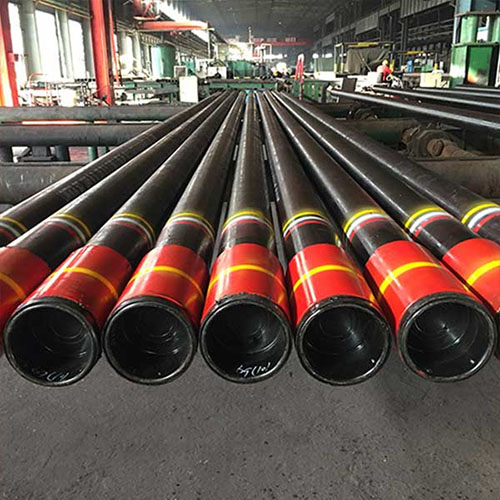
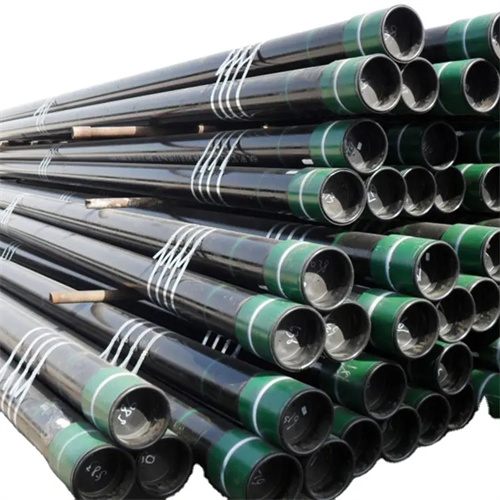
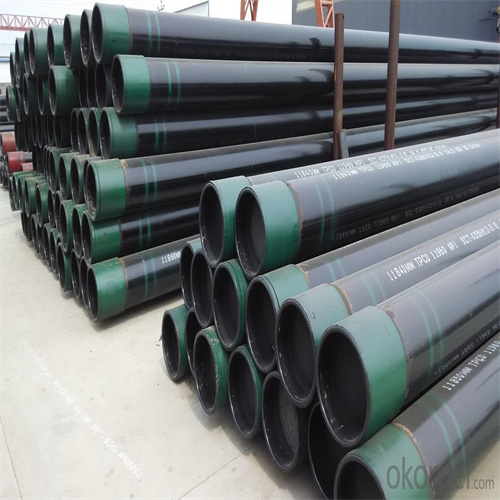
api 5ct K55 CASING Best china MakersThe material composition of API casing is carefully selected to ensure durability and resistance to corrosion. Common materials used include Carbon Steel and alloy steel, which offer high tensile strength and toughness. These materials are cHosen based on the specific requirements of the well, taking into account factors such as depth, pressure, and temperature.
In addition to material composition, the wall thickness of API casing plays a critical role in determining its strength. Thicker walls provide increased resistance to external pressures and mechanical loads, enhancing the overall integrity of the well. Engineers carefully calculate the required wall thickness based on the anticipated downhole conditions to ensure optimal performance.
Furthermore, the connection type of API casing is another important factor that contributes to its strength. Threaded connections are commonly used to join casing segments together, providing a secure and leak-proof Seal. Properly designed connections are essential for maintaining well integrity and preventing gas or fluid leaks that could compromise the stability of the well.
By considering these factors, operators can select the appropriate API casing that meets the specific requirements of their wells. Whether it’s a high-pressure environment or a corrosive formation, choosing the right casing strength is essential for ensuring the long-term integrity and stability of the well.
In conclusion, API casing offers a range of strengths that contribute to enhanced well integrity and stability. From material composition to wall thickness and connection type, each aspect plays a crucial role in ensuring the performance and reliability of oil and gas wells. By understanding these strengths, operators can make informed decisions when selecting casing for their wells, ultimately contributing to the success and efficiency of their operations.