Benefits of Using API Casing Strengths in Oil and Gas Industry:
API casing strengths play a crucial role in the oil and gas industry, providing essential support and protection for wellbores in various drilling operations. These casing strengths, defined by the American Petroleum Institute (API), are standardized to ensure reliability and performance in demanding environments. Understanding the benefits of using API casing strengths can help industry professionals make informed decisions when selecting Materials for their projects.
One significant advantage of utilizing API casing strengths is their high level of durability. These casings are designed to withstand extreme pressures, temperatures, and corrosive substances encountered during drilling and production processes. By adhering to API standards, Companies can rely on the structural integrity of the casings to maintain wellbore stability and prevent potential failures that could lead to costly downtime and environmental hazards.

Moreover, API casing strengths offer enhanced resistance to mechanical stresses, such as tension, compression, and bending forces. This resilience is essential for ensuring the longevity and performance of wellbores in challenging geological formations. By choosing API-compliant casings, operators can mitigate the risk of casing deformations or failures that could compromise the overall integrity of the well.
In addition to their robust Construction, API casing strengths provide compatibility with various downhole Tools and equipment used in oil and gas operations. The standardized dimensions and specifications of API casings allow for seamless integration with other components, such as Packers, Pumps, and completion systems. This interoperability streamlines the installation process and facilitates efficient well construction and Maintenance procedures.
Furthermore, API casing strengths contribute to improved wellbore isolation and zonal isolation, essential for optimizing reservoir production and minimizing fluid migration between different geological layers. By selecting casings that meet API requirements, operators can achieve a reliable barrier system that prevents unwanted fluid communication and ensures the efficient extraction of hydrocarbons from targeted reservoir zones.
Another key benefit of using API casing strengths is the assurance of quality and traceability throughout the supply chain. API-certified casings undergo rigorous testing and inspection procedures to verify their mechanical properties and performance characteristics. This quality assurance process helps industry stakeholders identify reliable Suppliers and maintain consistent standards across drilling projects.
Overall, the utilization of API casing strengths in the oil and gas industry offers a range of benefits, including durability, mechanical resilience, compatibility with downhole equipment, wellbore isolation, and quality assurance. By prioritizing API-compliant casings, companies can enhance operational efficiency, reduce risks associated with well integrity, and optimize production outcomes in challenging drilling environments.
– Enhanced well integrity and stability
API Casing Strengths
API casing plays a crucial role in the oil and gas industry, providing structural support and protection to wells. One of the key strengths of API casing is its ability to enhance well integrity and stability. By understanding the various aspects that contribute to this strength, we can appreciate the importance of selecting the right casing for different well conditions.
API casing is designed to withstand the harsh conditions encountered in oil and gas wells. It serves as a barrier between the wellbore and the surrounding formation, preventing fluid migration and maintaining well integrity. The strength of API casing is determined by factors such as material composition, Wall thickness, and Connection type.
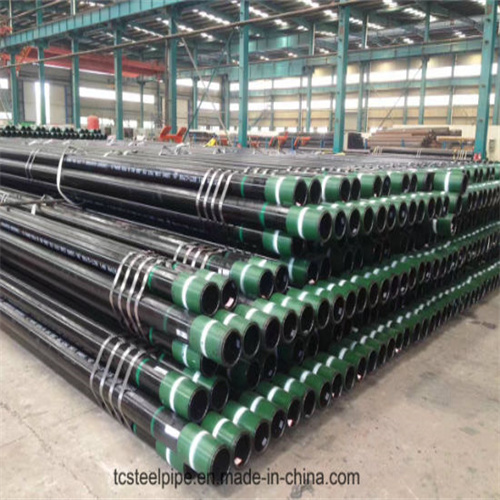
api 5ct K55 CASING Best china MakersThe material composition of API casing is carefully selected to ensure durability and resistance to corrosion. Common materials used include Carbon Steel and alloy steel, which offer high tensile strength and toughness. These materials are cHosen based on the specific requirements of the well, taking into account factors such as depth, pressure, and temperature.
In addition to material composition, the wall thickness of API casing plays a critical role in determining its strength. Thicker walls provide increased resistance to external pressures and mechanical loads, enhancing the overall integrity of the well. Engineers carefully calculate the required wall thickness based on the anticipated downhole conditions to ensure optimal performance.
Furthermore, the connection type of API casing is another important factor that contributes to its strength. Threaded connections are commonly used to join casing segments together, providing a secure and leak-proof Seal. Properly designed connections are essential for maintaining well integrity and preventing gas or fluid leaks that could compromise the stability of the well.
By considering these factors, operators can select the appropriate API casing that meets the specific requirements of their wells. Whether it’s a high-pressure environment or a corrosive formation, choosing the right casing strength is essential for ensuring the long-term integrity and stability of the well.
In conclusion, API casing offers a range of strengths that contribute to enhanced well integrity and stability. From material composition to wall thickness and connection type, each aspect plays a crucial role in ensuring the performance and reliability of oil and gas wells. By understanding these strengths, operators can make informed decisions when selecting casing for their wells, ultimately contributing to the success and efficiency of their operations.