Kuboresha Muundo wa Casing kwa Uchimbaji Bora wa Mafuta
Kushinda Changamoto za Kiufundi katika Uchaguzi wa Casing kwa Urejeshaji Ulioboreshwa wa Mafuta
 Rahisisha Matatizo ya Uchimbaji wa Mafuta na Casing ya Ajabu
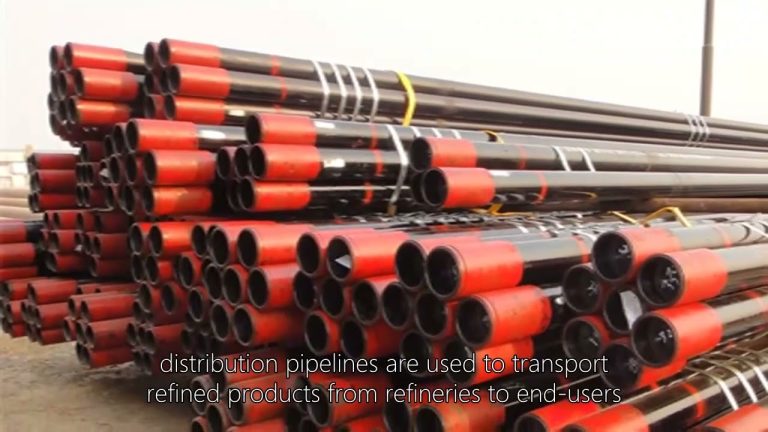
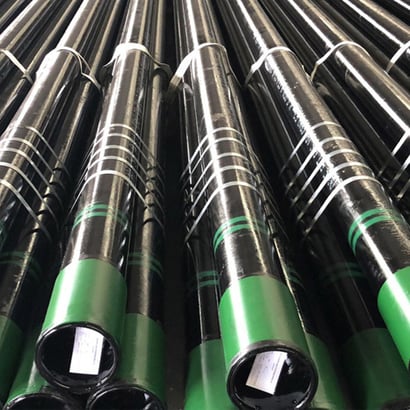
Tube ya Ugavi wa Mafuta
Katika kushughulikia changamoto za uteuzi wa kabati, ushirikiano katika taaluma mbalimbali ni muhimu. Wanasayansi wa kijiografia, wahandisi, na wanasayansi wa nyenzo hushirikiana kuchanganua sifa za hifadhi, kutathmini hatari za uchimbaji wa visima, na kutengeneza masuluhisho ya kabati yaliyolengwa. Mtazamo huu wa taaluma mbalimbali huhakikisha kwamba mifumo ya kabati sio tu inakidhi mahitaji ya kiufundi lakini pia inalingana na kanuni za mazingira na malengo ya uendelevu ya shirika.
Tukiangalia mbeleni, mustakabali wa teknolojia ya kabati una ahadi ya ubunifu zaidi. Jitihada za utafiti zinaendelea kulenga nyenzo nyepesi, casings zinazoweza kuharibika, na teknolojia ya uadilifu ya visima iliyoimarishwa. Maendeleo haya yanalenga kupunguza mwelekeo wa mazingira wa sekta hii huku ikiboresha utendakazi na kupunguza gharama za uchimbaji.
Kwa kumalizia, mageuzi ya teknolojia ya casing ni muhimu katika kukabiliana na changamoto za kiufundi zinazohusiana na uchimbaji wa mafuta. Kuanzia nyenzo za hali ya juu hadi mifumo mahiri, uvumbuzi katika muundo wa kabati unaongoza tasnia kuelekea ufanisi zaidi, usalama na uendelevu. Kadiri akiba ya mafuta inavyozidi kuwa na changamoto ya kufikia, jukumu la kuhifadhi katika kuboresha michakato ya uokoaji na kuhakikisha uadilifu utakua tu katika umuhimu. Kwa kukumbatia uvumbuzi na ushirikiano, tasnia inaweza kuendelea kushughulikia matatizo na kufungua uwezo kamili wa rasilimali za nishati duniani.
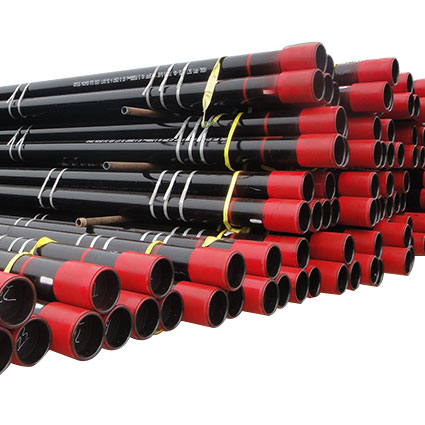
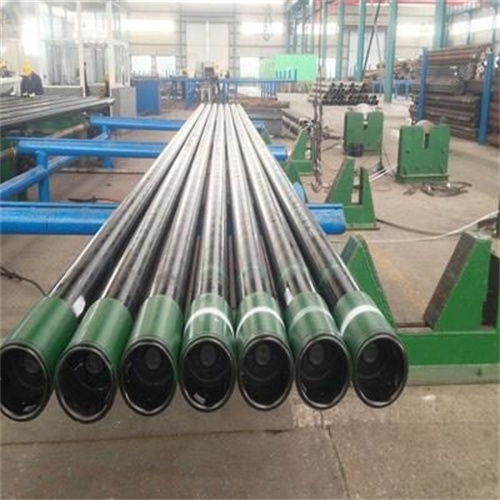
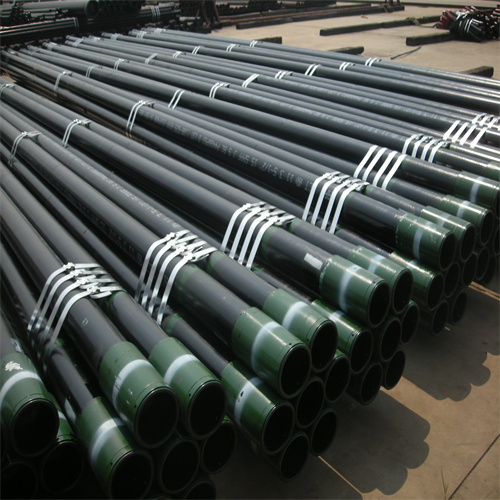
Oil extraction, a cornerstone of global energy production, contiNues to evolve with advancements in technology and engineering. Central to this evolution is the selection and deployment of casing systems, critical for enhancing oil recovery efficiency and overcoming technical challenges in the field. Casing, essentially a Steel Pipe inserted into a well to maintain its structural integrity and prevent collapse, plays a pivotal role in facilitating safe and efficient oil extraction processes.
The challenges in casing selection are multifaceted, ranging from geological complexities to environmental considerations. Geologically, formations vary widely in terms of porosity, permeability, and pressure, necessitating careful consideration of casing specifications. Engineers must balance factors such as casing strength, Corrosion resistance, and thermal stability to ensure longevity and reliability under demanding conditions.
Furthermore, environmental factors such as temperature fluctuations, corrosive fluids, and mechanical stresses impose additional constraints on casing Materials and design. Advances in metallurgy have enabled the development of high-strength alloys capable of withstanding harsh environments while maintaining dimensional stability—a crucial factor in preventing wellbore collapse and maintaining operational safety.
In recent years, technological innovations have revolutionized casing design, offering solutions that enhance both operational efficiency and environmental sustainability. One such innovation is the use of intelligent casing systems equipped with sensors and communication capabilities. These systems provide real-time data on well conditions, allowing for proactive Maintenance and optimization of extraction processes. By integrating data analytics and machine learning, operators can predict potential failures and adjust extraction strategies in real-time, thereby minimizing downtime and optimizing production output.
Another significant development is the application of nanotechnology in casing materials. Nanostructured coatings enhance corrosion resistance and thermal insulation properties, prolonging casing life and reducing maintenance costs. These coatings also mitigate environmental impacts by preventing leaks and minimizing chemical usage in well treatment processes.
Moreover, the concept of “smart casings” goes beyond monitoring and maintenance. Advanced materials such as shape memory alloys enable casings to adapt to changing downhole conditions, improving reliability and reducing the need for costly interventions. Coupled with robotics and automation, smart casings promise to revolutionize oil extraction by enabling autonomous well management and optimizing resource utilization.
In addressing the challenges of casing selection, collaboration across disciplines is crucial. Geoscientists, engineers, and material scientists work hand-in-hand to analyze reservoir characteristics, assess drilling risks, and develop tailored casing solutions. This interdisciplinary approach ensures that casing systems not only meet technical requirements but also align with environmental regulations and corporate sustainability goals.
Looking ahead, the future of casing technology holds promise for further innovations. Research efforts continue to focus on lightWeight materials, biodegradable casings, and enhanced wellbore integrity technologies. These developments aim to reduce the industry’s environmental footprint while improving operational efficiencies and lowering extraction costs.
In conclusion, the evolution of casing technology is pivotal in overcoming technical challenges associated with oil extraction. From advanced materials to smart systems, innovations in casing design are driving the industry towards greater efficiency, safety, and sustainability. As oil reserves become more challenging to access, the role of casing in optimizing recovery processes and ensuring well integrity will only grow in importance. By embracing innovation and collaboration, the industry can continue to navigate complexities and unlock the full potential of global energy resources.