Muhtasari wa Nyenzo Zinazostahimili katika Utumizi wa Mfuko wa Mafuta
Kijadi, chuma kimekuwa nyenzo ya chaguo kwa Casing ya mafuta kutokana na nguvu na uimara wake. Hata hivyo, mapungufu ya asili ya chuma, hasa uwezekano wake wa kutu na uchovu chini ya hali mbaya, imesababisha watafiti na wahandisi kuchunguza nyenzo mbadala. Njia moja ya kuahidi ya utafiti inahusisha uundaji wa nyenzo za hali ya juu za mchanganyiko, ambazo huchanganya sifa za manufaa za dutu mbalimbali ili kuunda bidhaa ambayo ni nyepesi na yenye nguvu ya kipekee. Michanganyiko hii inaweza kutengenezwa ili kustahimili kutu na kuchakaa, na kuzifanya zifae kwa matumizi katika mazingira ambapo kabati za chuma za kitamaduni zinaweza kushindwa.
Eneo lingine la kuzingatiwa katika utafutaji wa nyenzo zinazostahimili uthabiti ni matumizi ya polima zenye utendakazi wa hali ya juu. Nyenzo hizi zinaonyesha upinzani wa ajabu kwa uharibifu wa kemikali na zinaweza kudumisha mali zao za mitambo hata kwa joto la juu. Ujumuishaji wa polima katika uwekaji wa kiganja cha mafuta unaweza kupunguza kwa kiasi kikubwa hatari ya kushindwa kutokana na kutu, hasa katika mazingira ambapo vimiminika vikali vipo. Zaidi ya hayo, kunyumbulika kwa polima huruhusu usakinishaji na utunzaji rahisi, ambao unaweza kuongeza ufanisi wa uendeshaji wakati wa uchimbaji na ukamilishaji wa shughuli.
rangi ya mafuta iliyowekwa kwa ajili ya wasaniiMbali na composites na polima, watafiti pia wanachunguza uwezo wa aloi za riwaya za chuma ambazo kutoa upinzani ulioboreshwa kwa kutu na mafadhaiko ya mitambo. Kwa mfano, aloi zenye msingi wa nikeli zimepata uangalizi kwa utendaji wao wa kipekee katika mazingira ya gesi siki, ambapo sulfidi hidrojeni inaweza kusababisha ulikaji mkubwa wa maganda ya chuma ya kawaida. Kwa kuboresha utungaji na uchakataji wa aloi hizi, inawezekana kuunda nyenzo ambazo sio tu zinakidhi mahitaji magumu ya utumizi wa kabati la mafuta lakini pia kupanua maisha ya casing, na hivyo kupunguza marudio ya uingizwaji wa gharama kubwa.
Muunganisho wa ustahimilivu. vifaa katika mifumo ya casing ya mafuta sio tu suala la uteuzi wa nyenzo; pia inahusisha uelewa mpana wa mazingira ya uendeshaji. Mambo kama vile mabadiliko ya halijoto, tofauti za shinikizo, na muundo wa kemikali ya vimiminika vinavyotolewa lazima yote izingatiwe wakati wa kuunda mifumo ya casing. Mbinu za hali ya juu za uigaji na uigaji zinaweza kusaidia katika kutabiri utendakazi wa nyenzo tofauti chini ya hali maalum, kuruhusu wahandisi kufanya maamuzi sahihi kuhusu uteuzi wa nyenzo na muundo wa casing.
Aidha, uendelezaji unaoendelea wa mbinu zisizo za uharibifu una jukumu muhimu katika kuhakikisha. uadilifu wa nyenzo zinazostahimili ustahimilivu zinazotumika katika uwekaji kabati la mafuta. Mbinu hizi huwezesha waendeshaji kufuatilia hali ya kifuko katika maisha yake yote ya uendeshaji, kubainisha masuala yanayoweza kutokea kabla hayajasababisha hitilafu kubwa. Kwa kuchanganya nyenzo zinazostahimili uthabiti na mifumo thabiti ya ufuatiliaji, tasnia ya mafuta na gesi inaweza kuimarisha usalama na kutegemewa kwa shughuli zake.
Kwa kumalizia, utafiti na uundaji wa nyenzo zinazostahimili utumizi wa kabati la mafuta huwakilisha eneo muhimu la kuzingatia ndani ya mafuta na sekta ya gesi. Changamoto zinazohusiana na uchimbaji zinavyoendelea kubadilika, hitaji la nyenzo za ubunifu zinazoweza kustahimili hali mbaya zaidi linazidi kuwa muhimu. Kwa kuongeza composites za hali ya juu, polima zenye utendaji wa hali ya juu, na aloi za riwaya za chuma, tasnia inaweza kuboresha usalama, ufanisi, na uendelevu wa michakato ya uchimbaji wa mafuta, hatimaye kuchangia katika siku zijazo za nishati thabiti.
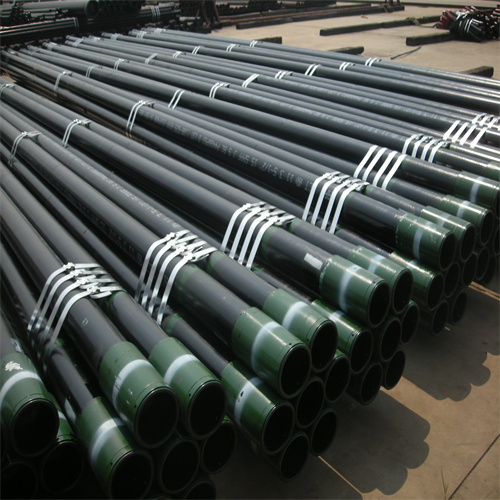
Traditionally, Steel has been the Material of choice for Oil Casing due to its strength and durability. However, the inherent limitations of steel, particularly its susceptibility to corrosion and fatigue under harsh conditions, have prompted researchers and engineers to explore alternative materials. One promising aveNue of research involves the development of advanced composite materials, which combine the beneficial properties of different substances to create a product that is both lightWeight and exceptionally strong. These composites can be engineered to resist corrosion and wear, making them suitable for use in environments where traditional steel casings might fail.
Another area of focus in the search for resilient materials is the use of high-performance polymers. These materials exhibit remarkable resistance to chemical degradation and can maintain their mechanical properties even at elevated temperatures. The incorporation of polymers into oil casing applications can significantly reduce the risk of failure due to corrosion, particularly in environments where aggressive fluids are present. Furthermore, the flexibility of polymers allows for easier installation and handling, which can enhance operational efficiency during drilling and completion activities.
oil paint set in case for artistsIn addition to composites and polymers, researchers are also investigating the potential of novel metal alloys that offer improved resistance to corrosion and mechanical stress. For instance, nickel-based alloys have gained attention for their exceptional performance in sour Gas environments, where hydrogen sulfide can lead to severe corrosion of conventional steel casings. By optimizing the composition and processing of these alloys, it is possible to create materials that not only meet the stringent requirements of oil casing applications but also extend the lifespan of the casing, thereby reducing the frequency of costly replacements.
The integration of resilient materials into oil casing systems is not merely a matter of material selection; it also involves a comprehensive understanding of the operational environment. Factors such as temperature fluctuations, pressure variations, and the chemical composition of the fluids being extracted must all be considered when designing casing systems. Advanced modeling techniques and simulations can aid in predicting the performance of different materials under specific conditions, allowing engineers to make informed decisions about material selection and casing design.
Moreover, the ongoing development of Non-destructive testing methods plays a crucial role in ensuring the integrity of resilient materials used in oil casing applications. These techniques enable operators to monitor the condition of the casing throughout its operational life, identifying potential issues before they lead to catastrophic failures. By combining resilient materials with robust monitoring systems, the Oil and Gas industry can enhance the safety and reliability of its operations.
In conclusion, the research and development of resilient materials for oil casing applications represent a vital area of focus within the oil and gas industry. As the challenges associated with extraction continue to evolve, the need for innovative materials that can withstand extreme conditions becomes increasingly important. By leveraging advanced composites, high-performance polymers, and novel metal alloys, the industry can improve the safety, efficiency, and sustainability of oil extraction processes, ultimately contributing to a more resilient energy future.