Kutekeleza Teknolojia ya Kina kwa Uhakikisho wa Ubora wa Njia ya Mafuta nchini Uchina
Mbinu Bora za Kuhakikisha Ubora wa Juu katika Utengenezaji wa Njia za Mafuta

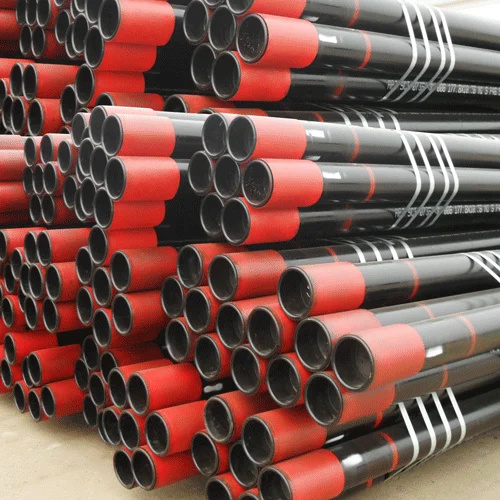
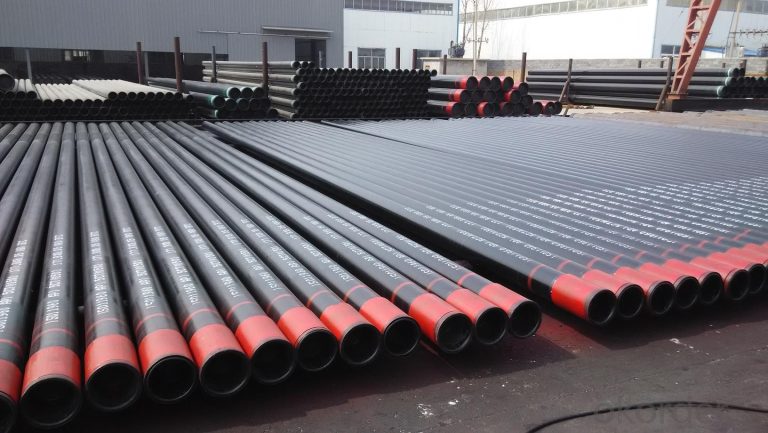
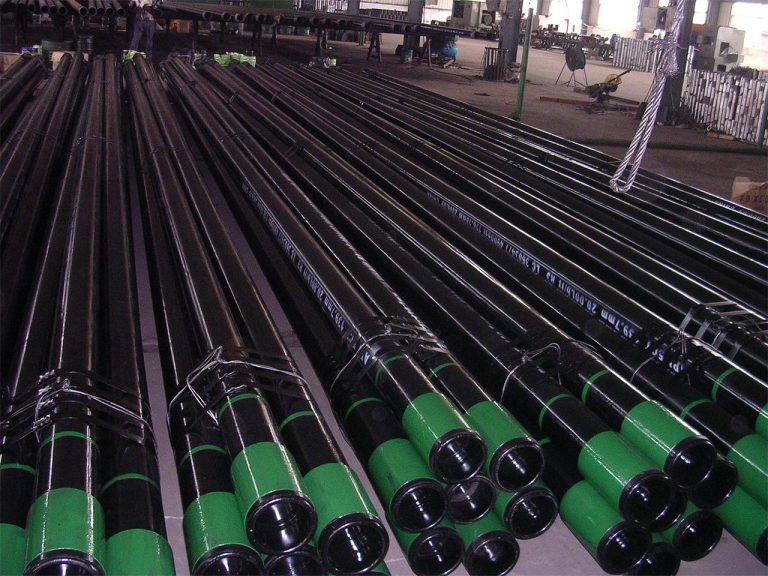
PETROLEUM Casing Pipe Best China Factory
Uzingatiaji wa Udhibiti na Viwango vya Ubora kwa Uzalishaji wa Laini ya Mafuta nchini Uchina
Programu zinazoongoza za uhakikisho wa ubora wa njia za mafuta nchini Uchina: tano bora
Uzalishaji wa njia za mafuta nchini Uchina ni sekta muhimu inayodai uzingatiaji wa udhibiti na uzingatiaji wa viwango vya ubora wa juu. Kuhakikisha ubora wa njia za mafuta ni muhimu ili kuzuia uvujaji, uvujaji, na hatari zingine za mazingira. Katika makala haya, tutaangazia programu tano bora za uhakikisho wa ubora ambazo zinaongoza katika tasnia ya njia ya mafuta ya Uchina.
Kwanza kabisa, uthibitisho wa ISO 9001 unasimama nje kama msingi wa uhakikisho wa ubora katika uzalishaji wa laini za mafuta. Kiwango hiki kinachotambulika kimataifa huweka kigezo cha mifumo ya usimamizi wa ubora na kusisitiza umakini mkubwa wa wateja, mbinu ya mchakato na uboreshaji unaoendelea. Makampuni ambayo yana uidhinishaji wa ISO 9001 yanaonyesha kujitolea kwao kuwasilisha bidhaa zinazokidhi mahitaji ya udhibiti na matarajio ya wateja.
Pili, uthibitishaji wa API Q1 una jukumu muhimu katika kuhakikisha ubora wa njia za mafuta nchini Uchina. Iliyoundwa na Taasisi ya Petroli ya Marekani, API Q1 inalenga katika muundo, utengenezaji, na huduma ya bidhaa katika sekta ya mafuta na gesi. Makampuni yanayofuata viwango vya API Q1 yanaonyesha kujitolea kwao kwa usimamizi wa ubora na uboreshaji unaoendelea, na hivyo kuimarisha kutegemewa na usalama wa bidhaa za laini ya mafuta.
Mbali na uidhinishaji wa kimataifa, China ina seti yake ya viwango vya ubora kwa ajili ya uzalishaji wa laini ya mafuta. Kiwango cha GB/T 19001-2016, kwa kuzingatia mfumo wa ISO 9001, kinakubaliwa sana na watengenezaji wa laini za mafuta wa China ili kuhakikisha ubora na uthabiti wa bidhaa zao. Utiifu wa GB/T 19001-2016 unaonyesha dhamira ya kampuni ya kukidhi mahitaji ya ubora wa kitaifa na kimataifa.
Aidha, utekelezaji wa mbinu za Six Sigma umepata nguvu katika sekta ya mafuta ya China kama njia ya kuboresha ubora na ufanisi. Kwa kuzingatia kupunguza kasoro na tofauti katika michakato ya uzalishaji, Six Sigma husaidia makampuni kufikia viwango vya juu vya ubora na kuridhika kwa wateja. Kampuni zinazokubali kanuni za Six Sigma zinaonyesha kujitolea kwao katika uboreshaji unaoendelea na ubora wa utendaji.
Mwisho kabisa, kupitishwa kwa teknolojia za hali ya juu kama vile AI na IoT kunaleta mapinduzi katika uhakikisho wa ubora katika uzalishaji wa njia za mafuta nchini China. Kwa kutumia uchanganuzi wa data na ufuatiliaji wa wakati halisi, makampuni yanaweza kutambua kwa makini masuala ya ubora, kuboresha michakato ya uzalishaji na kuhakikisha kutegemewa kwa bidhaa za laini ya mafuta. Ujumuishaji wa AI na IoT sio tu kwamba huongeza uhakikisho wa ubora lakini pia huchochea uvumbuzi na ushindani katika sekta hiyo.
Kwa kumalizia, programu zinazoongoza za uhakikisho wa ubora wa njia ya mafuta nchini China zina sifa ya msisitizo mkubwa wa uthibitishaji wa kimataifa, viwango vya ubora wa kitaifa, Six Sigma. mbinu, na teknolojia ya hali ya juu. Kwa kutanguliza uhakikisho wa ubora, makampuni katika sekta ya mafuta ya China yanaweza kuzingatia uzingatiaji wa udhibiti, kufikia matarajio ya wateja, na kuendeleza ukuaji endelevu katika soko la kimataifa.
Secondly, investing in state-of-the-art technology is key to maintaining quality standards. Utilizing advanced equipment for testing and monitoring the Oil line manufacturing process helps in detecting any deviations or defects early on. This proactive approach minimizes the risk of substandard products reaching the market.
Furthermore, continuous training and skill development for personnel involved in the manufacturing process are essential. By providing regular training sessions on quality control procedures and best practices, employees are better equipped to identify and address quality issues promptly. This ongoing investment in human resources pays off in the form of consistently high-quality output.
In addition to internal quality control measures, fostering strong partnerships with Suppliers is crucial. Collaborating closely with suppliers to establish quality requirements and conducting regular audits ensures that raw Materials meet the necessary standards. This collaborative approach extends quality assurance beyond the manufacturing facility to the entire supply chain.
Lastly, implementing a robust quality management system that includes thorough documentation and traceability is vital. Maintaining detailed records of the manufacturing process, inspections, and testing results enables quick identification of any quality issues and facilitates timely corrective actions. This systematic approach enhances transparency and accountability in the quality assurance process.
In conclusion, leading oil line quality assurance programs in China requires a comprehensive approach that encompasses adherence to standards, technological investments, continuous training, supplier partnerships, and a robust quality management system. By following these best practices, oil line Manufacturers can uphold top quality standards, ensure product reliability, and contribute to the overall success of the oil industry in China.
Regulatory Compliance and Quality Standards for Oil Line production in China
Leading oil line quality assurance programs in China: top five
Oil line production in China is a critical sector that demands stringent regulatory compliance and adherence to high-quality standards. Ensuring the quality of oil lines is paramount to prevent leaks, spills, and other environmental hazards. In this article, we will delve into the top five quality assurance programs that are leading the way in China’s oil line industry.
First and foremost, the ISO 9001 certification stands out as a cornerstone of quality assurance in oil line production. This internationally recognized standard sets the benchmark for quality management systems and emphasizes a strong customer focus, process approach, and continual improvement. Companies that hold ISO 9001 certification demonstrate their commitment to delivering products that meet regulatory requirements and customer expectations.
Secondly, the API Q1 certification plays a vital role in ensuring the quality of oil lines in China. Developed by the American Petroleum Institute, API Q1 focuses on the design, manufacturing, and service of products in the Oil and Gas industry. Companies that adhere to API Q1 standards demonstrate their dedication to quality management and continuous improvement, thereby enhancing the reliability and safety of oil line products.
In addition to international certifications, China has its own set of quality standards for oil line production. The GB/T 19001-2016 standard, based on the ISO 9001 framework, is widely adopted by chinese oil line manufacturers to ensure the quality and consistency of their products. Compliance with GB/T 19001-2016 demonstrates a Company‘s commitment to meeting both national and international quality requirements.
Furthermore, the implementation of Six Sigma methodologies has gained traction in China’s oil line industry as a means to improve quality and efficiency. By focusing on reducing defects and variations in production processes, Six Sigma helps companies achieve higher levels of quality and customer satisfaction. Companies that embrace Six Sigma principles demonstrate their dedication to continuous improvement and operational excellence.
Last but not least, the adoption of advanced technologies such as AI and IoT is revolutionizing quality assurance in China’s oil line production. By leveraging data analytics and real-time monitoring, companies can proactively identify quality issues, optimize production processes, and ensure the reliability of oil line products. The integration of AI and IoT not only enhances quality assurance but also drives innovation and competitiveness in the industry.
In conclusion, leading oil line quality assurance programs in China are characterized by a strong emphasis on international certifications, national quality standards, Six Sigma methodologies, and advanced technologies. By prioritizing quality assurance, companies in China’s oil line industry can uphold regulatory compliance, meet customer expectations, and drive sustainable growth in the global market.