Implementing Advanced Technology for Oil Line Quality Assurance in china
Leading oil line quality assurance programs in China: top five
Implementing Advanced Technology for Oil Line Quality Assurance in China
Quality assurance in the oil industry is paramount to ensure the safety and efficiency of operations. In China, where the demand for oil contiNues to rise, implementing advanced technology for oil line quality assurance has become a top priority. By leveraging cutting-edge solutions, Companies can enhance their processes, minimize risks, and maintain high standards of quality.

One of the key technologies revolutionizing oil line quality assurance in China is the use of advanced sensors. These sensors are capable of monitoring various parameters such as temperature, pressure, and flow rates in real-time. By collecting and analyzing this data, companies can detect anomalies early on, allowing them to take proactive measures to prevent potential issues.
In addition to sensors, the adoption of artificial intelligence (AI) and machine learning algorithms has significantly improved the quality assurance process in the oil industry. These technologies enable predictive Maintenance, where algorithms can forecast equipment failures before they occur. This proactive approach not only reduces downtime but also enhances overall operational efficiency.
Furthermore, the integration of Internet of Things (IoT) devices has streamlined data collection and analysis in oil line quality assurance. IoT devices can communicate with each other and with central systems, providing a comprehensive view of the entire operation. This interconnected network allows for better decision-making and faster response times to any deviations from the norm.
Another crucial aspect of implementing advanced technology for oil line quality assurance is the use of blockchain technology. Blockchain offers a secure and transparent way to record and track data related to quality assurance processes. By utilizing blockchain, companies can ensure the integrity and authenticity of their data, enhancing trust among stakeholders and regulatory bodies.
Moreover, the implementation of remote monitoring and control systems has revolutionized how oil line quality assurance is managed in China. These systems enable real-time monitoring of operations from anywhere, allowing for immediate intervention in case of emergencies or deviations. This level of control not only improves safety but also optimizes resource utilization.
In conclusion, leading oil line quality assurance programs in China rely on the integration of advanced technologies to enhance efficiency, safety, and quality standards. By leveraging sensors, AI, IoT, blockchain, and remote monitoring systems, companies can stay ahead of potential issues, minimize risks, and ensure Smooth operations. As the oil industry continues to evolve, embracing these technologies will be crucial for maintaining a competitive edge and meeting the growing demands of the market.
Best Practices for Ensuring Top Quality in Oil Line Manufacturing
Leading oil line quality assurance programs in China: top five best practices for ensuring top quality in oil line manufacturing.
Quality assurance in oil line manufacturing is crucial to ensure the safety and efficiency of operations in the oil industry. In China, where oil production plays a significant role in the economy, implementing top-notch quality assurance programs is essential. Here are the top five best practices for leading oil line quality assurance programs in China.
First and foremost, adherence to international standards is paramount. Following recognized standards such as ISO 9001 ensures that the manufacturing processes meet global quality benchmarks. This not only enhances the credibility of the products but also facilitates international trade by demonstrating compliance with industry norms.
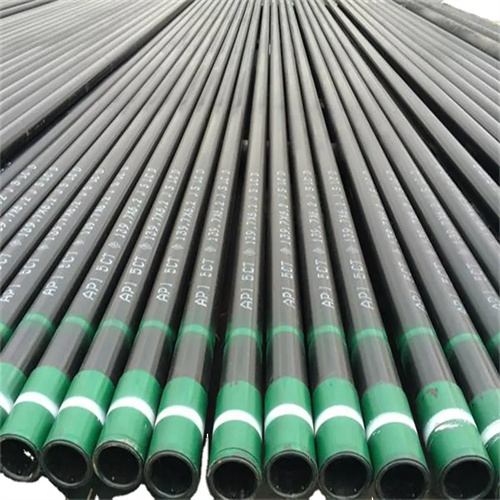
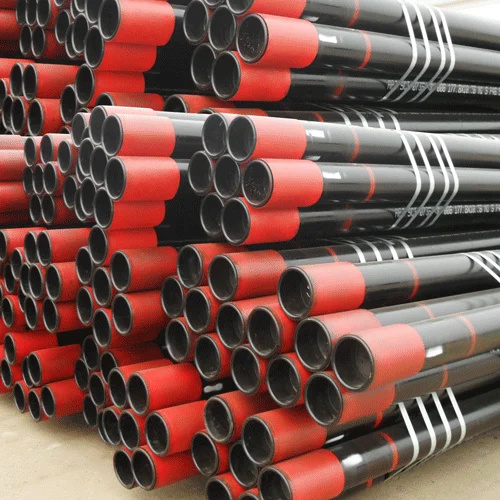
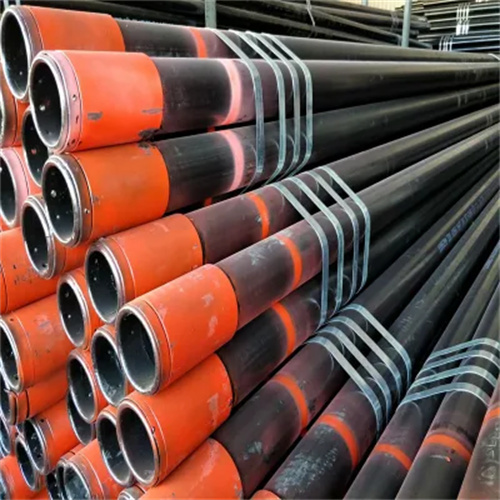
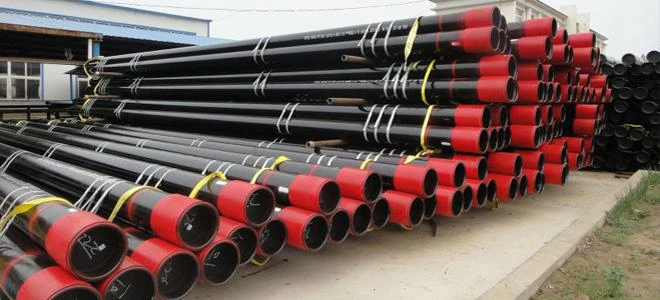
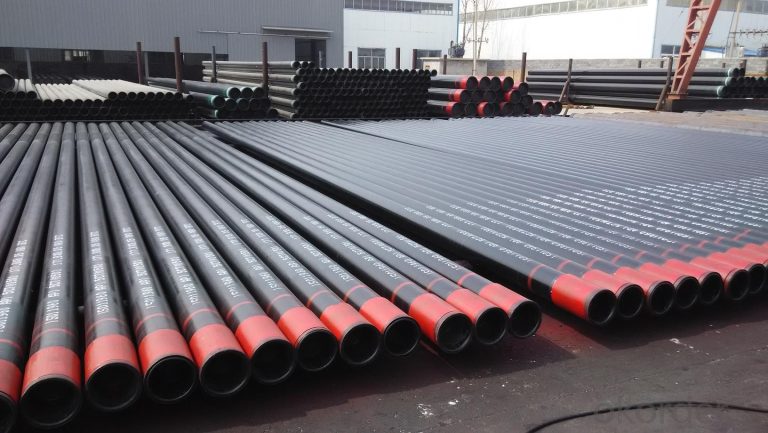
PETROLEUM Casing Pipe Best China Factory
Secondly, investing in state-of-the-art technology is key to maintaining quality standards. Utilizing advanced equipment for testing and monitoring the oil line manufacturing process helps in detecting any deviations or defects early on. This proactive approach minimizes the risk of substandard products reaching the market.
Furthermore, continuous training and skill development for personnel involved in the manufacturing process are essential. By providing regular training sessions on quality control procedures and best practices, employees are better equipped to identify and address quality issues promptly. This ongoing investment in human resources pays off in the form of consistently high-quality output.
In addition to internal quality control measures, fostering strong partnerships with Suppliers is crucial. Collaborating closely with suppliers to establish quality requirements and conducting regular audits ensures that raw Materials meet the necessary standards. This collaborative approach extends quality assurance beyond the manufacturing facility to the entire supply chain.
Lastly, implementing a robust quality management system that includes thorough documentation and traceability is vital. Maintaining detailed records of the manufacturing process, inspections, and testing results enables quick identification of any quality issues and facilitates timely corrective actions. This systematic approach enhances transparency and accountability in the quality assurance process.
In conclusion, leading oil line quality assurance programs in China requires a comprehensive approach that encompasses adherence to standards, technological investments, continuous training, supplier partnerships, and a robust quality management system. By following these best practices, oil line Manufacturers can uphold top quality standards, ensure product reliability, and contribute to the overall success of the oil industry in China.
Regulatory Compliance and Quality Standards for Oil Line Production in China
Leading oil line quality assurance programs in China: top five
Oil line production in China is a critical sector that demands stringent regulatory compliance and adherence to high-quality standards. Ensuring the quality of oil lines is paramount to prevent leaks, spills, and other environmental hazards. In this article, we will delve into the top five quality assurance programs that are leading the way in China’s oil line industry.
First and foremost, the ISO 9001 certification stands out as a cornerstone of quality assurance in oil line production. This internationally recognized standard sets the benchmark for quality management systems and emphasizes a strong customer focus, process approach, and continual improvement. Companies that hold ISO 9001 certification demonstrate their commitment to delivering products that meet regulatory requirements and customer expectations.
Secondly, the API Q1 certification plays a vital role in ensuring the quality of oil lines in China. Developed by the American Petroleum Institute, API Q1 focuses on the design, manufacturing, and service of products in the Oil and Gas industry. Companies that adhere to API Q1 standards demonstrate their dedication to quality management and continuous improvement, thereby enhancing the reliability and safety of oil line products.
In addition to international certifications, China has its own set of quality standards for oil line production. The GB/T 19001-2016 standard, based on the ISO 9001 framework, is widely adopted by chinese oil line manufacturers to ensure the quality and consistency of their products. Compliance with GB/T 19001-2016 demonstrates a Company‘s commitment to meeting both national and international quality requirements.
Furthermore, the implementation of Six Sigma methodologies has gained traction in China’s oil line industry as a means to improve quality and efficiency. By focusing on reducing defects and variations in production processes, Six Sigma helps companies achieve higher levels of quality and customer satisfaction. Companies that embrace Six Sigma principles demonstrate their dedication to continuous improvement and operational excellence.
Last but not least, the adoption of advanced technologies such as AI and IoT is revolutionizing quality assurance in China’s oil line production. By leveraging data analytics and real-time monitoring, companies can proactively identify quality issues, optimize production processes, and ensure the reliability of oil line products. The integration of AI and IoT not only enhances quality assurance but also drives innovation and competitiveness in the industry.
In conclusion, leading oil line quality assurance programs in China are characterized by a strong emphasis on international certifications, national quality standards, Six Sigma methodologies, and advanced technologies. By prioritizing quality assurance, companies in China’s oil line industry can uphold regulatory compliance, meet customer expectations, and drive sustainable growth in the global market.