Changamoto za Uendelevu katika Teknolojia ya Uwekaji Mafuta
Ubunifu na Fursa za Kupunguza Athari kwa Mazingira katika Teknolojia ya Uwekaji Mafuta

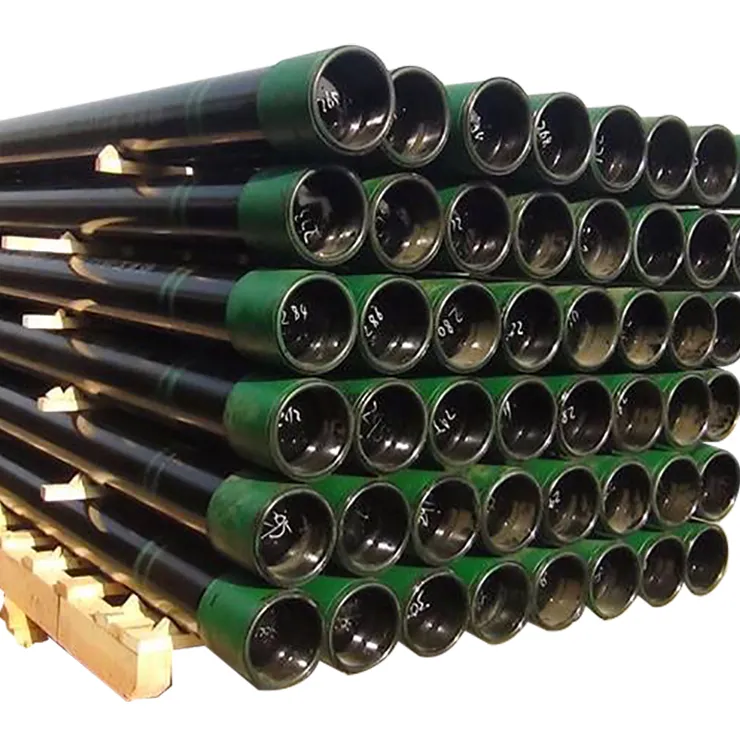
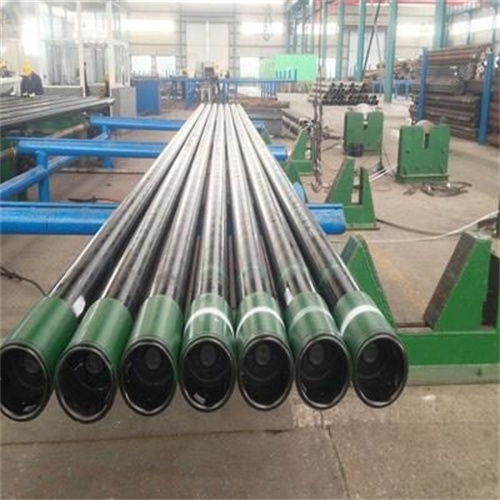
API 5ct J55 Tubing Mfanyabiashara Bora wa Jumla wa Kichina
Ulandanishi wa Malengo ya Mazingira na Maendeleo ya Kiteknolojia katika Sekta ya Uwekaji Mafuta
Sekta ya kuhifadhi mafuta iko katika wakati muhimu ambapo masuala ya mazingira na maendeleo ya kiteknolojia yanapishana, yakiwasilisha changamoto na fursa. Wakati ulimwengu unapozidi kuzingatia uendelevu na kupunguza alama za kaboni, sekta ya mafuta na gesi inakabiliwa na shinikizo kubwa la kuoanisha mazoea yake na malengo ya mazingira. Mabadiliko haya kuelekea ufahamu wa mazingira yamesababisha tasnia kutathmini upya mbinu zake za kitamaduni na kutafuta masuluhisho ya kibunifu yanayoweza kupunguza athari za shughuli za uwekaji mafuta kwenye mazingira.
Mojawapo ya changamoto kuu katika kusawazisha malengo ya mazingira na maendeleo ya kiteknolojia katika tasnia ya uwekaji mafuta. iko katika asili ya michakato ya uchimbaji wa mafuta. Uchimbaji wa mafuta kutoka ndani kabisa ya ganda la dunia mara nyingi huhusisha shughuli changamano za kuchimba visima ambazo zinaweza kuwa na madhara makubwa ya kimazingira ikiwa hazitasimamiwa ipasavyo. Matumizi ya maganda ya mafuta, ambayo ni sehemu muhimu katika shughuli za uchimbaji, yanaleta changamoto nyingi kutokana na uwezekano wake wa kuvuja vitu vyenye madhara kwenye udongo na vyanzo vya maji vinavyozunguka.
Ili kukabiliana na changamoto hizi, sekta hii inazidi kugeukia matumizi ya hali ya juu. teknolojia zinazoweza kuongeza utendaji wa mazingira wa shughuli za kabati la mafuta. Ubunifu kama vile vifunGashio mahiri vilivyo na vitambuzi na vifaa vya kufuatilia hutoa data ya wakati halisi kuhusu uadilifu wa kabati, hivyo kuruhusu waendeshaji kugundua na kuzuia uvujaji kabla haujaongezeka. Zaidi ya hayo, uundaji wa nyenzo za kuhifadhia mazingira zinazostahimili kutu na uharibifu zinaweza kusaidia kupunguza hatari za kimazingira zinazohusiana na shughuli za uchimbaji wa mafuta.
Licha ya maendeleo haya ya kiteknolojia, usawazishaji wa malengo ya mazingira na teknolojia ya kiganja cha mafuta pia unahitaji mabadiliko katika tasnia. mawazo na mazoea. Makampuni yanayofanya kazi katika sekta ya mafuta na gesi lazima yachukue mbinu ya jumla ambayo haizingatii tu vipengele vya kiufundi vya kubuni na uendeshaji wa Casing lakini pia athari pana zaidi ya mazingira ya shughuli zao. Hii ni pamoja na kutekeleza mifumo thabiti ya usimamizi wa mazingira, kufanya ukaguzi wa mara kwa mara wa mazingira, na kuwekeza katika mazoea endelevu ambayo yanapunguza kiwango cha jumla cha kaboni ya tasnia.
Aidha, ushirikiano kati ya wadau wa tasnia, mashirika ya udhibiti na mashirika ya mazingira ni muhimu ili kuleta mabadiliko ya maana katika mafuta. sekta ya casing. Kwa kufanya kazi pamoja ili kuanzisha viwango na mbinu bora za sekta nzima, washikadau wanaweza kuhakikisha kuwa malengo ya mazingira yanapewa kipaumbele na kuunganishwa katika kila kipengele cha ukuzaji na uwekaji wa teknolojia ya kabati la mafuta.
Kwa kumalizia, usawazishaji wa malengo ya mazingira na maendeleo ya kiteknolojia katika mafuta. sekta ya casing inatoa mazingira changamano lakini ya kuahidi. Kwa kukumbatia uvumbuzi, kupitisha mazoea endelevu, na kukuza ushirikiano, tasnia inaweza kushinda changamoto na kuchukua fursa ili kuunda sekta ya kuhifadhi mafuta inayowajibika zaidi kwa mazingira na ufanisi. Safari hii ya mageuzi kuelekea utunzaji wa mazingira inahitaji juhudi za pamoja kutoka kwa washikadau wote wanaohusika, lakini thawabu katika suala la uhifadhi wa mazingira na uendelevu wa muda mrefu zina thamani ya uwekezaji.
API 5CT J55 tubing Best chinese wholesaler
In the quest for sustainable Oil Casing technology, there are opportunities to enhance the design and Materials used in casings. The development of eco-friendly casing materials, such as biodegradable polymers and composite materials, can reduce the environmental footprint of Oil and Gas operations. Additionally, innovative casing designs that improve durability and resistance to corrosion can extend the lifespan of wells and reduce the need for frequent replacements, further enhancing environmental sustainability.
Collaboration between industry stakeholders, regulators, and environmental organizations is essential to drive progress in environmental stewardship within the oil and gas sector. By sharing best practices, implementing stringent environmental standards, and investing in research and development, the industry can overcome challenges and capitalize on opportunities to minimize its environmental impact.
In conclusion, the shift towards environmental sustainability in oil casing technology presents both challenges and opportunities for the industry. By embracing innovation, adopting best practices, and fostering collaboration, oil and gas Companies can navigate the evolving environmental landscape and contribute to a more sustainable future for the sector.
Synchronization of Environmental Goals and Technological Advancements in Oil Casing Industry
The oil casing industry stands at a critical juncture where environmental concerns and technological advancements intersect, presenting both challenges and opportunities. As the world increasingly focuses on sustainability and reducing carbon footprints, the oil and gas sector faces mounting pressure to align its practices with environmental goals. This shift towards environmental consciousness has prompted the industry to reevaluate its traditional approaches and explore innovative solutions that can mitigate the impact of oil casing operations on the environment.
One of the key challenges in synchronizing environmental goals with technological advancements in the oil casing industry lies in the inherent nature of oil extraction processes. Extracting oil from deep within the earth’s crust often involves complex drilling operations that can have significant environmental consequences if not managed effectively. The use of oil casings, which are essential components in drilling operations, presents a unique set of challenges due to their potential to leak harmful substances into the surrounding soil and water sources.
To address these challenges, the industry is increasingly turning to advanced technologies that can enhance the environmental performance of oil casing operations. Innovations such as smart casings equipped with sensors and monitoring devices offer real-time data on casing integrity, allowing operators to detect and prevent leaks before they escalate. Additionally, the development of eco-friendly casing materials that are resistant to corrosion and degradation can help minimize environmental risks associated with oil extraction activities.
Despite these technological advancements, the synchronization of environmental goals with oil casing technology also requires a shift in industry mindset and practices. Companies operating in the oil and gas sector must adopt a holistic approach that considers not only the technical aspects of casing design and operation but also the broader environmental impact of their activities. This includes implementing stringent environmental management systems, conducting regular environmental audits, and investing in sustainable practices that reduce the industry’s overall carbon footprint.
Moreover, collaboration between industry stakeholders, regulatory bodies, and environmental organizations is essential to drive meaningful change in the oil casing sector. By working together to establish industry-wide standards and best practices, stakeholders can ensure that environmental goals are prioritized and integrated into every aspect of oil casing technology development and deployment.
In conclusion, the synchronization of environmental goals and technological advancements in the oil casing industry presents a complex yet promising landscape. By embracing innovation, adopting sustainable practices, and fostering collaboration, the industry can overcome challenges and seize opportunities to create a more environmentally responsible and efficient oil casing sector. This transformative journey towards environmental stewardship requires a collective effort from all stakeholders involved, but the rewards in terms of environmental preservation and long-term sustainability are well worth the investment.