تحديات الاستدامة في تكنولوجيا تغليف النفط
الابتكارات والفرص للحد من الأثر البيئي في تكنولوجيا تغليف النفط

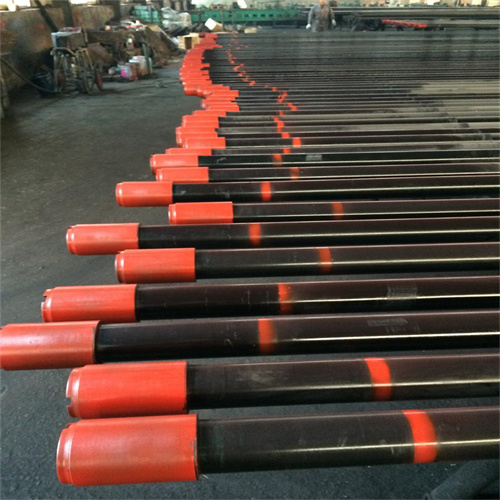
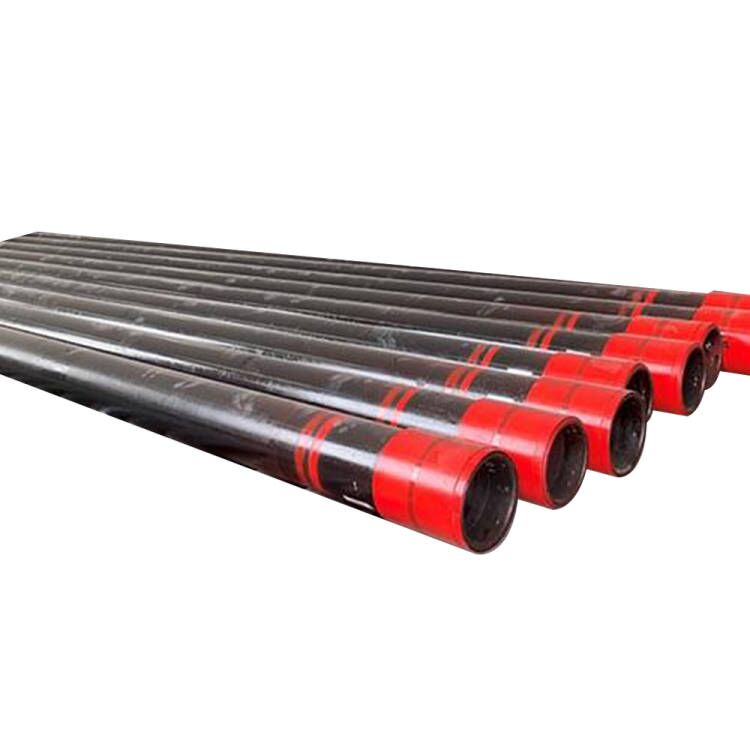
API 5ct J55 Tubing أفضل تاجر جملة صيني
تزامن الأهداف البيئية والتقدم التكنولوجي في صناعة أغلفة النفط
تقف صناعة أغلفة النفط عند منعطف حرج حيث تتقاطع الاهتمامات البيئية والتقدم التكنولوجي، مما يمثل تحديات وفرصًا. مع تركيز العالم بشكل متزايد على الاستدامة والحد من آثار الكربون، يواجه قطاع النفط والغاز ضغوطًا متزايدة لمواءمة ممارساته مع الأهداف البيئية. دفع هذا التحول نحو الوعي البيئي الصناعة إلى إعادة تقييم مناهجها التقليدية واستكشاف حلول مبتكرة يمكن أن تخفف من تأثير عمليات تغليف النفط على البيئة.
أحد التحديات الرئيسية في مزامنة الأهداف البيئية مع التقدم التكنولوجي في صناعة أغلفة النفط تكمن في الطبيعة المتأصلة لعمليات استخراج النفط. غالبًا ما ينطوي استخراج النفط من أعماق القشرة الأرضية على عمليات حفر معقدة يمكن أن يكون لها عواقب بيئية كبيرة إذا لم تتم إدارتها بشكل فعال. يمثل استخدام أغلفة النفط، والتي تعد مكونات أساسية في عمليات الحفر، مجموعة فريدة من التحديات نظرًا لقدرتها على تسرب المواد الضارة إلى التربة ومصادر المياه المحيطة.
لمواجهة هذه التحديات، تتجه الصناعة بشكل متزايد إلى التقنيات المتقدمة. التقنيات التي يمكن أن تعزز الأداء البيئي لعمليات تغليف النفط. توفر الابتكارات مثل الأغلفة الذكية المجهزة بأجهزة استشعار وأجهزة مراقبة بيانات في الوقت الفعلي حول سلامة الأغلفة، مما يسمح للمشغلين باكتشاف التسريبات ومنعها قبل أن تتصاعد. بالإضافة إلى ذلك، فإن تطوير مواد تغليف صديقة للبيئة مقاومة للتآكل والتدهور يمكن أن يساعد في تقليل المخاطر البيئية المرتبطة بأنشطة استخراج النفط.
على الرغم من هذه التطورات التكنولوجية، فإن تزامن الأهداف البيئية مع تكنولوجيا أغلفة النفط يتطلب أيضًا تحولًا في الصناعة. العقلية والممارسات. يجب على الشركات العاملة في قطاع النفط والغاز أن تتبنى نهجًا شاملاً لا يأخذ في الاعتبار الجوانب الفنية لتصميم وتشغيل الغلاف فحسب، بل أيضًا التأثير البيئي الأوسع لأنشطتها. يتضمن ذلك تنفيذ أنظمة إدارة بيئية صارمة، وإجراء عمليات تدقيق بيئي منتظمة، والاستثمار في الممارسات المستدامة التي تقلل من البصمة الكربونية الإجمالية للصناعة.
علاوة على ذلك، يعد التعاون بين أصحاب المصلحة في الصناعة والهيئات التنظيمية والمنظمات البيئية أمرًا ضروريًا لإحداث تغيير هادف في مجال النفط. قطاع الغلاف. من خلال العمل معًا لوضع معايير وأفضل الممارسات على مستوى الصناعة، يمكن لأصحاب المصلحة ضمان إعطاء الأولوية للأهداف البيئية ودمجها في كل جانب من جوانب تطوير ونشر تكنولوجيا أغلفة النفط.
في الختام، تزامن الأهداف البيئية والتقدم التكنولوجي في النفط تقدم صناعة الغلاف مشهدًا معقدًا ولكنه واعد. ومن خلال احتضان الابتكار، واعتماد ممارسات مستدامة، وتعزيز التعاون، يمكن للصناعة التغلب على التحديات واغتنام الفرص لإنشاء قطاع أغلفة النفط أكثر مسؤولية وكفاءة من الناحية البيئية. تتطلب هذه الرحلة التحويلية نحو الإشراف البيئي جهدًا جماعيًا من جميع أصحاب المصلحة المعنيين، ولكن المكافآت من حيث الحفاظ على البيئة والاستدامة طويلة الأجل تستحق الاستثمار.
API 5CT J55 tubing Best chinese wholesaler
In the quest for sustainable Oil Casing technology, there are opportunities to enhance the design and Materials used in casings. The development of eco-friendly casing materials, such as biodegradable polymers and composite materials, can reduce the environmental footprint of Oil and Gas operations. Additionally, innovative casing designs that improve durability and resistance to corrosion can extend the lifespan of wells and reduce the need for frequent replacements, further enhancing environmental sustainability.
Collaboration between industry stakeholders, regulators, and environmental organizations is essential to drive progress in environmental stewardship within the oil and gas sector. By sharing best practices, implementing stringent environmental standards, and investing in research and development, the industry can overcome challenges and capitalize on opportunities to minimize its environmental impact.
In conclusion, the shift towards environmental sustainability in oil casing technology presents both challenges and opportunities for the industry. By embracing innovation, adopting best practices, and fostering collaboration, oil and gas Companies can navigate the evolving environmental landscape and contribute to a more sustainable future for the sector.
Synchronization of Environmental Goals and Technological Advancements in Oil Casing Industry
The oil casing industry stands at a critical juncture where environmental concerns and technological advancements intersect, presenting both challenges and opportunities. As the world increasingly focuses on sustainability and reducing carbon footprints, the oil and gas sector faces mounting pressure to align its practices with environmental goals. This shift towards environmental consciousness has prompted the industry to reevaluate its traditional approaches and explore innovative solutions that can mitigate the impact of oil casing operations on the environment.
One of the key challenges in synchronizing environmental goals with technological advancements in the oil casing industry lies in the inherent nature of oil extraction processes. Extracting oil from deep within the earth’s crust often involves complex drilling operations that can have significant environmental consequences if not managed effectively. The use of oil casings, which are essential components in drilling operations, presents a unique set of challenges due to their potential to leak harmful substances into the surrounding soil and water sources.
To address these challenges, the industry is increasingly turning to advanced technologies that can enhance the environmental performance of oil casing operations. Innovations such as smart casings equipped with sensors and monitoring devices offer real-time data on casing integrity, allowing operators to detect and prevent leaks before they escalate. Additionally, the development of eco-friendly casing materials that are resistant to corrosion and degradation can help minimize environmental risks associated with oil extraction activities.
Despite these technological advancements, the synchronization of environmental goals with oil casing technology also requires a shift in industry mindset and practices. Companies operating in the oil and gas sector must adopt a holistic approach that considers not only the technical aspects of casing design and operation but also the broader environmental impact of their activities. This includes implementing stringent environmental management systems, conducting regular environmental audits, and investing in sustainable practices that reduce the industry’s overall carbon footprint.
Moreover, collaboration between industry stakeholders, regulatory bodies, and environmental organizations is essential to drive meaningful change in the oil casing sector. By working together to establish industry-wide standards and best practices, stakeholders can ensure that environmental goals are prioritized and integrated into every aspect of oil casing technology development and deployment.
In conclusion, the synchronization of environmental goals and technological advancements in the oil casing industry presents a complex yet promising landscape. By embracing innovation, adopting sustainable practices, and fostering collaboration, the industry can overcome challenges and seize opportunities to create a more environmentally responsible and efficient oil casing sector. This transformative journey towards environmental stewardship requires a collective effort from all stakeholders involved, but the rewards in terms of environmental preservation and long-term sustainability are well worth the investment.