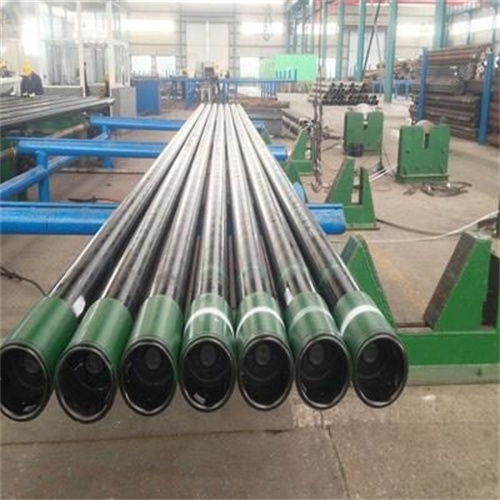
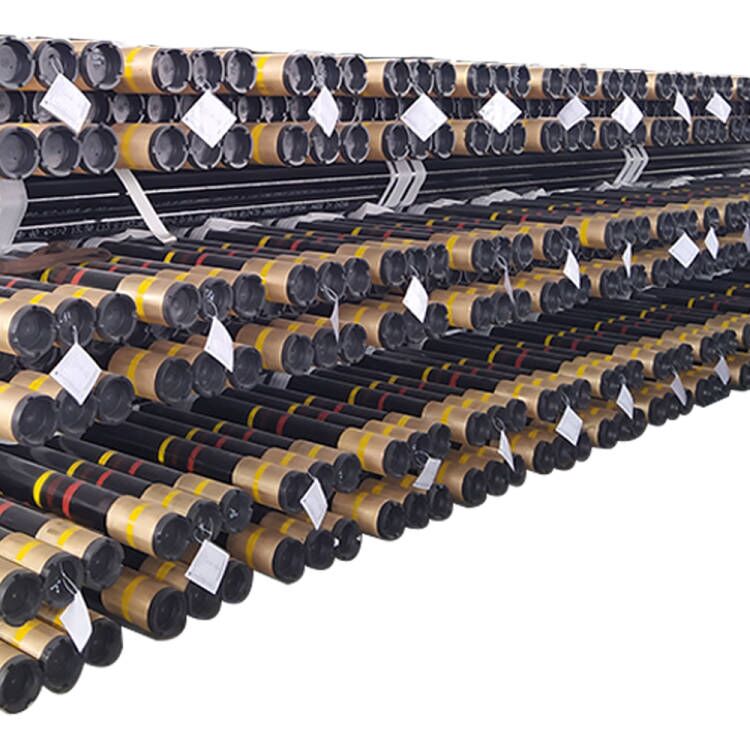
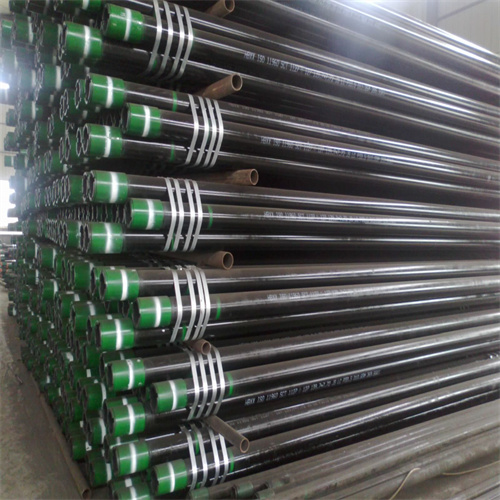
Changamoto za Uendelevu katika Teknolojia ya Uwekaji Mafuta
Tathmini ya Athari kwa Mazingira ya Teknolojia ya Uwekaji Mafuta
aina gani ya mafuta hutumiwa katika kesi ya uhamishaji
Fursa za Fusion katika Teknolojia ya Kuweka Mafuta
Ulehemu wa kuunganisha hutoa manufaa mbalimbali yanayoweza kushughulikia changamoto kuu zinazokabili teknolojia za kitamaduni za uwekaji kabati. Moja ya faida za msingi za kulehemu kwa fusion ni uwezo wake wa kuunda viungo visivyo na mshono, kupunguza hatari ya uvujaji na kuboresha uadilifu wa jumla wa muundo. Kwa kuondoa hitaji la miunganisho yenye nyuzi, vifuniko vilivyounganishwa vinaweza kuimarisha uwezo wa kisima kustahimili kutu na shinikizo, na hivyo kusababisha ongezeko la ufanisi wa utendakazi na usalama.
Aidha, kulehemu kwa kuunganisha huwezesha kubinafsisha miundo ya kabati ili kuendana na hali na mahitaji mahususi ya kisima. . Unyumbufu huu katika muundo hufungua fursa za kuboresha utendaji wa Casing katika mazingira magumu, kama vile visima vya shinikizo la juu au joto la juu. Kwa kurekebisha jiometri ya casing na utungaji wa nyenzo kupitia kulehemu kwa kuunganisha, waendeshaji wanaweza kuimarisha uaminifu wa jumla na maisha marefu ya visima vyao.
Mbali na uboreshaji wa utendakazi, teknolojia ya kulehemu kwa kuunganisha pia inatoa manufaa ya kimazingira. Viungo visivyo na mshono vilivyoundwa kwa njia ya kulehemu kwa mchanganyiko hupunguza uwezekano wa kushindwa kwa casing na uvujaji, kupunguza hatari ya uchafuzi wa mazingira. Zaidi ya hayo, uimara wa vifuniko vilivyounganishwa vilivyounganishwa vinaweza kusababisha maisha marefu ya huduma, kupunguza hitaji la uingizwaji wa mara kwa mara na kupunguza kiwango cha mazingira cha sekta hiyo.
Licha ya fursa za kuahidi ambazo uchomeleaji wa muunganisho hutoa, kupitishwa kwake katika sekta ya mafuta na gesi sivyo. bila changamoto. Moja ya vikwazo vya msingi ni uwekezaji wa awali unaohitajika kwa ajili ya kutekeleza vifaa vya kuunganisha vya kulehemu na wafanyakazi wa mafunzo. Ni lazima kampuni zikadirie gharama za awali dhidi ya manufaa ya muda mrefu ya utendakazi ulioboreshwa wa kabati na kupunguza gharama za matengenezo ili kuhalalisha ubadilishaji wa vifuko vilivyounganishwa vilivyounganishwa.
Changamoto nyingine ni katika kuhakikisha ubora na kutegemewa kwa viunga vilivyounganishwa vilivyounganishwa. Taratibu sahihi za kulehemu, uteuzi wa nyenzo, na mbinu za ukaguzi ni muhimu ili kuhakikisha uadilifu wa casings. Ni lazima makampuni yawekeze katika hatua kali za udhibiti wa ubora na programu za mafunzo ili kudumisha viwango vya juu zaidi vya ubora na usalama wa weld.
Kwa kumalizia, teknolojia ya kulehemu kwa kuunganisha inatoa fursa muhimu za kuimarisha utendaji wa kabati la mafuta na uendelevu katika sekta hiyo. Kwa kutumia manufaa ya viungo visivyo na mshono, miundo iliyobinafsishwa, na manufaa ya kimazingira, waendeshaji wanaweza kushinda changamoto za jadi na kuboresha ufanisi wa jumla na kutegemewa kwa visima vyao. Ingawa kupitishwa kwa uchomeleaji mseto kunaweza kuhitaji uwekezaji wa awali na juhudi za uhakikisho wa ubora, manufaa ya muda mrefu yanaifanya kuwa chaguo la lazima kwa siku zijazo za teknolojia ya kabati la mafuta.
what type of Oil is used in a transfer case
In conclusion, the environmental impact assessment of Oil Casing technology is essential for identifying and addressing the challenges posed by oil drilling operations. By conducting a comprehensive EIA, operators can mitigate environmental risks, protect ecosystems, and promote sustainable practices in the fusion of technology and environmental stewardship. Embracing innovation and sustainability in oil casing technology presents opportunities to minimize environmental impact and ensure the responsible extraction of Oil and Gas resources for future generations.
Fusion Opportunities in Oil Casing Technology
Oil casing technology plays a crucial role in the oil and gas industry, providing structural support and protection for wells. As the industry evolves, the demand for more advanced and efficient casing solutions contiNues to grow. In this context, fusion welding technology emerges as a promising avenue for enhancing the performance and longevity of oil casings.
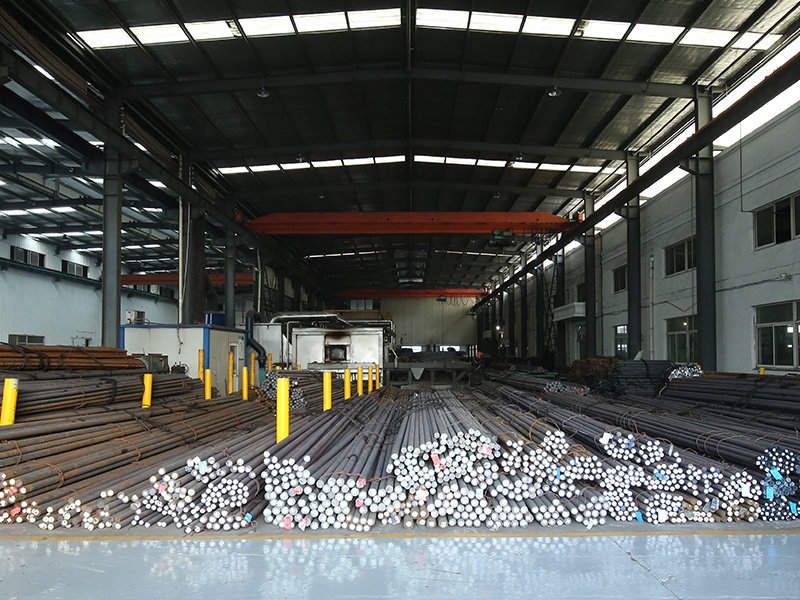
Fusion welding offers a range of benefits that can address key challenges faced in traditional casing technologies. One of the primary advantages of fusion welding is its ability to create seamless joints, reducing the risk of leaks and improving overall structural integrity. By eliminating the need for Threaded Connections, fusion-welded casings can enhance the well’s resistance to corrosion and pressure, ultimately leading to increased operational efficiency and safety.
Moreover, fusion welding enables the customization of casing designs to suit specific well conditions and requirements. This flexibility in design opens up opportunities for optimizing casing performance in challenging environments, such as high-pressure or high-temperature wells. By tailoring the casing geometry and Material composition through fusion welding, operators can enhance the overall reliability and longevity of their wells.
In addition to performance improvements, fusion welding technology also presents environmental benefits. The seamless joints created through fusion welding reduce the likelihood of casing failures and leaks, minimizing the risk of environmental contamination. Furthermore, the durability of fusion-welded casings can lead to longer service lives, reducing the need for frequent replacements and lowering the industry’s environmental footprint.
Despite the promising opportunities that fusion welding offers, its adoption in the oil and gas sector is not without challenges. One of the primary obstacles is the initial investment required for implementing fusion welding equipment and training personnel. Companies must weigh the upfront costs against the long-term benefits of improved casing performance and reduced Maintenance expenses to justify the transition to fusion-welded casings.
Another challenge lies in ensuring the quality and reliability of fusion-welded joints. Proper welding procedures, material selection, and inspection techniques are essential to guaranteeing the integrity of the casings. Companies must invest in rigorous quality control measures and training programs to maintain the highest standards of weld quality and safety.
In conclusion, fusion welding technology presents significant opportunities for enhancing oil casing performance and sustainability in the industry. By leveraging the benefits of seamless joints, customized designs, and environmental advantages, operators can overcome traditional challenges and improve the overall efficiency and reliability of their wells. While the adoption of fusion welding may require initial investments and quality assurance efforts, the long-term benefits make it a compelling option for the future of oil casing technology.