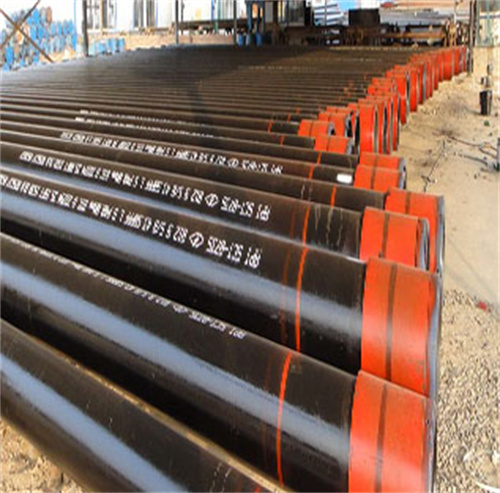
Sustainability Challenges in Oil Casing Technology
Oil casing technology plays a crucial role in the Oil and Gas industry, providing structural support and protection for wells during drilling and production operations. As the industry contiNues to evolve, sustainability challenges have emerged, prompting a closer examination of the environmental impact of oil casing technology. In this context, assessing the environmental implications of oil casing technology is essential to identify challenges and opportunities for improvement.
One of the primary sustainability challenges in oil casing technology is the environmental impact of casing Materials. Traditional casing materials, such as Steel, have significant carbon footprints due to the energy-intensive manufacturing processes involved. The extraction and processing of raw materials for steel casing can contribute to deforestation, habitat destruction, and greenhouse gas emissions. As a result, there is a growing need to explore alternative materials that offer comparable strength and durability while minimizing environmental harm.
In addition to material concerns, the disposal of used casing presents another sustainability challenge. Improper disposal of casing materials can lead to soil and water contamination, posing risks to ecosystems and human health. Developing effective recycling and reuse strategies for casing materials can help mitigate these environmental risks and reduce the industry’s overall environmental footprint. By implementing closed-loop systems that promote the circular economy, the oil and gas sector can minimize waste generation and resource depletion.
Furthermore, the energy consumption associated with oil casing technology represents a significant sustainability challenge. Drilling and installing casing require substantial energy inputs, contributing to overall operational emissions. Embracing energy-efficient practices, such as optimizing drilling techniques and utilizing renewable energy sources, can help reduce the carbon intensity of oil casing operations. Additionally, advancements in digital technologies, such as predictive analytics and automation, can enhance operational efficiency and minimize energy waste in casing installation processes.
Despite these challenges, the evolving landscape of oil casing technology also presents opportunities for sustainable innovation. The development of eco-friendly casing materials, such as bio-based composites and recycled polymers, offers a promising avenue for reducing the environmental impact of casing production. By investing in research and development of sustainable materials, the industry can transition towards more environmentally friendly casing solutions without compromising performance or safety.
Moreover, the adoption of digitalization and data-driven technologies in oil casing operations can enhance environmental performance and operational efficiency. Real-time monitoring systems, IoT sensors, and predictive Maintenance algorithms enable proactive decision-making and resource optimization, leading to reduced energy consumption and emissions. Integrating sustainability considerations into digital solutions can drive continuous improvement in environmental stewardship across the oil and gas value chain.
In conclusion, the assessment of the environmental landscape of oil casing technology reveals both challenges and opportunities for sustainable development. By addressing material concerns, promoting recycling initiatives, optimizing energy usage, and embracing innovative technologies, the industry can navigate towards a more sustainable future. Collaboration among stakeholders, regulatory support, and a commitment to responsible practices are essential for driving positive change and fostering a greener, more sustainable oil casing sector.
Environmental Impact Assessment of Oil Casing Technology
Oil casing technology plays a crucial role in the extraction and transportation of oil and gas resources. As the demand for energy continues to rise, the environmental impact of oil casing technology has come under scrutiny. Environmental Impact Assessment (EIA) of oil casing technology is essential to understand the challenges and opportunities it presents in the current fusion of technology and environmental concerns.
One of the primary challenges in assessing the environmental impact of oil casing technology is the potential for groundwater contamination. Improper casing design or installation can lead to leaks and spills that contaminate underground water sources. This poses a significant risk to both the environment and public health. Conducting a thorough EIA can help identify potential risks and develop mitigation strategies to prevent groundwater contamination.
Another critical aspect of EIA for oil casing technology is the assessment of air quality. During the drilling and extraction process, various pollutants can be released into the atmosphere, contributing to air pollution. Monitoring emissions and implementing technologies to reduce air pollutants are essential steps in minimizing the environmental impact of oil casing operations. EIA can provide valuable insights into the sources of air pollution and guide the implementation of effective control measures.
The biodiversity of the surrounding ecosystem is also a key consideration in the environmental assessment of oil casing technology. Oil drilling activities can disrupt natural habitats and ecosystems, leading to loss of biodiversity. EIA helps in evaluating the potential impact on flora and fauna in the area and devising conservation measures to protect biodiversity. By incorporating biodiversity assessments into the EIA process, oil casing operations can minimize their ecological footprint and preserve the natural environment.
Furthermore, the energy consumption associated with oil casing technology is a significant environmental concern. The extraction, processing, and transportation of oil and gas require large amounts of energy, contributing to greenhouse gas emissions and climate change. EIA can evaluate the energy efficiency of oil casing operations and identify opportunities for reducing energy consumption through technological advancements and operational improvements.
In the midst of these challenges, there are also opportunities for innovation and sustainability in oil casing technology. Advancements in materials science and engineering have led to the development of eco-friendly casing materials that are more durable and resistant to corrosion. By incorporating these sustainable materials into oil casing design, operators can enhance the longevity of wells and reduce the need for frequent replacements, thereby minimizing environmental impact.
Moreover, the integration of digital technologies such as IoT sensors and data analytics offers new possibilities for monitoring and optimizing oil casing operations in real-time. By leveraging data-driven insights, operators can improve efficiency, reduce waste, and enhance environmental performance. EIA plays a crucial role in assessing the environmental benefits of these technological innovations and guiding their implementation for sustainable oil casing practices.
what type of oil is used in a transfer case
In conclusion, the environmental impact assessment of oil casing technology is essential for identifying and addressing the challenges posed by oil drilling operations. By conducting a comprehensive EIA, operators can mitigate environmental risks, protect ecosystems, and promote sustainable practices in the fusion of technology and environmental stewardship. Embracing innovation and sustainability in oil casing technology presents opportunities to minimize environmental impact and ensure the responsible extraction of oil and gas resources for future generations.
Fusion Opportunities in Oil Casing Technology
Oil casing technology plays a crucial role in the oil and gas industry, providing structural support and protection for wells. As the industry evolves, the demand for more advanced and efficient casing solutions continues to grow. In this context, fusion welding technology emerges as a promising avenue for enhancing the performance and longevity of oil casings.

Fusion welding offers a range of benefits that can address key challenges faced in traditional casing technologies. One of the primary advantages of fusion welding is its ability to create seamless joints, reducing the risk of leaks and improving overall structural integrity. By eliminating the need for Threaded Connections, fusion-welded casings can enhance the well’s resistance to corrosion and pressure, ultimately leading to increased operational efficiency and safety.
Moreover, fusion welding enables the customization of casing designs to suit specific well conditions and requirements. This flexibility in design opens up opportunities for optimizing casing performance in challenging environments, such as high-pressure or high-temperature wells. By tailoring the casing geometry and material composition through fusion welding, operators can enhance the overall reliability and longevity of their wells.
In addition to performance improvements, fusion welding technology also presents environmental benefits. The seamless joints created through fusion welding reduce the likelihood of casing failures and leaks, minimizing the risk of environmental contamination. Furthermore, the durability of fusion-welded casings can lead to longer service lives, reducing the need for frequent replacements and lowering the industry’s environmental footprint.
Despite the promising opportunities that fusion welding offers, its adoption in the oil and gas sector is not without challenges. One of the primary obstacles is the initial investment required for implementing fusion welding equipment and training personnel. Companies must weigh the upfront costs against the long-term benefits of improved casing performance and reduced maintenance expenses to justify the transition to fusion-welded casings.
Another challenge lies in ensuring the quality and reliability of fusion-welded joints. Proper welding procedures, material selection, and inspection techniques are essential to guaranteeing the integrity of the casings. Companies must invest in rigorous quality control measures and training programs to maintain the highest standards of weld quality and safety.
In conclusion, fusion welding technology presents significant opportunities for enhancing oil casing performance and sustainability in the industry. By leveraging the benefits of seamless joints, customized designs, and environmental advantages, operators can overcome traditional challenges and improve the overall efficiency and reliability of their wells. While the adoption of fusion welding may require initial investments and quality assurance efforts, the long-term benefits make it a compelling option for the future of oil casing technology.