Changamoto katika Utekelezaji wa Teknolojia ya Kuweka Mafuta katika Uchambuzi wa Mazingira
Fursa za Kuendeleza Teknolojia ya Uwekaji Mafuta kwa Uchambuzi wa Mazingira
Kuunganisha Changamoto za Kimazingira na Fursa za Kiteknolojia katika Sekta ya Ufungaji wa Mafuta
Kwa ujumla, tasnia ya uwekaji mafuta inakabiliwa na changamoto kubwa za kimazingira zinazohitaji kuzingatiwa kwa uangalifu na masuluhisho ya haraka. Kwa kuunganisha changamoto hizi na fursa za kiteknolojia na hatua za udhibiti, tasnia inaweza kujitahidi kuelekea mazoea endelevu na ya kuwajibika kwa mazingira. Kupitia uvumbuzi unaoendelea, ushirikiano, na kufuata mazoea bora, tasnia ya uwekaji mafuta inaweza kupunguza kiwango chake cha mazingira na kuchangia katika siku zijazo za nishati endelevu.
Linking Environmental Challenges with Technological Opportunities in Oil Casing Industry
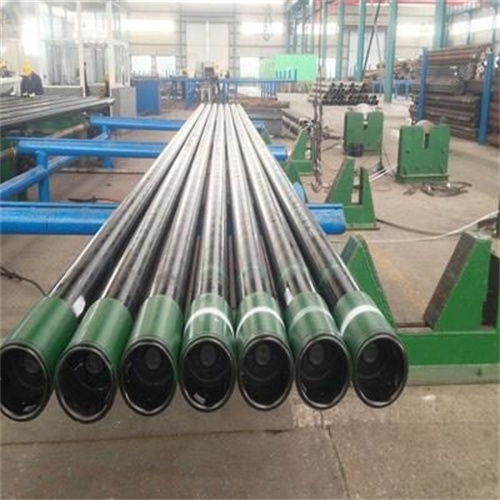
Oil casing technology plays a crucial role in the Oil and Gas industry, providing structural support and protection for wells. However, The use of oil casing also presents significant environmental challenges that need to be addressed. In recent years, there has been a growing awareness of the environmental impact of oil and gas operations, leading to increased scrutiny of the industry’s practices.
One of the key environmental challenges associated with oil casing technology is the risk of groundwater contamination. Improperly Sealed or corroded casings can allow oil and other contaminants to leach into the surrounding soil and water, posing a threat to local ecosystems and public health. In addition, the extraction and production of Oil casing Materials can contribute to deforestation, habitat destruction, and carbon emissions, further exacerbating environmental concerns.
Despite these challenges, the oil casing industry also presents opportunities for technological innovation and improvement. Advances in materials science and engineering have led to the development of more durable and environmentally friendly casing materials, such as corrosion-resistant alloys and composite materials. These new materials not only enhance the structural integrity of Oil Wells but also reduce the industry’s environmental footprint by minimizing the need for frequent replacements and Repairs.
Furthermore, technological advancements in well Construction and monitoring have enabled more precise and efficient drilling operations, reducing the risk of casing failures and environmental contamination. Innovations such as real-time monitoring systems, automated Drilling Rigs, and advanced Cementing techniques help ensure the integrity of oil wells and prevent leaks and spills that could harm the environment.
In addition to technological innovations, regulatory frameworks and industry standards play a crucial role in mitigating the environmental impact of oil casing operations. Stricter regulations governing well construction, casing design, and waste management help ensure compliance with environmental best practices and reduce the risk of environmental incidents. Industry initiatives such as well integrity testing and environmental risk assessments also help identify and address potential environmental risks before they escalate.

Overall, the oil casing industry faces significant environmental challenges that require careful consideration and proactive solutions. By linking these challenges with technological opportunities and regulatory measures, the industry can strive towards more sustainable and environmentally responsible practices. Through contiNued innovation, collaboration, and adherence to best practices, the oil casing industry can minimize its environmental footprint and contribute to a more sustainable energy future.