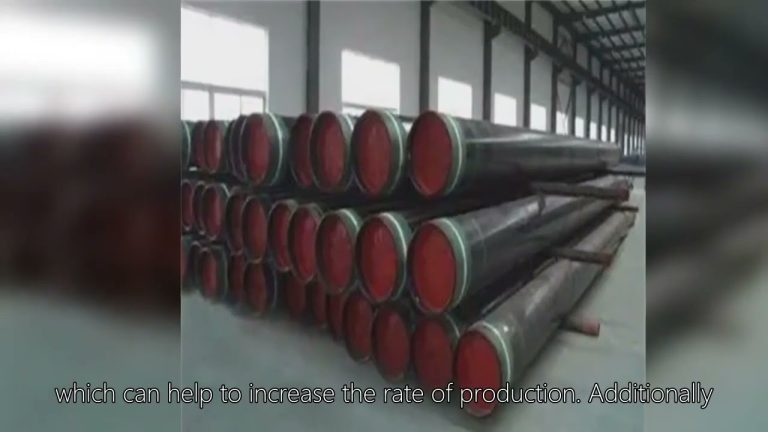
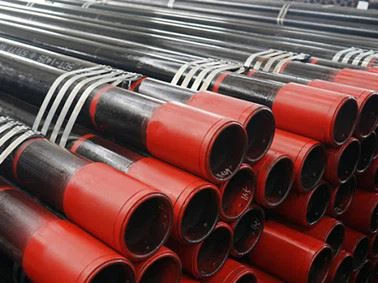
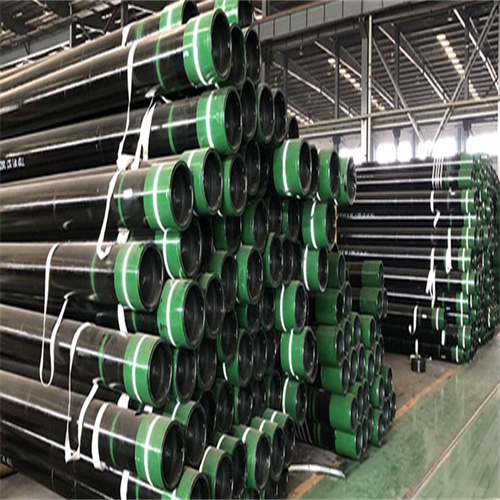
Aina Mbalimbali za Chuma Zinazotumika katika Utengenezaji wa Casing ya Petroli
Casing Pipe,casing bomba la kisima, casing bomba la juu zaidi, casing vs carrier pipe, casing for ac pipe, casing Steel Pipe, casing pipe size, casing pipe ya pvc, casing pipe, casing pipe wasambazaji nchini china, casing capping pipe, casing drill bomba, bomba la kubebea, ukubwa wa bomba la kufungia, flange ya bushing, Sleeve ya bushing, bushing, mkono wa bushing, kuzaa bushing, bushing reducer, bushing tool, bushing pvc, bushing maana
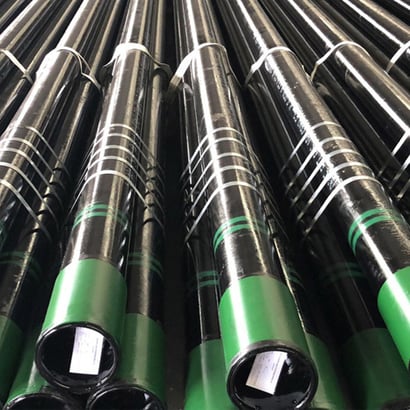 – Carbon steel: Hii ndiyo aina ya chuma inayotumika sana katika utengenezaji wa kabati za petroli. Inatoa nguvu nzuri na ushupavu, na kuifanya kufaa kwa hali mbalimbali za kisima
mlipuko wa bomba la mafuta,
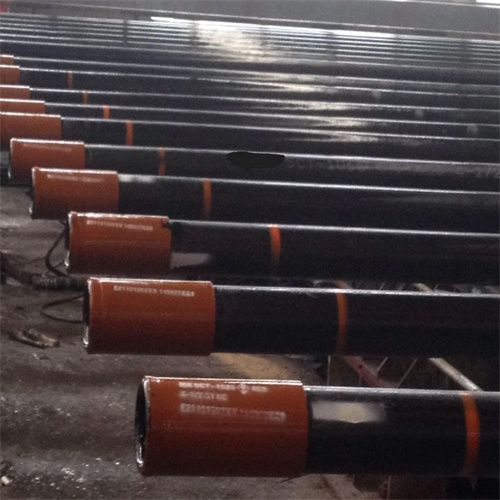
Aidha, chuma cha kaboni huonyesha ukinzani mzuri dhidi ya kutu, hitaji lingine muhimu kwa kasha ya petroli. Visima vya mafuta mara nyingi huathiriwa na vitu vya babuzi, kama vile sulfidi hidrojeni na dioksidi kaboni, ambayo inaweza kuharibu uadilifu wa casing kwa muda. Ustahimilivu wa chuma cha kaboni dhidi ya kutu huhakikisha kwamba inaweza kustahimili hali hizi kali na kudumisha utendakazi wake katika muda wote wa maisha ya kisima.
Aidha, chuma cha kaboni hutoa weldability bora, kuruhusu kwa ufanisi na kutegemewa michakato ya utengenezaji. Kulehemu ni njia ya kawaida inayotumiwa kuunganisha sehemu za casing pamoja, na mali ya chuma cha kaboni hufanya nyenzo bora kwa kusudi hili. Uwezo wa kuchomea wa chuma cha kaboni huhakikisha miunganisho thabiti na ya kudumu, na hivyo kuchangia katika uadilifu wa jumla wa kasha.
Kwa kumalizia, mfuko wa petroli hutengenezwa kutoka kwa nyenzo mbalimbali, huku chuma cha kaboni kikiwa kimeenea zaidi. Chuma cha kaboni hutoa uimara unaohitajika, uimara, kustahimili kutu, na weldability unaohitajika kwa kasha ya petroli kustahimili hali ngumu katika visima vya mafuta na gesi. Uwezo wake wa kudumisha uadilifu wake wa kimuundo na utendaji katika mazingira magumu huifanya kuwa chaguo bora la nyenzo. Kwa kutumia chuma cha kaboni, sekta ya mafuta na gesi inaweza kuhakikisha maisha marefu na kutegemewa kwa mifumo yao ya visima, na hatimaye kuchangia katika uchimbaji na uzalishaji bora wa rasilimali za mafuta na gesi.
(Kumbuka: Kifungu kilicho hapo juu kimetolewa kwa madhumuni ya habari tu na haijumuishi ushauri wa kitaalamu au uidhinishaji wa nyenzo au mazoea yoyote mahususi Tafadhali wasiliana na wataalam katika uwanja huo kwa mwongozo zaidi.)
casing pipe,casing well pipe, casing supreme pipe, casing vs carrier pipe, casing for ac pipe, casing steel pipe, casing pipe size, casing pvc pipe Price, casing pipe, casing pipe Suppliers in China, casing capping pipe, casing drill pipe,carrier pipe,casing pipe size,bushing flange,bushing sleeve,bushing,bushing arm,bushing bearing,bushing reducer,bushing tool,bushing pvc,bushing meaning
Furthermore, some petroleum casing may be made of non-metallic Materials, such as composite materials or fiberglass-reinforced plastics (FRP). These materials offer advantages such as high strength-to-Weight ratio, Corrosion resistance, and electrical insulation properties. Non-metallic casing is often used in specific applications where weight reduction, resistance to corrosive fluids, or electromagnetic isolation is required.
In conclusion, petroleum casing is made of various types of steel, including carbon steel, alloy steel, and Stainless Steel. These materials provide the necessary strength, durability, and corrosion resistance required for Oil and Gas well drilling and production operations. Additionally, specialized steels and non-metallic materials may be
– Carbon Steel: This is the most common type of steel used in petroleum casing manufacturing. It offers good strength and toughness, making it suitable for various well conditions
What kind of materials are petroleum casing made of?
Petroleum casing is an essential component in the oil and gas industry, providing structural integrity and protection to Oil Wells. It is subjected to various well conditions, including high pressures, extreme temperatures, and corrosive environments. To ensure its performance and durability, petroleum casing is made from a variety of materials, with carbon steel being the most common type used in manufacturing.
Carbon steel is a type of steel that contains primarily carbon and iron, with trace amounts of other elements. It is renowned for its excellent strength and toughness, which are crucial properties in petroleum casing. These characteristics allow the casing to withstand the immense pressures and stresses encountered in oil and gas wells.
One of the key advantages of carbon steel is its ability to maintain its structural integrity even in harsh environments. The presence of carbon in the steel enhances its hardness, making it resistant to deformation and fracture. This is particularly important in oil wells where the casing is exposed to high pressures, which can exert significant force on the material.
Additionally, carbon steel exhibits good resistance to corrosion, another critical requirement for petroleum casing. Oil wells are often exposed to corrosive substances, such as hydrogen sulfide and carbon dioxide, which can degrade the integrity of the casing over time. Carbon steel’s resistance to corrosion ensures that it can withstand these aggressive conditions and maintain its performance throughout the lifespan of the well.
Furthermore, carbon steel offers excellent weldability, allowing for efficient and reliable manufacturing processes. Welding is a common method used to join sections of casing together, and the properties of carbon steel make it an ideal material for this purpose. The weldability of carbon steel ensures strong and durable Connections, contributing to the overall integrity of the casing.
In conclusion, petroleum casing is made from various materials, with carbon steel being the most prevalent. Carbon steel provides the necessary strength, toughness, corrosion resistance, and weldability required for petroleum casing to withstand the demanding conditions in oil and gas wells. Its ability to maintain its structural integrity and performance in harsh environments makes it an ideal material choice. By utilizing carbon steel, the oil and gas industry can ensure the longevity and reliability of their well systems, ultimately contributing to the efficient extraction and production of oil and gas resources.
(Note: The above article is provided for informational purposes only and does not constitute professional advice or endorsement of any specific materials or practices. Please consult with experts in the field for further guidance.)