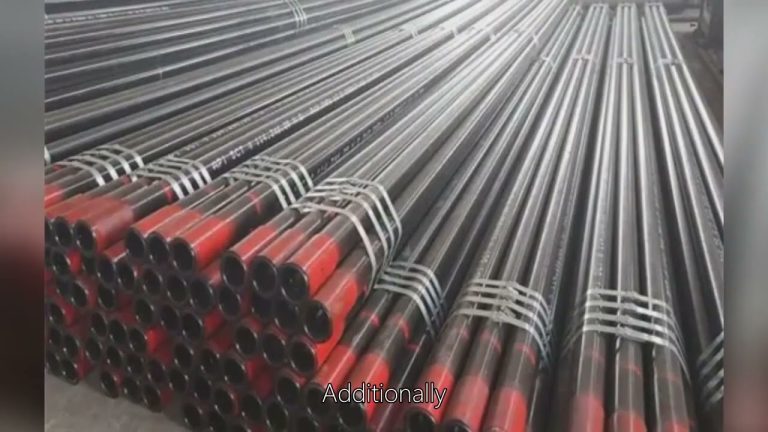
Imeimarishwa Ustahimilivu wa Kutu katika Nyenzo za Kuweka Hifadhi ya Mafuta
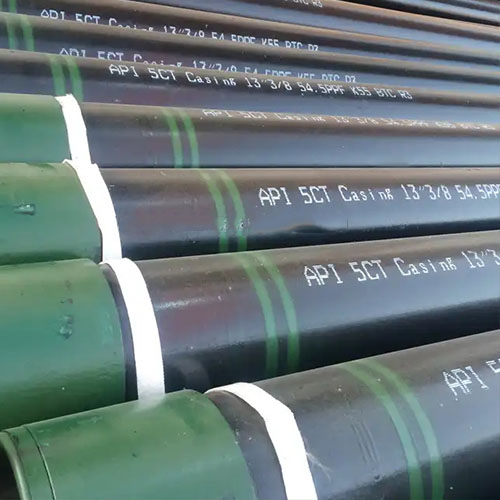
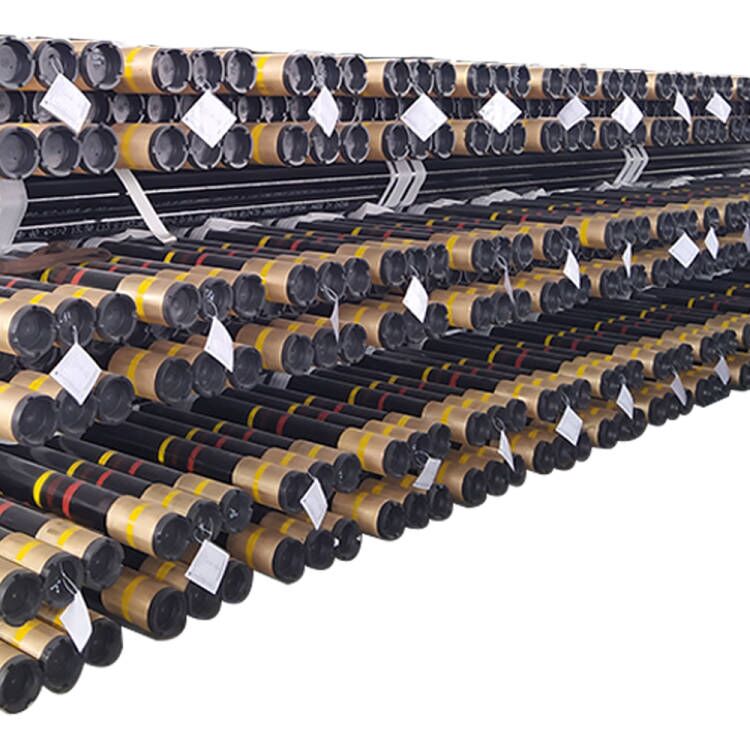
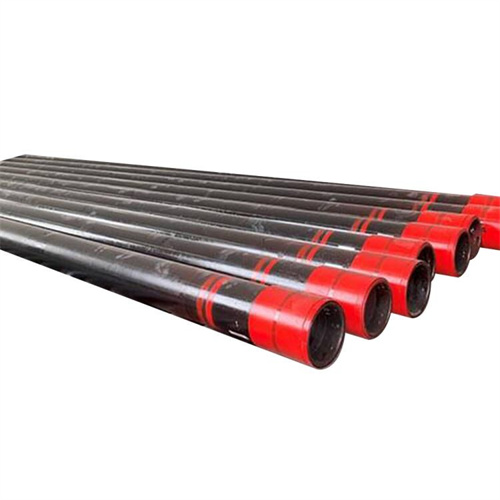
Kifuko cha mafuta kina jukumu muhimu katika uchunguzi wa hali ya juu wa mafuta na gesi, kutoa uadilifu wa muundo na ulinzi kwenye kisima. Mojawapo ya mambo muhimu ambayo yamekuwa yakibadilika kila mara katika vifaa vya kuweka mafuta ni kuimarishwa kwa upinzani wa kutu. Kutu huleta changamoto kubwa katika visima vya mafuta na gesi, na kusababisha uharibifu wa miundo na hatari zinazoweza kutokea kwa mazingira. Kwa hivyo, uundaji wa nyenzo zilizo na upinzani bora wa kutu ni muhimu kwa maisha marefu na ufanisi wa mifumo ya kabati ya mafuta.
Kijadi, nyenzo za kuweka mafuta zimekuwa rahisi kushika kutu kutokana na hali ngumu ya shimo, ikiwa ni pamoja na joto la juu, shinikizo, na maji ya babuzi. . Katika kukabiliana na changamoto hii, watafiti na wataalam wa tasnia wamekuwa wakizingatia kuongeza upinzani wa kutu wa vifaa vya kuweka mafuta kupitia mbinu za ubunifu. Mbinu hizi ni pamoja na matumizi ya aloi zinazostahimili kutu, vifuniko na matibabu ya uso ili kupunguza athari za kutu na kupanua maisha ya huduma ya mifumo ya vifuniko vya mafuta.
Aloi zinazostahimili kutu, kama vile vyuma vya pua na aloi za nikeli. ilipata umaarufu katika matumizi ya mafuta na gesi kutokana na upinzani wao wa juu dhidi ya kutu katika mazingira ya fujo. Aloi hizi zinaonyesha sifa bora za kiufundi huku zikitoa ulinzi dhidi ya vimiminika vikali vilivyo kwenye hifadhi za mafuta na gesi. Kwa kujumuisha aloi zinazostahimili kutu katika utengenezaji wa kabati la mafuta, waendeshaji wanaweza kupunguza kwa kiasi kikubwa hatari ya kushindwa kwa kabati na kuimarisha uadilifu wa jumla wa kisima.
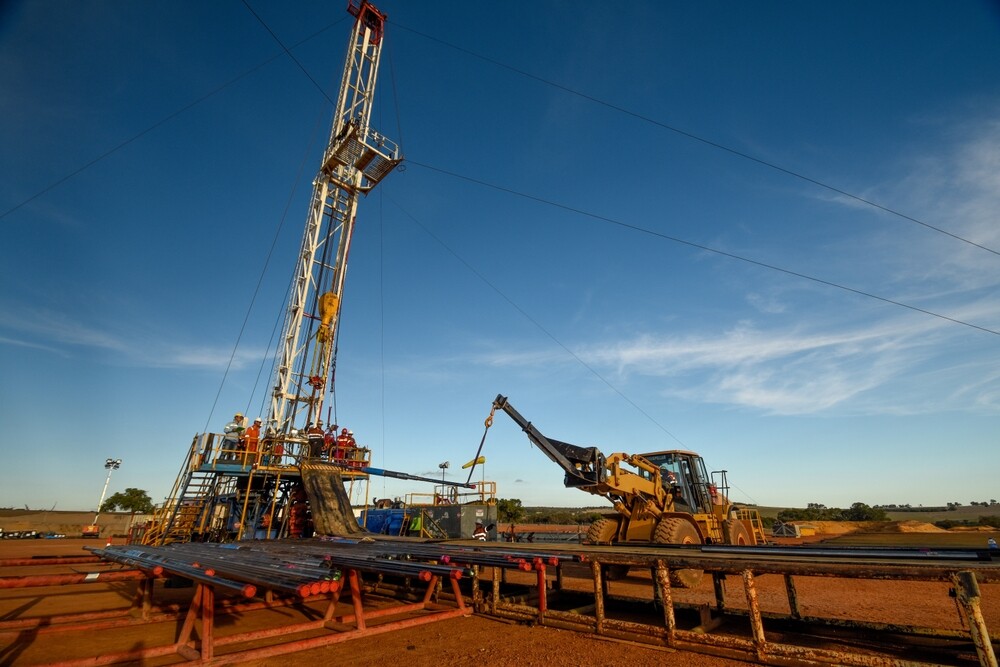
Ubunifu katika Muundo wa Mfuko wa Mafuta kwa Utafutaji wa Maji ya Kina
Uendelevu na Athari za Kimazingira za Hifadhi ya Mafuta katika Uendeshaji wa Kisasa wa Mafuta na Gesi
Kifuko cha mafuta kina jukumu muhimu katika uchunguzi wa kisasa wa mafuta na gesi, kutoa uadilifu wa kimuundo kwa visima na kulinda mazingira yanayozunguka kutokana na hatari zinazoweza kutokea. Kadiri tasnia ya mafuta na gesi inavyoendelea kubadilika, uendelevu na athari za kimazingira za uwekaji mafuta zimekuwa jambo muhimu zaidi linalozingatiwa.
Moja ya vipengele muhimu vya uendelevu katika kabati la mafuta ni nyenzo inayotumika kwa ujenzi. Kamba za mafuta asilia mara nyingi zilitengenezwa kwa chuma cha kaboni, ambacho kinaweza kudumu lakini kinaweza kuwa na athari kubwa za kimazingira. Katika miaka ya hivi majuzi, kumekuwa na mabadiliko kuelekea kutumia nyenzo rafiki zaidi kwa mazingira kama vile aloi zinazostahimili kutu na vifaa vya mchanganyiko. Nyenzo hizi hutoa nguvu na uimara unaolinganishwa na chuma cha kaboni huku zikipunguza alama ya mazingira ya shughuli za kabati la mafuta.
Mbali na nyenzo zinazotumika, mchakato wa kubuni na utengenezaji wa kasha la mafuta pia umeona maendeleo ili kuboresha uendelevu. Ubunifu katika muundo wa Casing umesababisha matumizi bora ya vifaa, kupunguza upotevu na matumizi ya nishati wakati wa uzalishaji. Zaidi ya hayo, kupitishwa kwa teknolojia za kidijitali kama vile uundaji wa 3D na uigaji kumewezesha watengenezaji kuboresha miundo ya kabati kwa utendakazi wa hali ya juu na athari ndogo ya kimazingira.
Usakinishaji na uendeshaji wa kasha la mafuta pia una jukumu kubwa katika athari zake za kimazingira. Mbinu sahihi za ufungaji, ikiwa ni pamoja na saruji na kutengwa kwa kanda, ni muhimu ili kuzuia uvujaji na kuhakikisha uadilifu wa kisima. Ufuatiliaji na udumishaji wa mara kwa mara wa uadilifu wa casing ni muhimu ili kugundua masuala yoyote yanayoweza kutokea mapema na kuzuia uchafuzi wa mazingira.
Jambo lingine muhimu linalozingatiwa katika uendelevu wa kasha la mafuta ni usimamizi wa mwisho wa maisha. Utupaji sahihi au urejelezaji wa vifaa vya casing vilivyotumika ni muhimu ili kupunguza athari za mazingira. Programu za urejelezaji wa nyenzo za kabati za mafuta zinatengenezwa ili kuhakikisha kwamba zinatumika tena au kutupwa kwa njia inayowajibika kwa mazingira. kuboresha zaidi uendelevu wa kabati la mafuta. Hii ni pamoja na kuchunguza nyenzo mpya, teknolojia, na mbinu za kupunguza kiwango cha kaboni katika sekta hii na kupunguza hatari za kimazingira.
Kwa kumalizia, matarajio na mabadiliko ya hifadhi ya mafuta katika utafutaji wa juu wa mafuta na gesi yanafungamana kwa karibu na uendelevu na athari za mazingira. Kwa kupitisha nyenzo ambazo ni rafiki kwa mazingira, kuboresha muundo na michakato ya utengenezaji, kutekeleza mazoea sahihi ya uwekaji na matengenezo, na kuunda mikakati ya usimamizi wa maisha, tasnia inaweza kupunguza alama yake ya mazingira na kuhakikisha mustakabali endelevu zaidi wa shughuli za mafuta na gesi.
In deepwater exploration, where depths can reach thousands of feet below the ocean surface, the integrity and reliability of Oil Casing are paramount. innovations in oil casing design have been instrumental in enhancing the efficiency and safety of deepwater drilling operations. One of the key advancements in oil casing technology is the development of high-strength Materials that can withstand the extreme pressures and temperatures encountered in deepwater wells.
Furthermore, the evolution of oil casing design has led to the incorporation of advanced features such as corrosion-resistant coatings and improved buckling resistance. These enhancements not only extend the lifespan of the casing but also reduce the risk of well integrity failures in harsh deepwater environments.
Another significant development in oil casing technology is the use of intelligent casing systems that can provide real-time data on well conditions. These smart casing systems enable operators to monitor the performance of the well and make informed decisions to optimize production and ensure safety.
Moreover, the advent of nanotechnology has opened up new possibilities for enhancing the properties of Oil casing materials. Nanocomposite coatings and nanofluids can improve the Corrosion resistance and thermal conductivity of casing, making them more durable and efficient in deepwater applications.
In addition to material and design innovations, the integration of digital technologies such as IoT and AI has revolutionized the way oil casing is monitored and maintained. IoT sensors embedded in the casing can transmit data to centralized control systems, allowing for remote monitoring of well conditions in real-time. AI algorithms can analyze this data to predict potential issues and optimize drilling operations.
As we look to the future, the prospects of oil casing in advanced Oil and Gas exploration are promising. ContiNued research and development in materials science, design engineering, and digital technologies will drive further innovations in oil casing technology. These advancements will not only improve the efficiency and safety of deepwater drilling but also contribute to the sustainable development of oil and gas resources.
Seamless Steel Tube,In conclusion, the evolution of oil casing in advanced oil and gas exploration has been marked by continuous innovation and technological advancements. The integration of high-strength materials, intelligent systems, nanotechnology, and digital technologies has transformed the way oil casing is designed, deployed, and monitored in deepwater environments. With ongoing research and development, the future of oil casing looks bright, promising enhanced performance, reliability, and sustainability in the realm of advanced oil and gas exploration.
Sustainability and Environmental Impact of Oil Casing in Modern Oil and Gas Operations
Oil casing plays a crucial role in modern oil and gas exploration, providing structural integrity to wells and protecting the surrounding environment from potential hazards. As the oil and gas industry continues to evolve, the sustainability and environmental impact of oil casing have become increasingly important considerations.
One of the key aspects of sustainability in oil casing is the material used for Construction. Traditional oil casings were often made of Carbon steel, which is durable but can have significant environmental impacts. In recent years, there has been a shift towards using more environmentally friendly materials such as corrosion-resistant alloys and composite materials. These materials offer comparable strength and durability to carbon steel while reducing the environmental footprint of oil casing operations.
In addition to the materials used, the design and manufacturing processes of oil casing have also seen advancements to improve sustainability. Innovations in casing design have led to more efficient use of materials, reducing waste and energy consumption during production. Furthermore, the adoption of digital technologies such as 3D modeling and simulation has enabled Manufacturers to optimize casing designs for maximum performance with minimal environmental impact.
The installation and operation of oil casing also play a significant role in its environmental impact. Proper installation techniques, including Cementing and zonal isolation, are essential to prevent leaks and ensure the integrity of the well. Regular monitoring and Maintenance of casing integrity are crucial to detect any potential issues early and prevent environmental contamination.
Another important consideration in the sustainability of oil casing is the end-of-life management. Proper disposal or recycling of used casing materials is essential to minimize environmental impact. Recycling programs for oil casing materials are being developed to ensure that they are reused or disposed of in an environmentally responsible manner.
As the oil and gas industry continues to face increasing scrutiny over its environmental impact, Companies are investing in research and development to further improve the sustainability of oil casing. This includes exploring new materials, technologies, and practices to reduce the industry’s carbon footprint and minimize environmental risks.
In conclusion, the prospects and evolutions of oil casing in advanced oil and gas exploration are closely tied to sustainability and environmental impact. By adopting more environmentally friendly materials, improving design and manufacturing processes, implementing proper installation and maintenance practices, and developing end-of-life management strategies, the industry can mitigate its environmental footprint and ensure a more sustainable future for oil and gas operations.