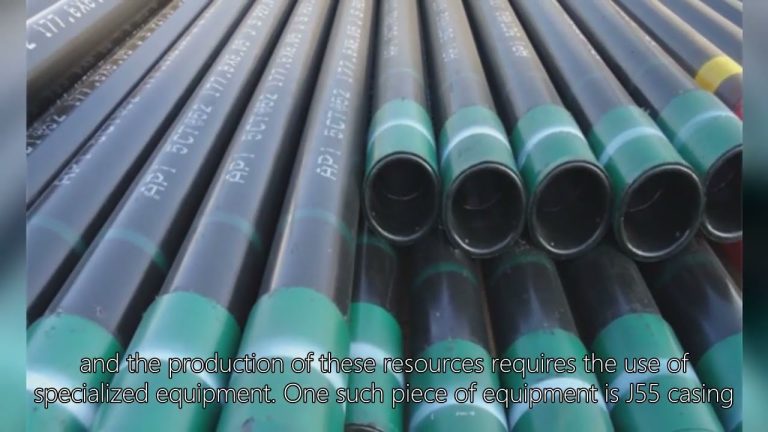
Faida za Kutumia Mfuko wa Mafuta katika Shughuli za Uchimbaji wa Mafuta
Casing Pipe,casing bomba la kisima, casing bomba la juu zaidi, casing vs carrier pipe, casing for ac pipe, casing Steel Pipe, casing pipe size, casing pipe ya pvc, casing pipe, casing pipe wasambazaji nchini china, casing capping pipe, casing drill bomba, bomba la kubebea, ukubwa wa bomba la kufungia, flange ya bushing, Sleeve ya bushing, bushing, mkono wa bushing, kuzaa bushing, bushing reducer, bushing tool, bushing pvc, bushing maana
Mazingatio Muhimu Wakati wa Kuchagua Hifadhi ya Mafuta kwa Masharti Tofauti ya Kisima
Kwa kumalizia, kuchagua kifuko cha mafuta kinachofaa kwa hali tofauti za kisima ni kipengele muhimu cha usanifu na ujenzi wa kisima. Kwa kuzingatia mambo kama vile hali ya kisima, kina, aina ya hifadhi na viwango vya uzalishaji, wahandisi wanaweza kuchagua nyenzo na miundo inayofaa zaidi ya casing ili kuhakikisha uadilifu na utendakazi wa kisima. Upangaji sahihi, uchanganuzi na ushirikiano kati ya timu za uchimbaji na ukamilishaji ni muhimu ili kuangazia kwa ufanisi matatizo ya uteuzi wa kabati la mafuta. Kwa kuzingatia kanuni bora na viwango vya tasnia, waendeshaji wanaweza kuboresha utendakazi mzuri, kupunguza hatari, na kuongeza faida ya uwekezaji katika shughuli za utafutaji na uzalishaji wa mafuta na gesi.
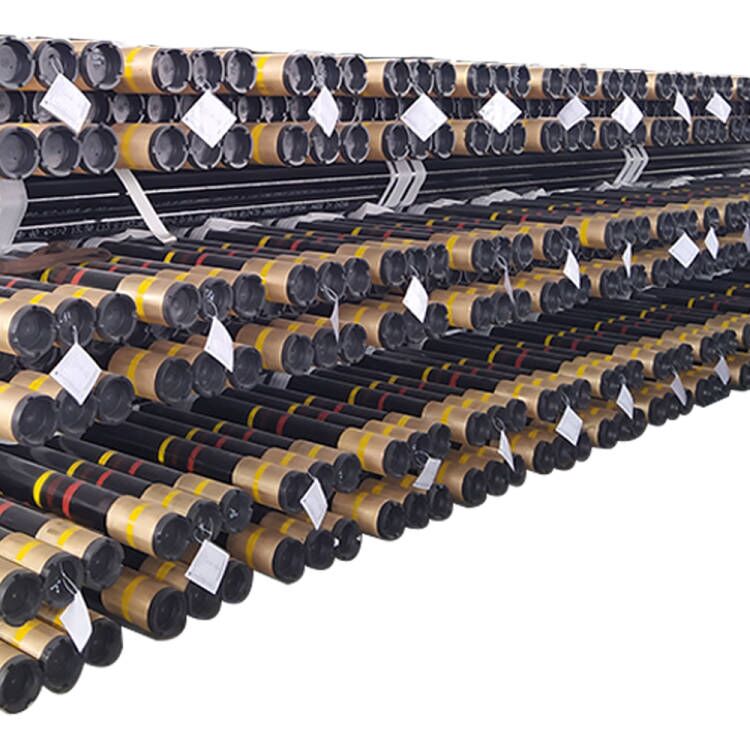
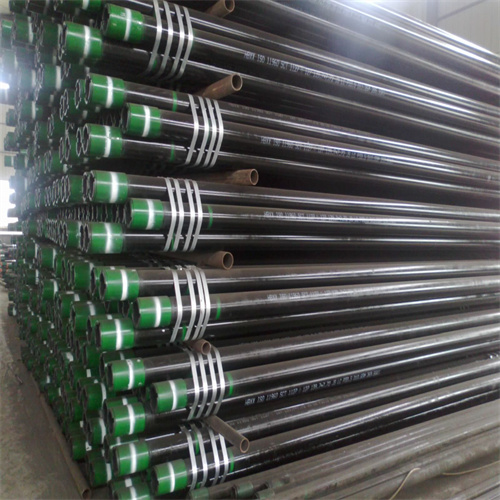
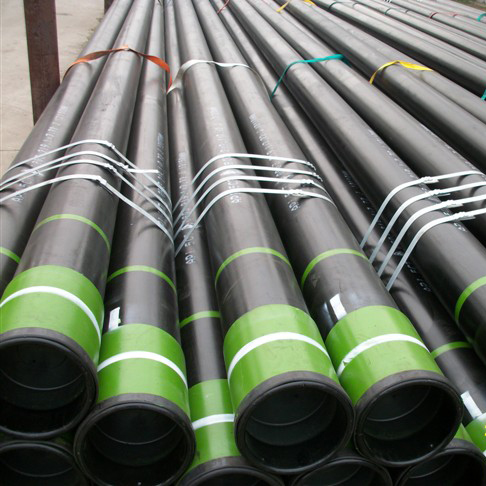
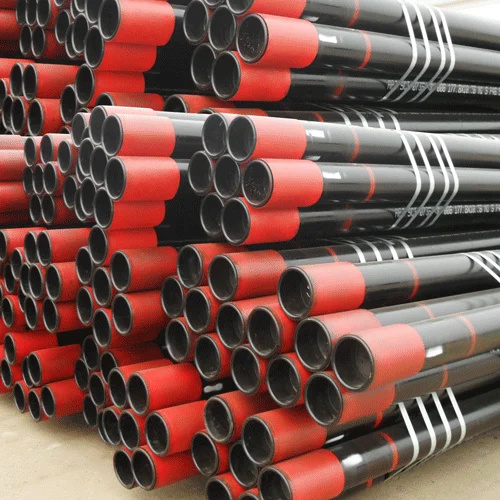
Furthermore, Oil Casing enhances well control and safety measures. In the event of a blowout or well control incident, casing acts as a primary barrier to contain the pressure and fluids within the wellbore. This containment prevents environmental damage, protects workers on the rig, and minimizes the risk of a catastrophic blowout. The presence of casing also facilitates the implementation of well control measures such as Cementing and pressure control, enhancing the overall safety of the drilling operation.
Additionally, oil casing provides structural support to the well, increasing its longevity and durability. By reinforcing the wellbore, casing prevents it from collapsing or deforming under the Weight of the overlying rock formations. This structural integrity ensures the long-term stability of the well, allowing for contiNued production over an extended period.
In conclusion, the benefits of using oil casing in oil drilling operations are multifaceted and essential for the success of the extraction process. From preventing well collapse to facilitating production and enhancing safety measures, oil casing plays a critical role in ensuring the efficiency, productivity, and sustainability of oil drilling activities. By understanding and appreciating the advantages of oil casing, stakeholders in the Oil and Gas industry can make informed decisions that optimize the performance and safety of their drilling operations.
Key Considerations When Selecting Oil Casing for Different Well Conditions
Oil casing plays a crucial role in the drilling and completion of Oil Wells, providing structural support and maintaining well integrity. Selecting the right type of casing is essential to ensure the success and longevity of the well. When choosing oil casing, various factors must be taken into consideration, including the well conditions, the depth of the well, the type of reservoir, and the anticipated production rates. In this article, we will discuss key considerations when selecting oil casing for different well conditions.
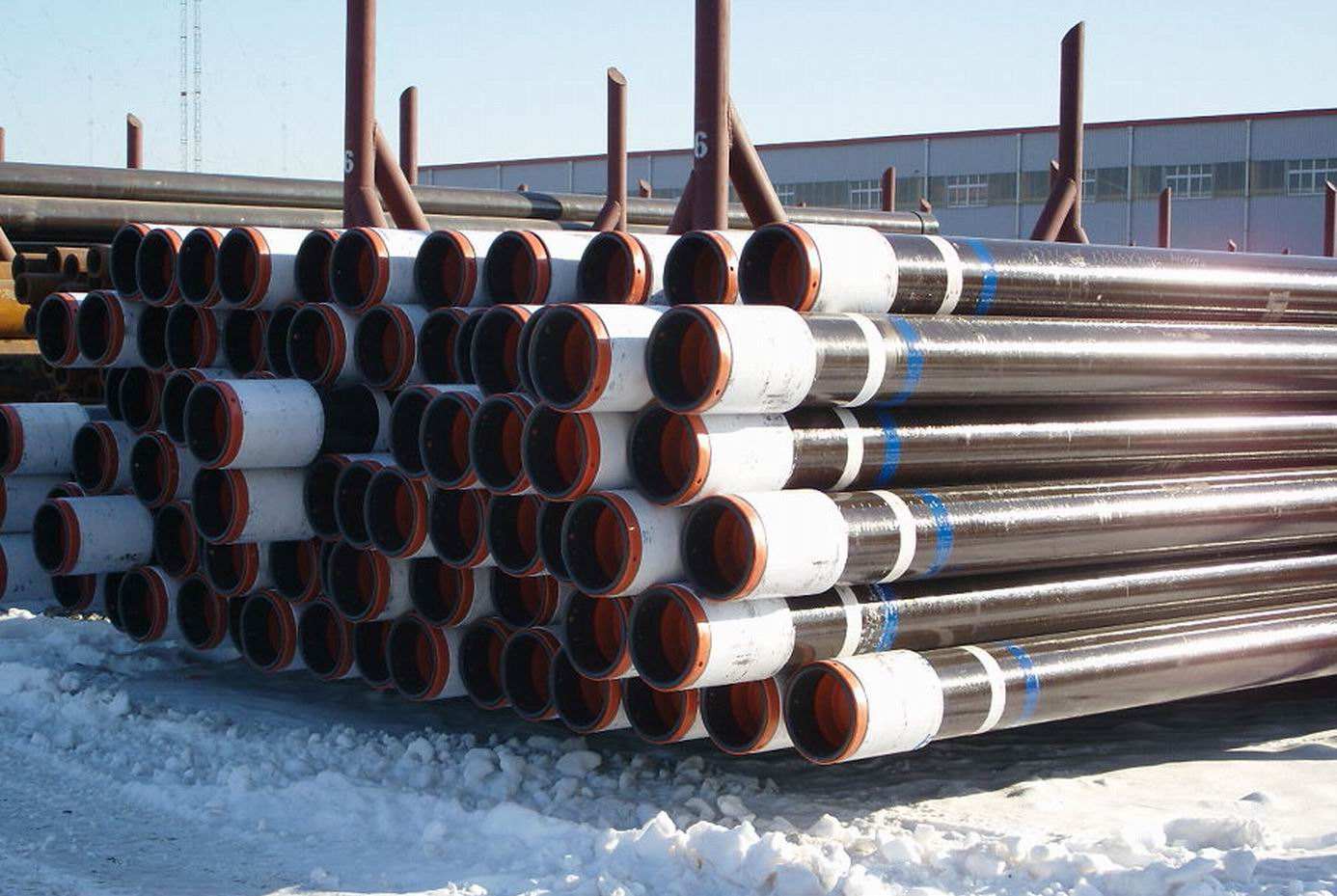
One of the primary factors to consider when choosing oil casing is the well conditions. Different well conditions require different types of casing to ensure optimal performance. For example, in high-pressure and high-temperature wells, Premium casing grades with enhanced mechanical properties and Corrosion resistance are typically used to withstand the harsh operating conditions. On the other hand, in low-pressure wells, less expensive casing grades may be sufficient to meet the well requirements.
Another important consideration is the depth of the well. Deeper wells require casing with higher collapse resistance to withstand the increased external pressure exerted on the casing walls. Additionally, the weight of the Casing string must also be carefully calculated to prevent buckling or collapse during installation. Proper planning and selection of casing sizes and grades are essential to ensure the integrity of the wellbore and prevent costly failures.
The type of reservoir is another critical factor that influences the selection of oil casing. Different reservoir characteristics, such as fluid composition, pressure, and temperature, can impact the performance of the casing. For example, in reservoirs with high levels of corrosive fluids, corrosion-resistant casing Materials must be used to prevent degradation and ensure the longevity of the well. Understanding the reservoir conditions and selecting appropriate casing materials are vital to protecting the well and maximizing production efficiency.
Anticipated production rates also play a significant role in determining the type of casing to be used. Wells with high production rates may require heavier casing strings to withstand the increased mechanical loads and pressures. Additionally, the casing design must take into account factors such as casing centralization, cementing practices, and wellbore stability to ensure proper wellbore isolation and integrity. Careful consideration of production rates and associated factors is essential to prevent production disruptions and ensure the long-term success of the well.
In conclusion, selecting the right oil casing for different well conditions is a critical aspect of well design and Construction. By considering factors such as well conditions, depth, reservoir type, and production rates, engineers can choose the most suitable casing materials and designs to ensure the integrity and performance of the well. Proper planning, analysis, and collaboration among drilling and completion teams are essential to successfully navigate the complexities of oil casing selection. By adhering to best practices and industry standards, operators can optimize well performance, minimize risks, and maximize the return on investment in oil and gas exploration and production activities.