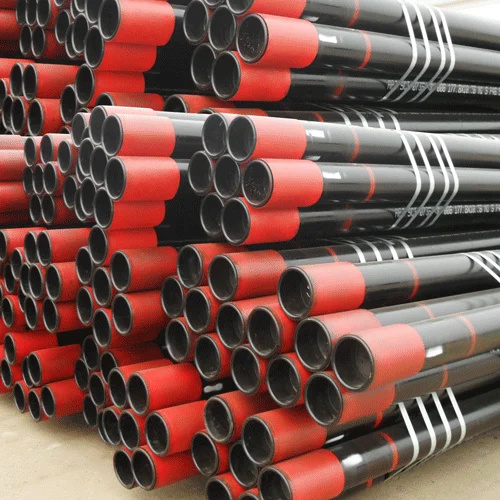
Tofauti za Maisha Kati ya API na Mabomba ya ASTM
tafiti za mafuta na gesi

Aidha, viwango vya utengenezaji na michakato ya udhibiti wa ubora wa mabomba ya API na ASTM yanaweza kuathiri muda wa maisha yao. Mabomba ya API yanatengenezwa kulingana na miongozo kali iliyowekwa na API ili kuhakikisha uthabiti katika ubora na utendaji. Viwango hivi vinashughulikia vipengele mbalimbali vya uzalishaji wa mabomba, ikiwa ni pamoja na upimaji wa nyenzo, taratibu za kulehemu, na itifaki za ukaguzi, ambayo yote yanachangia maisha marefu ya mabomba ya API.
Kwa kulinganisha, mabomba ya ASTM yanatengenezwa kwa mujibu wa viwango vilivyowekwa na ASTM, ambayo kuzingatia sifa za nyenzo, vipimo, na mbinu za kupima. Ingawa viwango vya ASTM vinahakikisha ubora na utegemezi wa mabomba kwa matumizi mbalimbali, muda wa maisha wa mabomba ya ASTM unaweza kuathiriwa na tofauti katika michakato ya utengenezaji na hatua za udhibiti wa ubora zinazotekelezwa na watengenezaji tofauti.
Kwa kumalizia, tofauti za muda wa maisha kati ya mabomba ya API na ASTM huathiriwa na mambo mbalimbali, ikiwa ni pamoja na matumizi yanayokusudiwa, muundo wa nyenzo, viwango vya utengenezaji, na michakato ya udhibiti wa ubora. Kuelewa tofauti hizi ni muhimu kwa kuchagua aina sahihi ya bomba kwa matumizi maalum ya viwanda na kuhakikisha maisha marefu na ufanisi wa mifumo ya mabomba. Kwa kuzingatia mambo haya, viwanda vinaweza kufanya maamuzi sahihi kuhusu uteuzi na matengenezo ya mabomba ili kuboresha utendakazi na kupunguza hatari ya kushindwa mapema.
Additionally, the Material composition of API and ASTM Pipes can impact their respective lifespans. API Pipes are often made from high-strength Carbon Steel or alloy steel to ensure structural integrity and resistance to corrosion. These materials are selected for their ability to withstand the demanding conditions encountered in the Oil and Gas industry, contributing to the longevity of API pipes.
In contrast, ASTM pipes are available in a wider range of materials, including carbon steel, Stainless Steel, and various alloys. The choice of material for ASTM pipes depends on the specific requirements of the application, such as Corrosion resistance, temperature tolerance, and mechanical properties. While ASTM pipes offer versatility in material selection, the lifespan of these pipes may vary depending on the material cHosen and its compatibility with the operating conditions.
Furthermore, the manufacturing standards and quality control processes for API and ASTM pipes can influence their lifespan. API pipes are manufactured according to strict guidelines set by the API to ensure consistency in quality and performance. These standards cover various aspects of pipe production, including material testing, welding procedures, and inspection protocols, all of which contribute to the longevity of API pipes.
In comparison, ASTM pipes are manufactured in accordance with standards established by the ASTM, which focus on material properties, dimensions, and testing methods. While ASTM standards ensure the quality and reliability of pipes for diverse applications, the lifespan of ASTM pipes may be affected by variations in manufacturing processes and quality control measures implemented by different Manufacturers.
In conclusion, the Differences in lifespan between API and ASTM pipes are influenced by various factors, including their intended applications, material composition, manufacturing standards, and quality control processes. Understanding these differences is essential for selecting the right type of pipe for specific industrial applications and ensuring the longevity and efficiency of piping systems. By considering these factors, industries can make informed decisions regarding the selection and Maintenance of pipes to optimize performance and minimize the risk of premature failure.