Ugunduzi wa Maeneo Mashuhuri ya Kutuma Maombi ya Mfuko wa Mafuta
Kuangazia Matumizi Mbalimbali ya Uwekaji Mafuta katika Sekta
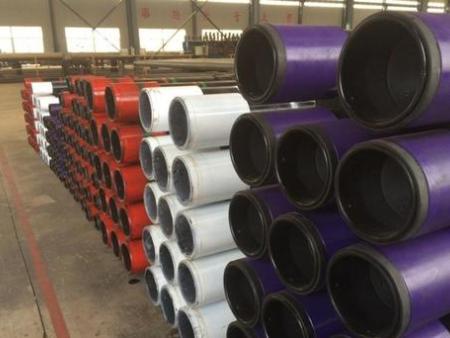
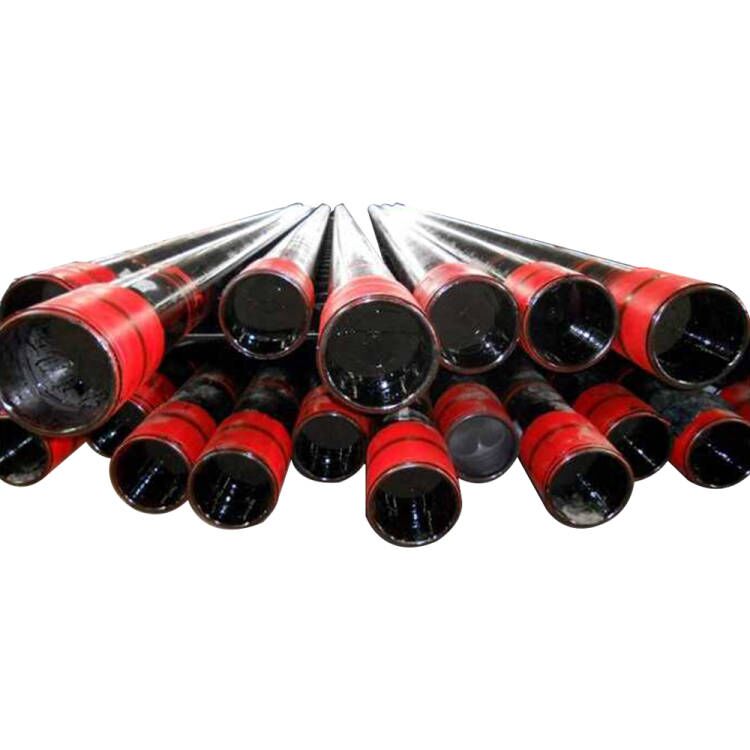
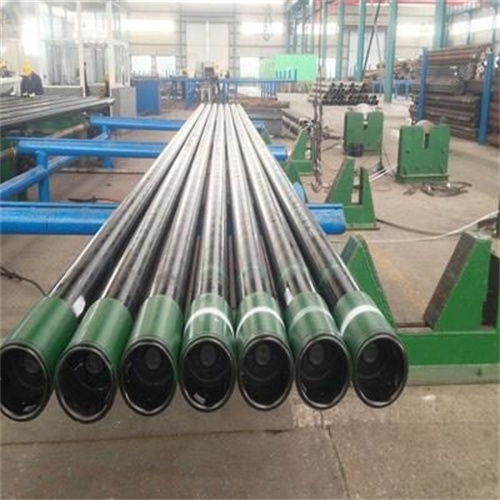
Uwekaji wa mafuta ni bidhaa yenye matumizi mengi ambayo hutoa utendaji kazi mwingi katika jamii yetu ya kisasa inayoendelea. Kwa asili, Casing ya mafuta ni mfululizo wa mabomba ya chuma ambayo hutumiwa kufunga matumizi ya ukuta katika visima vya mafuta na gesi, kuzuia uvujaji wa uchafu na kuhakikisha uchimbaji laini wa petroli na gesi asilia. Makala haya yanaangazia maeneo mengi ya matumizi ya nyenzo hii muhimu ya viwanda.
petroleum Casing Pipe Kampuni Bora ya Kichina
Kwa kumalizia, maeneo ya matumizi ya kabati ya mafuta ni mengi na tofauti. Kuanzia kudumisha uthabiti wa muundo wa visima vya mafuta na gesi hadi kulinda mazingira, kuwezesha michakato ya uchimbaji, kupunguza hatari katika uchimbaji wa pwani, kurekebisha hali tofauti za kijiolojia na kuchangia katika miradi muhimu ya uhandisi wa umma. Bila hivyo, utendakazi wa maeneo haya muhimu ungekuwa na changamoto kubwa, ikiwa haiwezekani. Hifadhi ya mafuta kwa kweli ni ya ajabu ya uhandisi wa kisasa wa kiviwanda wenye uwezo mwingi wa kuvutia na uimara katika matumizi yake.
Often, the bedrock of a successful drilling process is its casing design. With Oil Casing, engineers can maintain the stability of an oil or Gas well, ensuring that it remains structurally sound even at great depths. Casing prevents the well’s sidewalls from caving in during drilling, providing a clear passage for the drilling mud to travel upwards, removing cuttings from the well.
In more complex applications, oil casing plays a role in protecting freshwater reserves in the upper layer of soil. As the casing is installed, it creates a Sealed space between itself and the soil. This space is filled with cement, forming a barrier that safeguards the well from contaminating water zones. In this context, oil casing acts as an environmental protector, shielding both the earth’s subterranean treasures and surface water resources from the negative byproducts of drilling.
Besides environmental assisted roles, the casing also plays an instrumental role in the extraction process itself. It forms an essential conduit for the petroleum or natural gas to flow from the reservoir to the surface. This ensures efficient, swift, and safe transportation of the valuable Materials from the depths of the earth to the processing facilities.
https://youtube.com/watch?v=t4JR3TPOt7gIn the context of offshore drilling, the paramount role of oil casing cannot be overstated. The casing assists in stabilizing the sea floor wellhead and also aids in mitigating risks of formation fluids and gases bursting to the surface uncontrollably, which could lead to disastrous consequences, both economically and environmentally.
In the oil industry, different types of casings are required for stratified pressure layers and from Differences in geological conditions. Oil casing is designed with layers including the conductor casing, intermediate casing, and the production casing. Each layer of casing is tailored to handle different pressures and temperatures, providing comprehensive protection for the well and the surrounding formations.
Additionally, oil casing is also employed in the Construction of bridges, roadways, tunnels, and in various other civil engineering projects. Its high tensile strength and durability make it ideal for such applications, where structural integrity and long-term performance are of utmost importance.

In conclusion, the application areas of oil casing are manifold and varied. Ranging from maintaining the structural stability of Oil and Gas wells to protecting the environment, facilitating extraction processes, mitigating risks in offshore drilling, adjusting to diverse geological conditions and contributing to essential civil engineering projects. Without it, the functioning of these critical areas would be significantly challenging, if not impossible. The oil casing is truly a marvel of modern industrial engineering with impressive versatility and robustness in its applications.