Exploration of Renowned Application Areas of Oil Casing
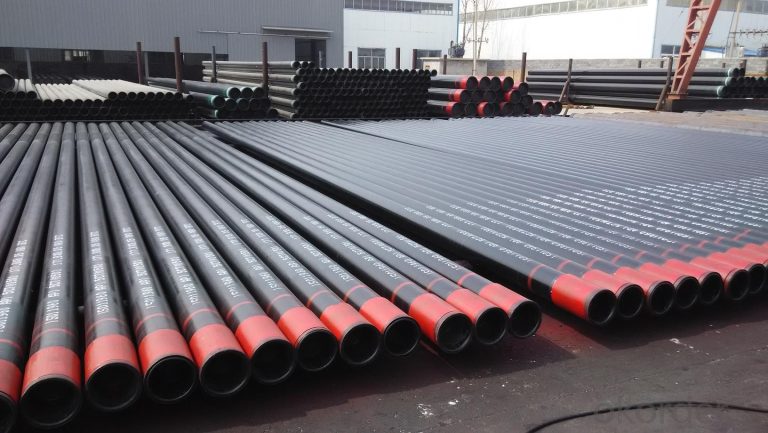
In a world increasingly reliant on fossil fuels, the functions and functionalities of oil casings have assumed greater significance. They equate to more than just tubes drilled into the ground\\u2014 in fact, they serve as the foundational bulwarks that ensure the reliability and longevity of an array of various industrial drilling and extraction processes.
Honing in on its primary application area, oil casings indeed play a vital role in Oil and Gas exploration ventures. These ventures embark upon many drilling projects which through the oil casing’s support, lead to the discovery of reserves. In the excitement of discovery, it’s easy to overlook the tremendous pressure exerted on the drilling borehole. Here, oil casings come to the fore, providing a protective layer to the borehole. This protective layer reduces the risk of collapsing layers and cross-contamination of different layers of rock and soil.
Moreover, oil casings serve as sturdy templates for the mining sector. For instance, they perform remarkably well in geological and hydrological drilling processes where there is a high requirement for strength and durability. Oil casings provide an enduring framework that helps miners deftly navigate through diverse geographical formations encompassing a widely varied range of rock and soil compositions. This contributes to increased safety and productivity in mining operations.
Continuing to explore its role in the industrial realm, oil casings shine in Construction projects as they display a high degree of utility as structural tubes. These robust tubes can bear significant load capacities, not just making them useful in vertical structural areas such as foundations, but also proving particularly effective in horizontal constructions such as bridges and tunnels. This capability to withstand heavy loads ensures minimal risk of structural failures, ultimately leading to safer and more durable constructions.
Interestingly, the application of oil casings transcends the traditional domain of construction, mining and fossil fuel excavation\\u2014 it is also making a mark in geothermal energy projects. Its solid and stable properties make oil casings an instrumental element in the creation of geothermal wells. These wells, which bore deep into the earth\\u2019s crust to access the heat energy trapped inside, are only made possible with the sturdy structure offered by oil casings.
Finally, oil casings have found a niche application area in scientific research initiatives, particularly in experimental projects aimed at exploring the earth\\u2019s subsurface environments. Scientists often introduce oil casings into drill holes to study the geophysical properties of the earth’s crust and mantle. These research projects offer integral insights that shape our understanding of the planet’s subsurface dynamics and geology.
To encapsulate, the application areas of oil casings are truly manifold, ranging from everyday construction projects to cutting-edge scientific research. They play a critical role in underpinning technology and exploration, proving indispensable across a wide variety of sectors. In essence, oil casings are less of a tool and more of a requisite that communities and industries around the globe heavily rely on, thereby accentuating their widespread importance.
Highlighting the Diverse Applications of Oil Casing in the Industry
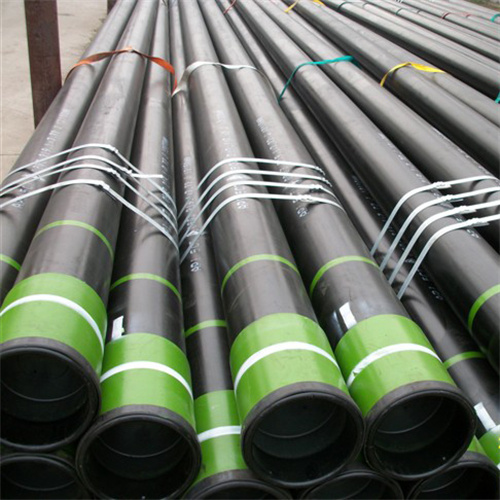
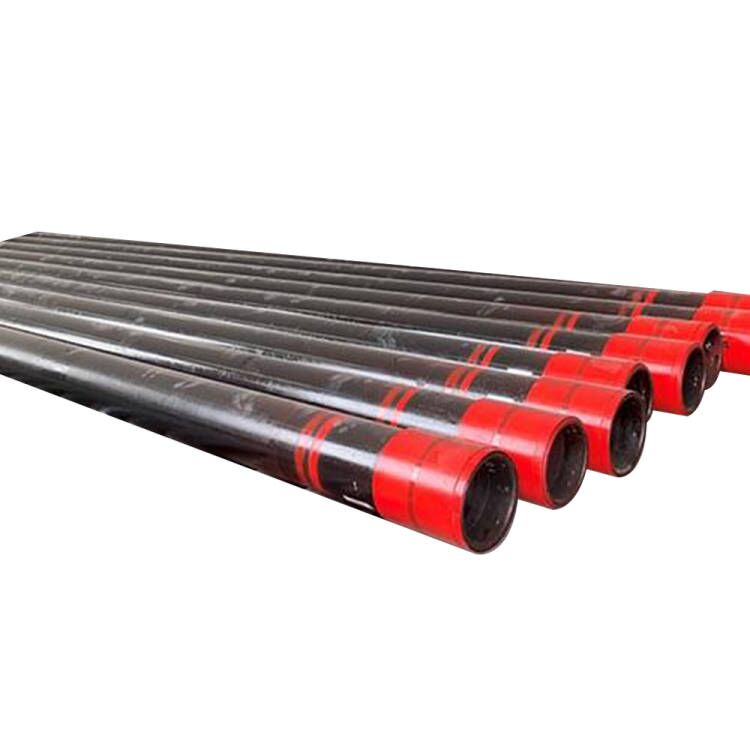
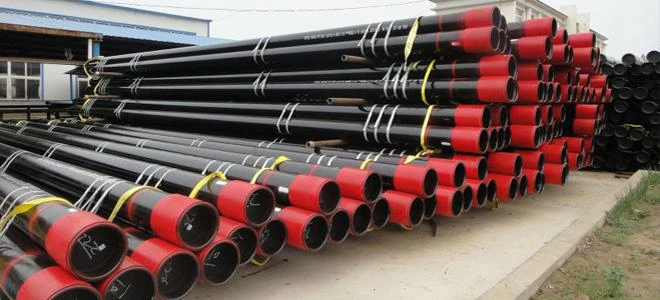
Oil casing is a versatile product that serves a plethora of functions in our contemporary progressive society. In essence, oil casing is a series of Steel Pipes that are used to confine wall applications in oil and gas wells, preventing contaminant Leakage and ensuring the Smooth extraction of petroleum and natural gas. This article shines a spotlight on the many application areas of this essential industrial Material.
PETROLEUM Casing Pipe Best chinese Company
Often, the bedrock of a successful drilling process is its casing design. With oil casing, engineers can maintain the stability of an oil or gas well, ensuring that it remains structurally sound even at great depths. Casing prevents the well’s sidewalls from caving in during drilling, providing a clear passage for the drilling mud to travel upwards, removing cuttings from the well.
In more complex applications, oil casing plays a role in protecting freshwater reserves in the upper layer of soil. As the casing is installed, it creates a Sealed space between itself and the soil. This space is filled with cement, forming a barrier that safeguards the well from contaminating water zones. In this context, oil casing acts as an environmental protector, shielding both the earth’s subterranean treasures and surface water resources from the negative byproducts of drilling.
Besides environmental assisted roles, the casing also plays an instrumental role in the extraction process itself. It forms an essential conduit for the petroleum or natural gas to flow from the reservoir to the surface. This ensures efficient, swift, and safe transportation of the valuable materials from the depths of the earth to the processing facilities.
https://youtube.com/watch?v=t4JR3TPOt7gIn the context of offshore drilling, the paramount role of oil casing cannot be overstated. The casing assists in stabilizing the sea floor wellhead and also aids in mitigating risks of formation fluids and gases bursting to the surface uncontrollably, which could lead to disastrous consequences, both economically and environmentally.
In the oil industry, different types of casings are required for stratified pressure layers and from Differences in geological conditions. Oil casing is designed with layers including the conductor casing, intermediate casing, and the production casing. Each layer of casing is tailored to handle different pressures and temperatures, providing comprehensive protection for the well and the surrounding formations.
Additionally, oil casing is also employed in the construction of bridges, roadways, tunnels, and in various other civil engineering projects. Its high tensile strength and durability make it ideal for such applications, where structural integrity and long-term performance are of utmost importance.

In conclusion, the application areas of oil casing are manifold and varied. Ranging from maintaining the structural stability of oil and gas wells to protecting the environment, facilitating extraction processes, mitigating risks in offshore drilling, adjusting to diverse geological conditions and contributing to essential civil engineering projects. Without it, the functioning of these critical areas would be significantly challenging, if not impossible. The oil casing is truly a marvel of modern industrial engineering with impressive versatility and robustness in its applications.