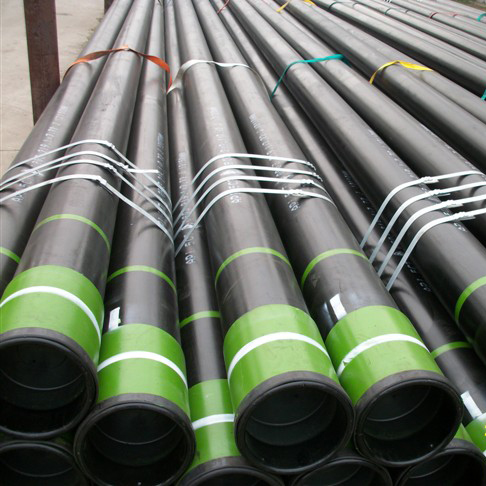
Different Types of Steel Used in Petroleum Casing Manufacturing
What kind of Materials are petroleum casing made of?
Different Types of Steel Used in Petroleum Casing Manufacturing
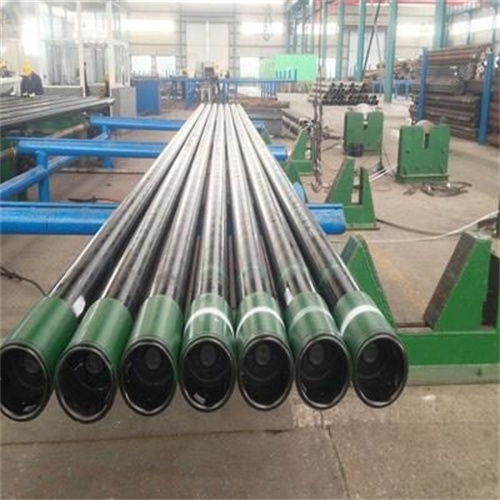
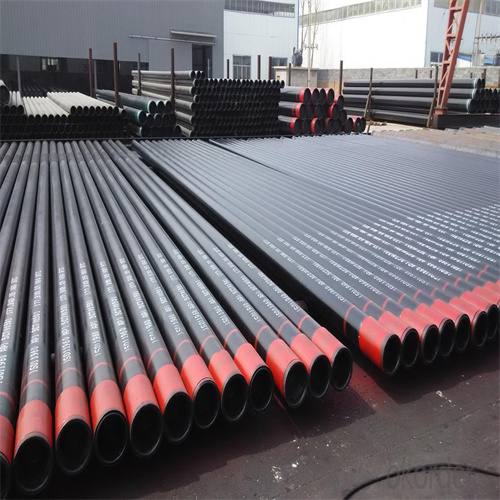
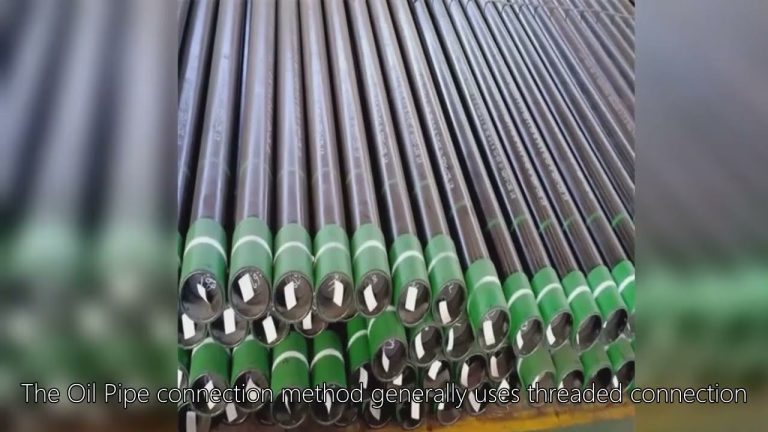
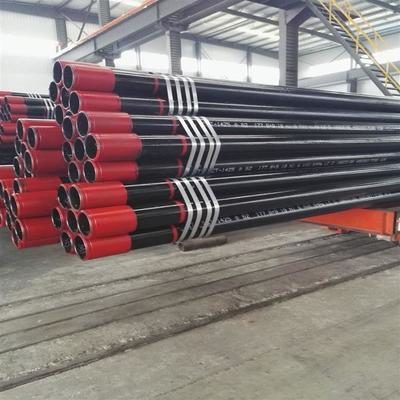
Petroleum casing, also known as Oil Well Casing, plays a crucial role in the Oil and Gas industry. It serves as a protective outer shell for oil and gas wells, ensuring the integrity of the wellbore and preventing the collapse of the surrounding formations. As such, the materials used in the manufacturing of petroleum casing must possess specific characteristics to withstand the harsh conditions encountered in drilling and production operations.
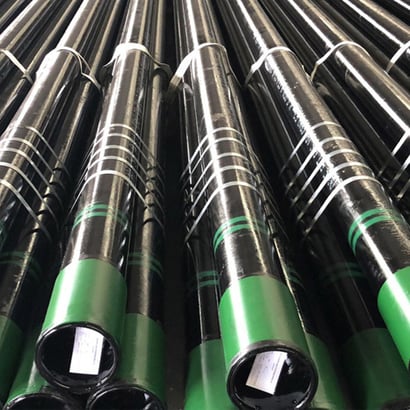 One of the most commonly used materials for petroleum casing is Carbon steel. Carbon steel is an alloy of iron and carbon, with varying amounts of other elements such as manganese, silicon, and sulfur. It is valued for its strength and durability, making it suitable for applications where high mechanical properties are required. Carbon steel casing can withstand high pressures and temperatures, making it ideal for deep drilling operations.
Another type of steel used in petroleum casing manufacturing is alloy steel. Alloy steel is a combination of iron and other elements, such as chromium, nickel, molybdenum, and vanadium. These alloying elements enhance the mechanical properties of the steel, making it more resistant to corrosion, wear, and fatigue. Alloy steel casing is often used in harsh environments where Corrosion resistance and High strength are critical.
Stainless Steel is another material commonly used in petroleum casing manufacturing. It is an alloy of iron, chromium, and other elements, such as nickel and molybdenum. Stainless steel offers excellent corrosion resistance, even in aggressive environments containing corrosive fluids and gases. This makes it well-suited for offshore drilling and production operations, where exposure to saltwater and other corrosive substances is common.
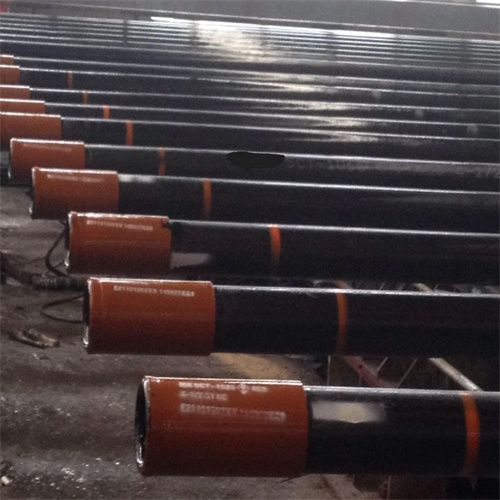
In addition to carbon steel, alloy steel, and stainless steel, there are also specialized steels used in petroleum casing manufacturing. For example, duplex stainless steel is a type of stainless steel that offers a combination of high strength and corrosion resistance. It is commonly used in offshore and subsea applications, where the casing is exposed to extreme pressures, temperatures, and corrosive environments.
Casing Pipe,casing well pipe, casing supreme pipe, casing vs carrier pipe, casing for ac pipe, casing Steel Pipe, casing pipe size, casing pvc pipe Price, casing pipe, casing pipe Suppliers in china, casing capping pipe, casing drill pipe,carrier pipe,casing pipe size,bushing flange,bushing Sleeve,bushing,bushing arm,bushing bearing,bushing reducer,bushing tool,bushing pvc,bushing meaning
Furthermore, some petroleum casing may be made of non-metallic materials, such as composite materials or fiberglass-reinforced plastics (FRP). These materials offer advantages such as high strength-to-Weight ratio, corrosion resistance, and electrical insulation properties. Non-metallic casing is often used in specific applications where weight reduction, resistance to corrosive fluids, or electromagnetic isolation is required.
In conclusion, petroleum casing is made of various types of steel, including carbon steel, alloy steel, and stainless steel. These materials provide the necessary strength, durability, and corrosion resistance required for oil and gas well drilling and production operations. Additionally, specialized steels and non-metallic materials may be
– Carbon Steel: This is the most common type of steel used in petroleum casing manufacturing. It offers good strength and toughness, making it suitable for various well conditions
What kind of materials are petroleum casing made of?
Petroleum casing is an essential component in the oil and gas industry, providing structural integrity and protection to Oil Wells. It is subjected to various well conditions, including high pressures, extreme temperatures, and corrosive environments. To ensure its performance and durability, petroleum casing is made from a variety of materials, with carbon steel being the most common type used in manufacturing.
Carbon steel is a type of steel that contains primarily carbon and iron, with trace amounts of other elements. It is renowned for its excellent strength and toughness, which are crucial properties in petroleum casing. These characteristics allow the casing to withstand the immense pressures and stresses encountered in oil and gas wells.
oil pipeline explosion,
One of the key advantages of carbon steel is its ability to maintain its structural integrity even in harsh environments. The presence of carbon in the steel enhances its hardness, making it resistant to deformation and fracture. This is particularly important in oil wells where the casing is exposed to high pressures, which can exert significant force on the material.
Additionally, carbon steel exhibits good resistance to corrosion, another critical requirement for petroleum casing. Oil wells are often exposed to corrosive substances, such as hydrogen sulfide and carbon dioxide, which can degrade the integrity of the casing over time. Carbon steel’s resistance to corrosion ensures that it can withstand these aggressive conditions and maintain its performance throughout the lifespan of the well.
Furthermore, carbon steel offers excellent weldability, allowing for efficient and reliable manufacturing processes. Welding is a common method used to join sections of casing together, and the properties of carbon steel make it an ideal material for this purpose. The weldability of carbon steel ensures strong and durable Connections, contributing to the overall integrity of the casing.
In conclusion, petroleum casing is made from various materials, with carbon steel being the most prevalent. Carbon steel provides the necessary strength, toughness, corrosion resistance, and weldability required for petroleum casing to withstand the demanding conditions in oil and gas wells. Its ability to maintain its structural integrity and performance in harsh environments makes it an ideal material choice. By utilizing carbon steel, the oil and gas industry can ensure the longevity and reliability of their well systems, ultimately contributing to the efficient extraction and production of oil and gas resources.
(Note: The above article is provided for informational purposes only and does not constitute professional advice or endorsement of any specific materials or practices. Please consult with experts in the field for further guidance.)