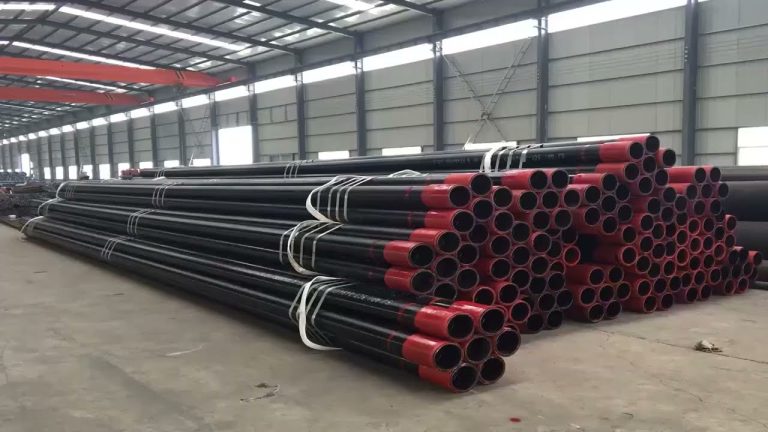
Kuelewa Ukubwa Tofauti wa Kisima cha Kisima cha Mafuta
Mbali na kipenyo cha nje, kabati la kisima cha mafuta pia huainishwa kwa uzito wake kwa kila mguu, ambayo ni kipimo cha unene na uimara wa ganda. Uzito kwa kila futi ya Casing kwa kawaida huonyeshwa kwa pauni, huku ukubwa wa kabati zito zaidi ukitoa nguvu zaidi na uimara wa visima virefu na hali ngumu ya kuchimba visima.
Hose ya bomba
Maneno ya mpito kama vile “pamoja na,” “kama matokeo,” na “zaidi ya hayo” inaweza kusaidia kumwongoza msomaji kupitia saizi tofauti na uainishaji wa kabati la kisima cha mafuta. Kwa kuelewa ukubwa na uainishaji mbalimbali wa kabati la visima vya mafuta, wahandisi wa kuchimba visima na waendeshaji wanaweza kufanya maamuzi sahihi kuhusu aina ya kabati itakayotumika katika hatua tofauti za uchimbaji na ukamilishaji.
Kwa kumalizia, kifuko cha kisima cha mafuta huja katika ukubwa mbalimbali kutoka kwa vipenyo vidogo kwa hatua za awali za kuchimba visima hadi vipenyo vikubwa kwa visima na uzalishaji zaidi. Ukubwa na uzito kwa kila futi ya casing ni mambo muhimu ya kuzingatia katika kuhakikisha uadilifu wa muundo na usalama wa kisima. Kwa kuchagua ukubwa na uzito unaofaa wa kabati kwa kila hatua ya uchimbaji na ukamilishaji, waendeshaji wanaweza kuongeza ufanisi na tija ya visima vyao vya mafuta na gesi.
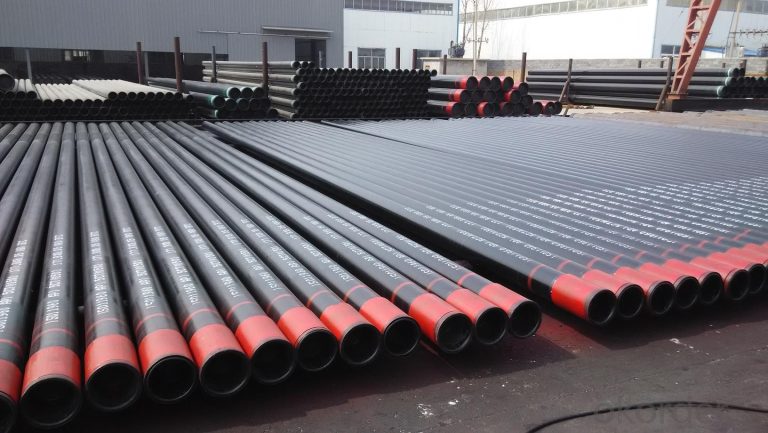
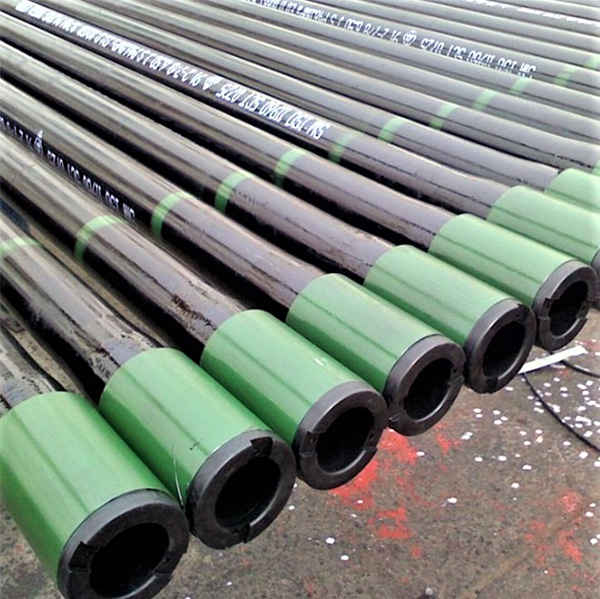
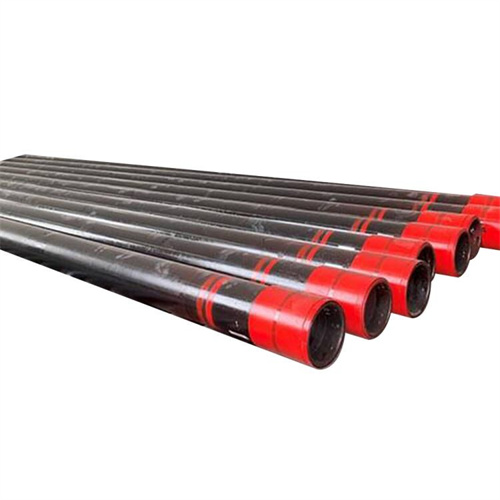
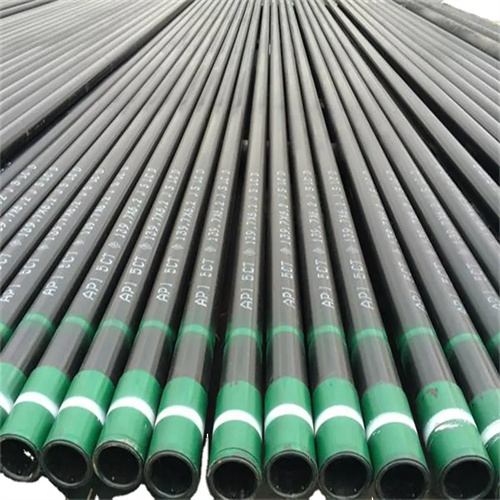 The size of Oil Well Casing is typically measured by its outside Diameter, which is expressed in inches. The most common sizes of Oil Well casing range from 4 1/2 inches to 13 3/8 inches in diameter. The choice of casing size depends on several factors, including the depth of the well, the type of formation being drilled through, and the production requirements of the well.
oil Sleeve bearingSmaller casing sizes, such as 4 1/2 inches and 5 inches, are commonly used in the initial stages of drilling a well. These smaller sizes are typically used to protect the wellbore from collapsing and to provide structural support during the drilling process. As the well is drilled deeper, larger casing sizes are often required to provide additional support and to prevent the wellbore from collapsing under the pressure of the surrounding rock formations.
Casing sizes of 7 inches and 9 5/8 inches are commonly used in intermediate stages of drilling, where the well is being drilled through multiple formations with varying pressures and geological characteristics. These larger casing sizes provide the necessary support and protection for the wellbore as it progresses deeper into the earth.
The largest casing sizes, such as 13 3/8 inches, are typically used in the final stages of drilling and completion, where the well is being prepared for production. These larger casing sizes are designed to withstand the high pressures and temperatures that are often encountered in deep wells and to provide a secure barrier between the wellbore and the surrounding formations.
In addition to the outside diameter, oil well casing is also classified by its Weight per foot, which is a measure of the thickness and strength of the casing. The weight per foot of casing is typically expressed in pounds, with heavier casing sizes providing greater strength and durability for deep wells and challenging drilling conditions.
Radiator Hose
Transitional phrases such as “in addition to,” “as a result,” and “furthermore” can help guide the reader through the different sizes and classifications of oil well casing. By understanding the various sizes and classifications of oil well casing, drilling engineers and operators can make informed decisions about the type of casing to use in different stages of drilling and completion.
In conclusion, oil well casing comes in a range of sizes, from smaller diameters for initial drilling stages to larger diameters for deeper wells and production. The size and weight per foot of casing are important considerations in ensuring the structural integrity and safety of the wellbore. By choosing the right size and weight of casing for each stage of drilling and completion, operators can maximize the efficiency and productivity of their Oil and Gas wells.