Umuhimu wa Mbinu Sahihi za Ufungaji kwa Mabomba ya Kuweka Visima vya Maji
Faida na Hasara za Nyenzo Mbalimbali Zinazotumika katika Mabomba ya Kuweka Visima vya Maji
Kwa muhtasari, mabomba ya visima vya maji yanapatikana katika nyenzo mbalimbali, kila moja ikiwa na faida na hasara zake. Mabomba ya Casing ya chuma hutoa nguvu na uimara wa kipekee lakini yanaathiriwa na kutu na yanahitaji usakinishaji maalum. Mabomba ya PVC yanastahimili kutu na ni nyepesi lakini yanaweza kukosa nguvu kwa matumizi fulani. Fiberglass casing mabomba huchanganya upinzani kutu na kudumu lakini inaweza kuwa katika hatari ya uharibifu UV. Kwa kuelewa sifa za nyenzo tofauti, wamiliki wa visima wanaweza kufanya maamuzi sahihi ili kuhakikisha kuegemea na ufanisi wa mifumo yao ya visima vya maji.
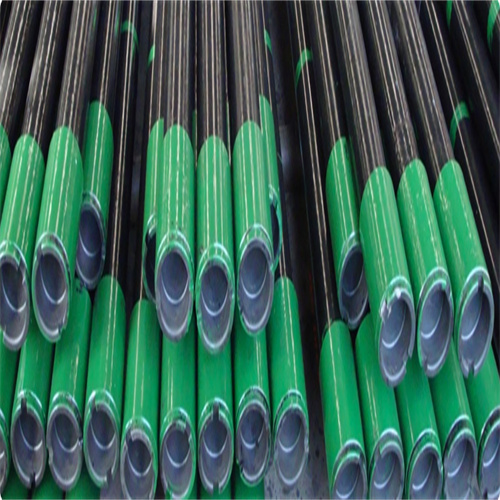
In conclusion, water well Casing Pipes are a critical component of water well systems, and proper installation techniques are essential to ensure their integrity and functionality. By selecting the appropriate casing pipe size and Material, using the correct installation method, and ensuring proper Sealing and Maintenance, homeowners and well drillers can help to safeguard their water supply and extend the lifespan of their well system.
Advantages and Disadvantages of Different Materials Used in Water Well casing Pipes
Water Well Casing pipes are crucial components of groundwater systems, playing a pivotal role in protecting the well and maintaining water quality. These pipes are available in various materials, each with its own set of advantages and disadvantages. Understanding these Differences is essential for ensuring the longevity and efficiency of water well systems.
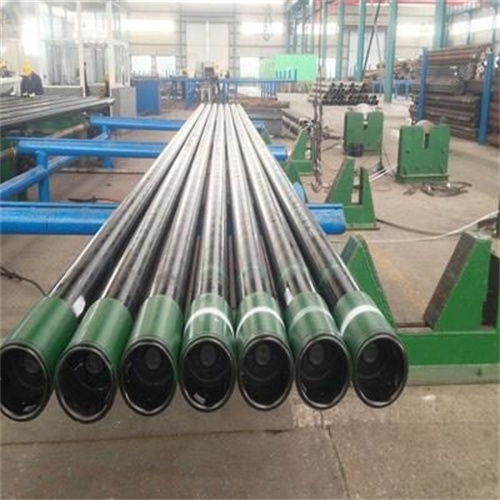
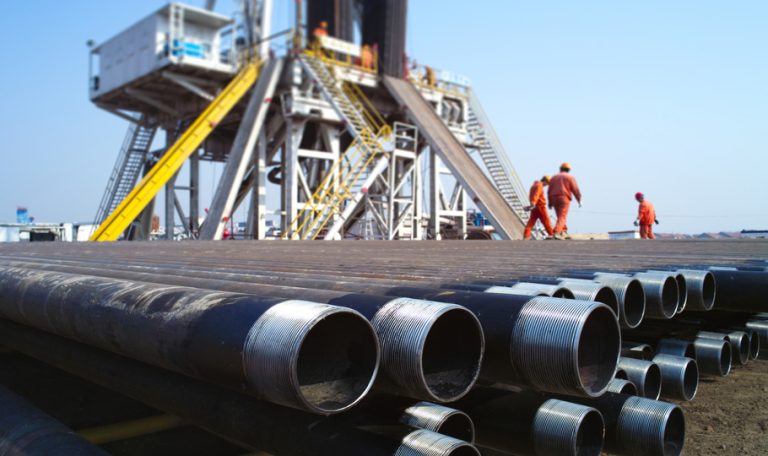
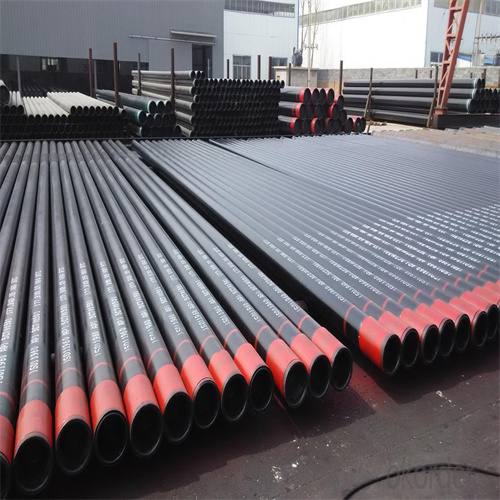
One commonly used material for water well casing pipes is Steel. steel casing pipes offer exceptional strength and durability, making them suitable for deep wells and harsh environments. Their resistance to corrosion and mechanical damage ensures long-term performance and minimal maintenance requirements. Additionally, steel casing pipes provide excellent structural integrity, capable of withstanding high pressure and external forces.
However, steel casing pipes also have some drawbacks. One significant concern is corrosion, especially in corrosive environments or acidic groundwater conditions. Without proper protection, steel casing pipes can deteriorate over time, compromising the integrity of the well and potentially contaminating the water supply. Moreover, steel casing pipes are relatively heavy and may require specialized equipment for installation, increasing overall costs and complexity.
Another material commonly used for water well casing pipes is PVC (polyvinyl chloride). PVC casing pipes offer several advantages, including Corrosion resistance, lightWeight Construction, and ease of installation. Unlike steel, PVC is immune to rust and chemical corrosion, making it ideal for wells in corrosive sOil or water conditions. Additionally, PVC casing pipes are lightweight, facilitating easier handling and installation, thereby reducing labor costs and installation time.
Despite these benefits, PVC casing pipes also have limitations. One concern is their susceptibility to damage from external forces or pressure. PVC pipes are less rigid than steel, making them more prone to deformation or cracking under certain conditions. Additionally, PVC casing pipes may not be suitable for deep wells or high-pressure applications, as they lack the strength and structural integrity of steel.
Fiberglass is another material used in water well casing pipes, offering a unique combination of properties. Fiberglass casing pipes are lightweight, corrosion-resistant, and highly durable, making them suitable for various well applications. Their superior corrosion resistance ensures long-term performance, even in aggressive groundwater environments. Additionally, fiberglass casing pipes are easy to handle and install, further reducing installation time and costs.
However, fiberglass casing pipes also have some limitations. One concern is their susceptibility to UV degradation when exposed to sunlight for prolonged periods. Without adequate protection, fiberGlass Pipes can become brittle and prone to cracking, compromising their structural integrity. Moreover, fiberglass casing pipes may be more expensive than other materials initially, although their long-term durability can offset these costs over time.
In summary, water well casing pipes are available in various materials, each with its own set of advantages and disadvantages. Steel casing pipes offer exceptional strength and durability but are susceptible to corrosion and require specialized installation. PVC casing pipes are corrosion-resistant and lightweight but may lack the strength for certain applications. Fiberglass casing pipes combine corrosion resistance with durability but may be vulnerable to UV degradation. By understanding the characteristics of different materials, well owners can make informed decisions to ensure the reliability and efficiency of their water well systems.