Mabomba ya Kuweka Chuma: Manufaa na Matumizi katika Ujenzi wa Kisima
PVC Casing Pipes: Manufaa na Mazingatio ya Kuweka Kisima
Kwa kumalizia, mabomba ya PVC yana faida kubwa kwa ujenzi wa kisima, ikiwa ni pamoja na uimara, upinzani wa kutu, urahisi wa usakinishaji, uso laini wa ndani na kutopitisha hewa. Faida hizi hufanya mabomba ya PVC kuwa chaguo maarufu kwa programu nyingi za casing vizuri, hasa katika mazingira yasiyohitaji sana ambapo ufanisi wa gharama na urahisi wa kushughulikia ni muhimu. Hata hivyo, ni muhimu kutathmini kwa uangalifu hali mahususi za kila tovuti ya kisima ili kubaini kama mabomba ya kabati ya PVC ndiyo chaguo lifaalo zaidi au ikiwa nyenzo nyingine zinaweza kukidhi vyema mahitaji ya uimara na upinzani wa halijoto.
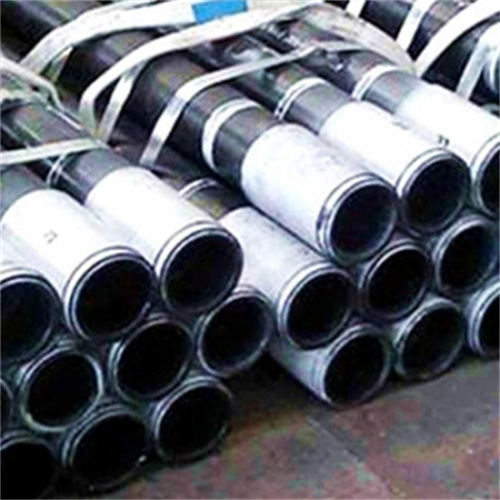
 Furthermore, Steel casing pipes are versatile and can be customized to meet specific well requirements. They are available in various Diameters and thicknesses to accommodate different well depths and pressure conditions. This flexibility allows engineers and operators to design wells that optimize production while adhering to safety and environmental standards.
In addition to their strength and versatility, steel casing Pipes are highly resistant to chemical corrosion. This characteristic is particularly important in wells where the extracted fluids may contain corrosive elements that could degrade other Materials over time. By using steel casing pipes, operators can mitigate the risk of structural failure and costly Repairs, thereby enhancing the overall efficiency and reliability of the well.
Steel casing pipes find applications across various industries, including Oil and Gas exploration, water extraction, and geothermal energy production. In oil and gas wells, these pipes are essential for maintaining well stability and preventing groundwater contamination. In water wells, steel casing pipes ensure the purity of the extracted water and protect against external pollutants. In geothermal wells, where high temperatures and pressures are encountered, steel casing pipes provide a durable solution that withstands extreme conditions.
The installation of steel casing pipes requires careful planning and expertise to ensure proper alignment and Sealing. Once installed, these pipes are typically cemented into place to further enhance well stability and seal off potential pathways for fluid migration. Regular inspections and Maintenance are essential to monitor the condition of steel casing pipes and address any issues promptly to prevent operational disruptions or environmental hazards.
In conclusion, steel casing pipes are a critical component in the Construction of wells due to their strength, durability, and resistance to corrosion. They provide essential protection for the wellbore, ensure the integrity of the extraction process, and contribute to the overall efficiency and safety of well operations. By choosing steel casing pipes, operators can optimize well performance and longevity while meeting stringent regulatory requirements. As technology advances, the development of innovative steel alloys and manufacturing techniques contiNues to enhance the capabilities of steel casing pipes, ensuring they remain a cornerstone of modern well construction practices.
PVC Casing Pipes: Benefits and Considerations for Well Casing
When it comes to constructing a well casing, one of the primary considerations is the choice of material for the pipes. Among the various options available, PVC (Polyvinyl Chloride) casing pipes stand out for their unique benefits and considerations.
PVC casing pipes are widely cHosen for their durability and affordability. Made from a synthetic plastic polymer, PVC pipes are resistant to corrosion, which is particularly advantageous in environments where the groundwater may contain corrosive elements. This Corrosion resistance ensures a longer lifespan for the well casing, reducing maintenance costs over time.
In addition to their durability, PVC casing pipes are lightWeight and easy to handle during installation. This characteristic simplifies the process of drilling and setting up the well, making it more efficient and cost-effective. The lightweight nature of PVC pipes also contributes to easier transportation to remote or difficult-to-access locations.
Another significant benefit of PVC casing pipes is their Smooth internal surface. This smoothness reduces friction within the pipe, which in turn improves the flow rate of water from the well. Enhanced flow rates are particularly beneficial in wells that need to supply large volumes of water, such as agricultural or industrial wells.
Furthermore, PVC casing pipes are non-conductive, meaning they do not conduct electricity. This property is crucial in wells where electrical equipment or sensors are used, as it reduces the risk of electrical interference and ensures the safe operation of such equipment.
Despite these advantages, there are some considerations to keep in mind when opting for PVC casing pipes. One such consideration is the Temperature resistance of PVC. While PVC pipes can withstand a wide range of temperatures, they may not be suitable for extremely high-temperature environments. It is essential to assess the specific temperature conditions of the well site to ensure that PVC pipes will perform adequately over the long term.
Additionally, PVC pipes may not be as strong as metal alternatives, such as steel or iron casing pipes. In wells where there is a risk of heavy external pressure or mechanical stress, such as deep wells or wells located in unstable geological formations, stronger materials may be preferred for casing to ensure the integrity and longevity of the well structure.
In conclusion, PVC casing pipes offer significant benefits for well construction, including durability, corrosion resistance, ease of installation, smooth internal surface, and non-conductivity. These advantages make PVC pipes a popular choice for many well casing applications, especially in less demanding environments where cost-effectiveness and ease of handling are paramount. However, it is essential to carefully evaluate the specific conditions of each well site to determine whether PVC casing pipes are the most suitable choice or if other materials may better meet the requirements for strength and temperature resistance.