أنابيب الغلاف الفولاذي: المزايا والتطبيقات في بناء الآبار
أفضل شركة أنبوبة زيت في الصين
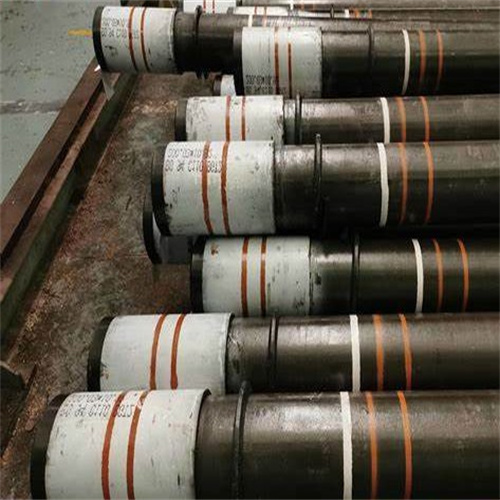
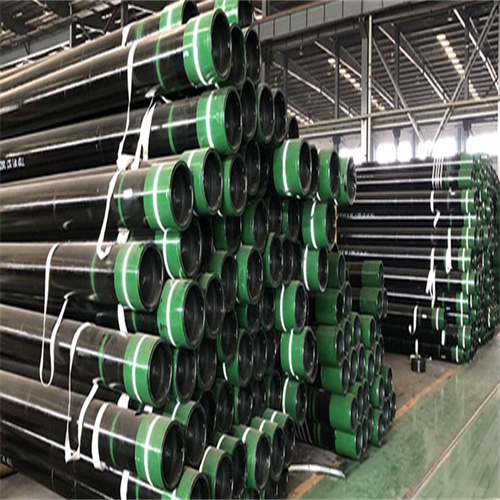
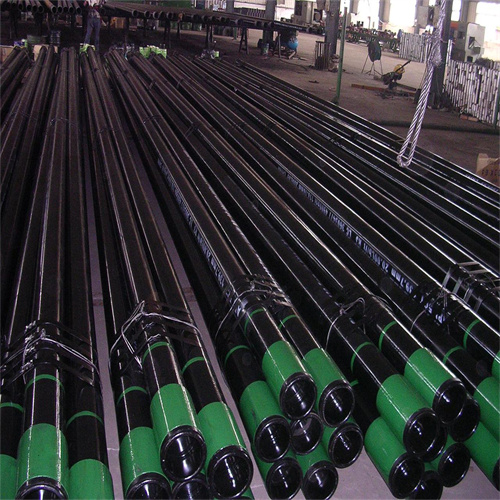
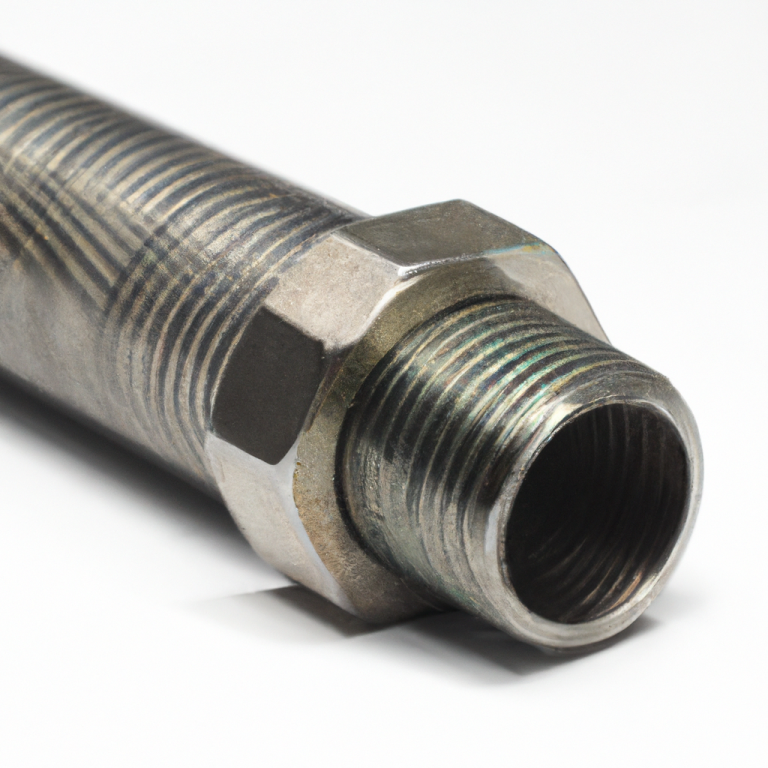
واحدة من المزايا الأساسية لأنابيب الغلاف الفولاذي هي قوتها ومتانتها الاستثنائية. مصنوعة من سبائك فولاذية عالية الجودة، يمكن لهذه الأنابيب أن تتحمل الضغط العالي والتآكل والتآكل، مما يجعلها مثالية للاستخدام في البيئات الصعبة. يضمن البناء السلس أو الملحوم لأنابيب الغلاف الفولاذي الاتساق والموثوقية، وهي عوامل حاسمة في الحفاظ على سلامة البئر على المدى الطويل.
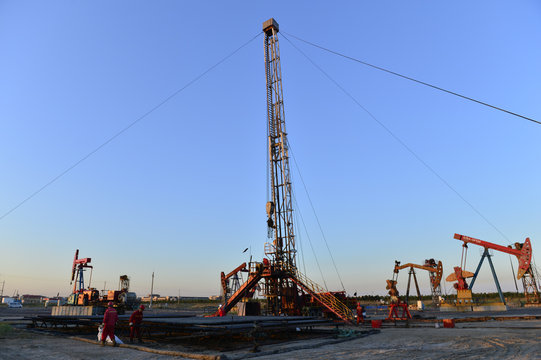
في بناء البئر، تُستخدم أنابيب التغليف الفولاذية لتبطين حفرة البئر وحماية حفرة البئر من الانهيار. كما أنها تمنع تلوث السوائل المستخرجة وتوفر قناة لعملية الاستخراج. تعمل الوصلات غير الملحومة لأنابيب التغليف الفولاذية على تقليل مخاطر التسربات أو الأعطال، مما يضمن التشغيل الفعال والآمن للبئر.
أنابيب التغليف PVC: فوائد واعتبارات لتغليف الآبار
 عندما يتعلق الأمر ببناء غلاف البئر، فإن أحد الاعتبارات الأساسية هو اختيار المواد اللازمة للأنابيب. من بين الخيارات المتنوعة المتاحة، تتميز أنابيب التغليف PVC (البولي فينيل كلورايد) بفوائدها واعتباراتها الفريدة.
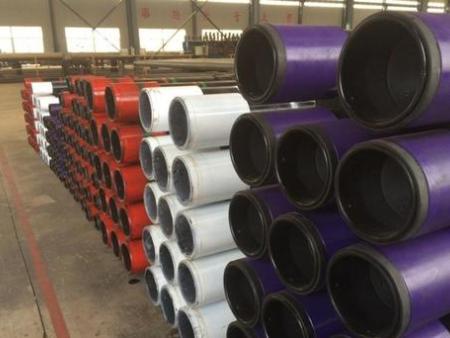
يتم اختيار أنابيب التغليف PVC على نطاق واسع نظرًا لمتانتها وقدرتها على تحمل التكاليف. مصنوعة من بوليمر بلاستيكي صناعي، الأنابيب البلاستيكية مقاومة للتآكل، وهو أمر مفيد بشكل خاص في البيئات التي قد تحتوي فيها المياه الجوفية على عناصر قابلة للتآكل. تضمن مقاومة التآكل عمرًا أطول لغلاف البئر، مما يقلل من تكاليف الصيانة بمرور الوقت.
بالإضافة إلى متانتها، تتميز أنابيب غلاف PVC بخفة الوزن وسهولة التعامل معها أثناء التثبيت. تعمل هذه الخاصية على تبسيط عملية الحفر وإعداد البئر، مما يجعلها أكثر كفاءة وفعالية من حيث التكلفة. تساهم الطبيعة خفيفة الوزن لأنابيب PVC أيضًا في تسهيل النقل إلى الأماكن النائية أو التي يصعب الوصول إليها.
من المزايا المهمة الأخرى لأنابيب غلاف PVC هو سطحها الداخلي الأملس. تعمل هذه النعومة على تقليل الاحتكاك داخل الأنبوب، مما يؤدي بدوره إلى تحسين معدل تدفق الماء من البئر. تعتبر معدلات التدفق المحسنة مفيدة بشكل خاص في الآبار التي تحتاج إلى توفير كميات كبيرة من المياه، مثل الآبار الزراعية أو الصناعية.
علاوة على ذلك، فإن أنابيب التغليف البلاستيكية غير موصلة، مما يعني أنها لا توصل الكهرباء. تعتبر هذه الخاصية حاسمة في الآبار حيث يتم استخدام المعدات الكهربائية أو أجهزة الاستشعار، لأنها تقلل من خطر التداخل الكهربائي وتضمن التشغيل الآمن لهذه المعدات.
على الرغم من هذه المزايا، هناك بعض الاعتبارات التي يجب وضعها في الاعتبار عند اختيار غلاف PVC أنابيب. أحد هذه الاعتبارات هو مقاومة درجة الحرارة للـ PVC. في حين أن الأنابيب البلاستيكية يمكن أن تتحمل نطاقًا واسعًا من درجات الحرارة، إلا أنها قد لا تكون مناسبة لبيئات درجات الحرارة المرتفعة للغاية. من الضروري تقييم ظروف درجة الحرارة المحددة لموقع البئر للتأكد من أن أنابيب PVC ستعمل بشكل مناسب على المدى الطويل.
بالإضافة إلى ذلك، قد لا تكون أنابيب PVC قوية مثل البدائل المعدنية، مثل أنابيب التغليف الفولاذية أو الحديدية. في الآبار التي يوجد فيها خطر الضغط الخارجي الشديد أو الإجهاد الميكانيكي، مثل الآبار العميقة أو الآبار الموجودة في التكوينات الجيولوجية غير المستقرة، قد يتم تفضيل المواد الأقوى للتغليف لضمان سلامة وطول عمر هيكل البئر.
في الختام، توفر أنابيب التغليف البلاستيكية فوائد كبيرة لبناء الآبار، بما في ذلك المتانة، ومقاومة التآكل، وسهولة التركيب، والسطح الداخلي الأملس، وعدم الموصلية. هذه المزايا تجعل من أنابيب PVC خيارًا شائعًا للعديد من تطبيقات تغليف الآبار، خاصة في البيئات الأقل تطلبًا حيث تعد فعالية التكلفة وسهولة التعامل أمرًا بالغ الأهمية. ومع ذلك، من الضروري إجراء تقييم دقيق للظروف المحددة لكل موقع بئر لتحديد ما إذا كانت أنابيب التغليف PVC هي الخيار الأكثر ملاءمة أو ما إذا كانت المواد الأخرى قد تلبي بشكل أفضل متطلبات القوة ومقاومة درجات الحرارة.
When it comes to constructing a Well Casing, one of the primary considerations is the choice of Material for the Pipes. Among the various options available, PVC (Polyvinyl Chloride) Casing Pipes stand out for their unique benefits and considerations.
PVC casing pipes are widely cHosen for their durability and affordability. Made from a synthetic plastic polymer, PVC pipes are resistant to corrosion, which is particularly advantageous in environments where the groundwater may contain corrosive elements. This Corrosion resistance ensures a longer lifespan for the well casing, reducing Maintenance costs over time.
In addition to their durability, PVC casing pipes are lightWeight and easy to handle during installation. This characteristic simplifies the process of drilling and setting up the well, making it more efficient and cost-effective. The lightweight nature of PVC pipes also contributes to easier transportation to remote or difficult-to-access locations.
Another significant benefit of PVC casing pipes is their Smooth internal surface. This smoothness reduces friction within the pipe, which in turn improves the flow rate of water from the well. Enhanced flow rates are particularly beneficial in wells that need to supply large volumes of water, such as agricultural or industrial wells.
Furthermore, PVC casing pipes are non-conductive, meaning they do not conduct electricity. This property is crucial in wells where electrical equipment or sensors are used, as it reduces the risk of electrical interference and ensures the safe operation of such equipment.
Despite these advantages, there are some considerations to keep in mind when opting for PVC casing pipes. One such consideration is the Temperature resistance of PVC. While PVC pipes can withstand a wide range of temperatures, they may not be suitable for extremely high-temperature environments. It is essential to assess the specific temperature conditions of the well site to ensure that PVC pipes will perform adequately over the long term.
Additionally, PVC pipes may not be as strong as metal alternatives, such as Steel or iron casing pipes. In wells where there is a risk of heavy external pressure or mechanical stress, such as deep wells or wells located in unstable geological formations, stronger materials may be preferred for casing to ensure the integrity and longevity of the well structure.
In conclusion, PVC casing pipes offer significant benefits for well Construction, including durability, corrosion resistance, ease of installation, smooth internal surface, and non-conductivity. These advantages make PVC pipes a popular choice for many well casing applications, especially in less demanding environments where cost-effectiveness and ease of handling are paramount. However, it is essential to carefully evaluate the specific conditions of each well site to determine whether PVC casing pipes are the most suitable choice or if other materials may better meet the requirements for strength and temperature resistance.