Integration of IoT Technology in Oil Casing for Enhanced Monitoring and Control
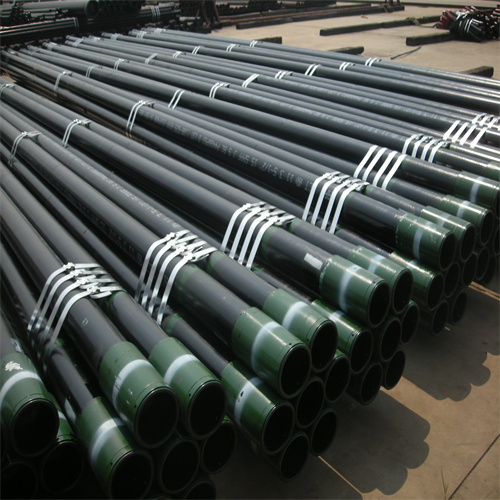
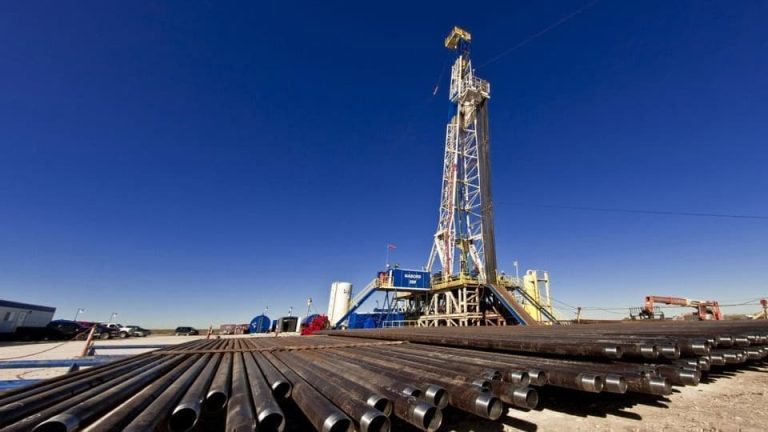
Oil casing plays a crucial role in the Oil and Gas industry, providing structural support and protection for wells during drilling and production operations. With the advancement of technology, the integration of Internet of Things (IoT) technology in oil casing has opened up new possibilities for enhanced monitoring and control in intelligent oil and gas exploitation.
One of the key trends in the industry is the use of smart oil casing embedded with sensors that can collect real-time data on various parameters such as temperature, pressure, and flow rates. These sensors enable operators to monitor the well conditions remotely and make informed decisions to optimize production efficiency and ensure safety.
The integration of IoT technology in oil casing also allows for predictive Maintenance strategies. By analyzing the data collected from sensors, operators can detect potential issues before they escalate into costly failures, leading to improved reliability and reduced downtime.
Furthermore, IoT-enabled oil casing facilitates automated control systems that can adjust production parameters in real-time based on the data received from sensors. This level of automation not only increases operational efficiency but also minimizes the risk of human error.
In addition to monitoring and control, IoT technology in oil casing enables asset tracking and inventory management. By tagging each section of casing with unique identifiers, operators can easily track the location, usage history, and maintenance records of each component, streamlining logistics and ensuring compliance with regulations.
The implementation of IoT in oil casing is not without challenges. Security and data privacy concerns are paramount, given the sensitive nature of the information collected by sensors. Robust cybersecurity measures must be in place to protect against potential cyber threats and unauthorized access to critical infrastructure.
Despite these challenges, the prospects of IoT technology in oil casing are promising. As the industry contiNues to embrace digital transformation, the integration of smart technologies will play a pivotal role in driving efficiency, reducing costs, and improving overall operational performance.
In conclusion, the integration of IoT technology in oil casing represents a significant advancement in intelligent oil and gas exploitation. By leveraging real-time data analytics, predictive maintenance, and automated control systems, operators can optimize production processes, enhance safety, and ensure sustainable operations in the ever-evolving energy landscape.
Utilizing AI Algorithms for Predictive Maintenance of Oil Casing Systems
Oil casing plays a crucial role in the oil and gas industry, providing structural support and protection for wells during drilling and production operations. With the advent of intelligent oil and gas exploitation, the use of advanced technologies such as AI algorithms has become increasingly prevalent in the predictive maintenance of oil casing systems. These technologies offer a range of benefits, from optimizing operational efficiency to reducing downtime and maintenance costs.
One of the key trends in the utilization of AI algorithms for predictive maintenance of oil casing systems is the integration of real-time data monitoring and analysis. By leveraging sensors and IoT devices installed along the casing, operators can gather continuous data on temperature, pressure, corrosion levels, and other key parameters. AI algorithms can then process this data in real-time to detect anomalies, predict potential failures, and recommend proactive maintenance actions.
Furthermore, machine learning algorithms are being employed to develop predictive models that can forecast the remaining useful life of oil casing components. By analyzing historical data on casing performance, environmental conditions, and operational parameters, these models can provide insights into the expected lifespan of casing sections and identify areas that may require immediate attention. This proactive approach to maintenance helps operators avoid unexpected failures and extend the longevity of their assets.
Another emerging trend is the use of AI-powered predictive analytics to optimize casing design and Material selection. By simulating different operating scenarios and environmental conditions, AI algorithms can identify the most suitable casing materials, coatings, and configurations to enhance durability and performance. This data-driven approach enables operators to make informed decisions that align with their operational requirements and budget constraints.
In addition to predictive maintenance, AI algorithms are also being applied to enhance the safety and reliability of oil casing systems. By analyzing historical failure data and conducting risk assessments, these algorithms can identify potential failure modes, prioritize maintenance activities, and recommend preventive measures to mitigate risks. This proactive risk management approach helps operators maintain a safe working environment and comply with industry regulations.
Looking ahead, the prospects of AI in oil casing maintenance are promising. As technology continues to evolve, we can expect further advancements in predictive analytics, machine learning, and IoT integration to revolutionize how oil and gas operators manage their casing assets. By embracing these trends and leveraging the power of AI algorithms, Companies can unlock new opportunities for operational efficiency, cost savings, and sustainable resource management in the oil and gas sector.
In conclusion, the integration of AI algorithms for predictive maintenance of oil casing systems represents a significant advancement in the intelligent oil and gas exploitation landscape. By harnessing the power of data analytics, machine learning, and predictive modeling, operators can optimize their maintenance strategies, improve asset performance, and ensure the long-term integrity of their oil casing infrastructure. This transformative approach not only enhances operational efficiency but also paves the way for a more sustainable and resilient oil and gas industry in the future.
Implementing Blockchain for Secure Data Management in Oil Casing Operations
Oil casing plays a crucial role in the efficient extraction of oil and gas resources. As the oil and gas industry continues to evolve, the integration of intelligent technologies has become increasingly prevalent. One of the key trends in this sector is the implementation of blockchain technology for secure data management in oil casing operations.
Blockchain, known for its decentralized and secure nature, offers a promising solution to the challenges faced in managing data related to oil casing. By leveraging blockchain, companies can ensure the integrity and confidentiality of critical information throughout the oil and gas extraction process. This technology enables the creation of tamper-proof records that are securely stored and easily accessible when needed.
In the context of oil casing operations, blockchain can be utilized to track the entire lifecycle of casing components. From manufacturing and quality control to installation and maintenance, each stage can be recorded on the blockchain, providing a transparent and immutable record of the casing’s history. This level of traceability not only enhances operational efficiency but also facilitates compliance with industry regulations.
Moreover, the use of blockchain in oil casing operations can improve supply chain management. By creating a decentralized ledger of transactions, companies can streamline the procurement process, reduce delays, and mitigate the risk of counterfeit products entering the supply chain. This transparency fosters trust among stakeholders and promotes a more sustainable and ethical approach to sourcing casing materials.
Another significant benefit of implementing blockchain in oil casing operations is the enhanced security it offers. With data breaches and cyber threats on the rise, safeguarding sensitive information is paramount. Blockchain’s cryptographic algorithms and distributed architecture make it inherently resistant to unauthorized tampering, ensuring that confidential data remains protected from malicious actors.
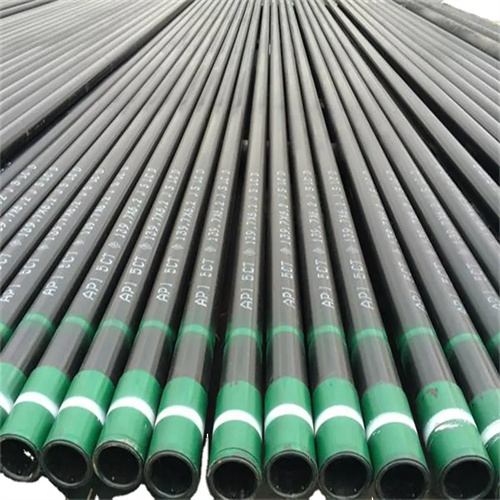
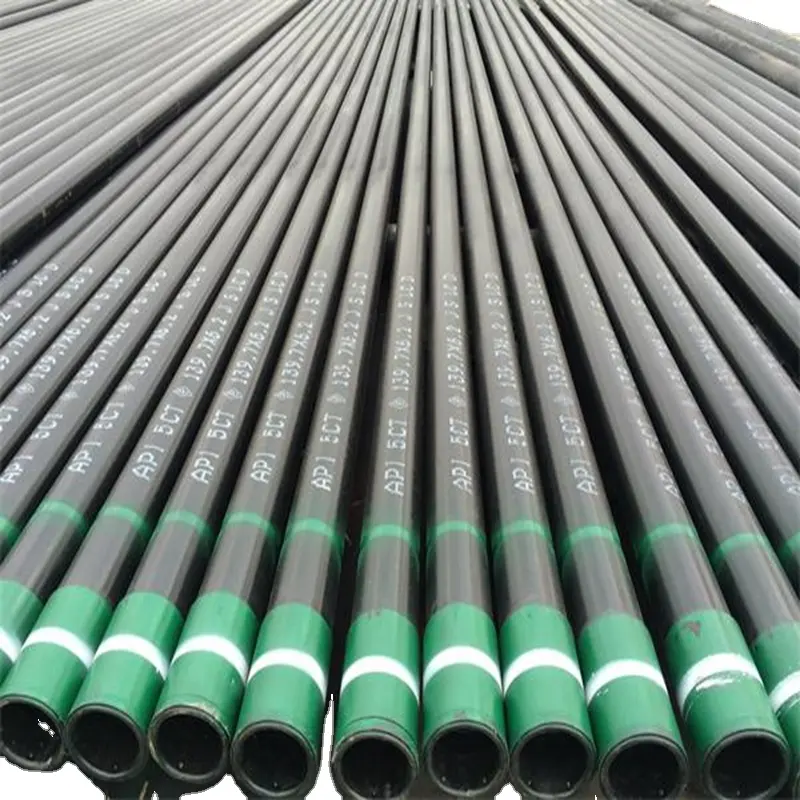
API 5ct J55 CASING chinese Best Exporter
Furthermore, blockchain technology enables real-time monitoring and remote management of oil casing assets. By integrating IoT devices with blockchain platforms, companies can collect and analyze data on casing performance, temperature, pressure, and other key metrics. This data-driven approach allows for predictive maintenance, reducing downtime and optimizing operational efficiency.
Looking ahead, the prospects of blockchain in oil casing operations are promising. As the technology matures and becomes more widely adopted, we can expect to see further innovations in data management, supply chain optimization, and asset tracking. By embracing blockchain, the oil and gas industry can unlock new opportunities for growth, sustainability, and resilience in an increasingly complex and competitive market landscape.
In conclusion, the integration of blockchain technology in oil casing operations represents a significant step towards enhancing efficiency, security, and transparency in the oil and gas industry. By harnessing the power of blockchain, companies can revolutionize their data management practices, streamline supply chain operations, and drive innovation in intelligent oil and gas exploitation.