Types of Pipe Materials and Their Selection for Metallic Pipes:
Pipes are essential components in various industries, serving as conduits for transporting fluids, Gases, and other substances. When it comes to selecting the right pipe material for a specific application, several factors need to be considered to ensure optimal performance and longevity. Metallic pipes are a common choice due to their strength, durability, and resistance to high temperatures and pressures. In this article, we will explore the different types of metallic pipe materials and the key considerations for selecting the most suitable option.
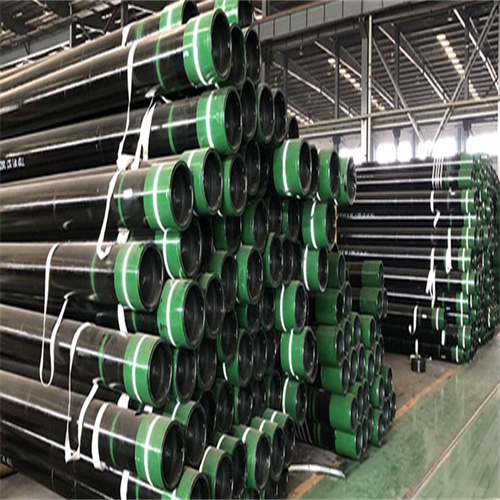
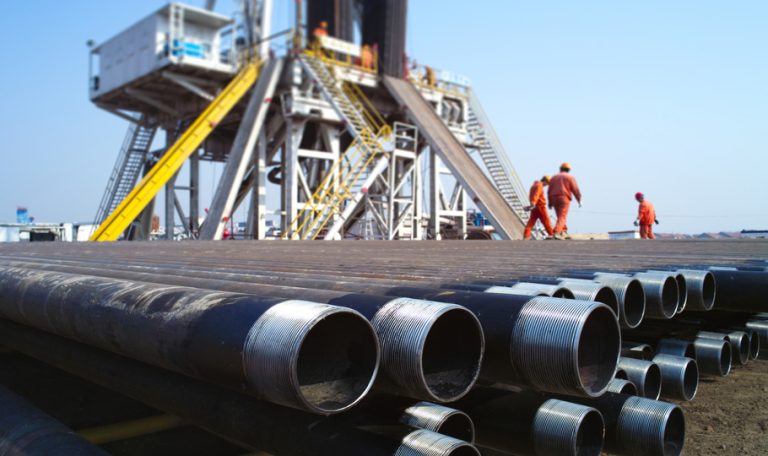
One of the most widely used metallic pipe materials is Carbon Steel. Carbon Steel Pipes are known for their strength and ability to withstand high temperatures and pressures, making them ideal for applications in industries such as Oil and Gas, petrochemical, and power generation. These pipes are relatively cost-effective and have good Corrosion resistance, but they may be susceptible to corrosion in certain environments.
API 5ct J55 Tubing Exporterstainless steel is another popular choice for metallic pipes, particularly in industries where corrosion resistance is a critical factor. Stainless Steel Pipes are highly durable, resistant to corrosion, and can withstand extreme temperatures. They are commonly used in industries such as food processing, pharmaceuticals, and chemical processing where hygiene and cleanliness are paramount.
Alloy steel pipes are a versatile option that combines the strength of carbon steel with the corrosion resistance of stainless steel. These pipes are alloyed with various elements such as chromium, molybdenum, and nickel to enhance their mechanical properties and resistance to corrosion. Alloy steel pipes are commonly used in high-temperature and high-pressure applications, such as in the aerospace and automotive industries.
Copper Pipes are known for their excellent thermal conductivity, making them ideal for applications where heat transfer is a critical factor. Copper pipes are commonly used in HVAC systems, refrigeration, and plumbing due to their ability to efficiently transfer heat and resist corrosion. However, copper pipes can be more expensive than other metallic pipe materials.

Brass pipes, which are composed of copper and zinc, offer a combination of strength, corrosion resistance, and aesthetic appeal. Brass pipes are commonly used in plumbing applications, as well as in the manufacturing of musical instruments and decorative fixtures. They are known for their malleability and ease of fabrication.
In conclusion, the selection of the right metallic pipe material is crucial to ensure the efficiency and longevity of piping systems in various industries. By considering factors such as strength, corrosion resistance, temperature tolerance, and cost, engineers and designers can choose the most suitable pipe material for a specific application. Whether it’s carbon steel, stainless steel, alloy steel, copper, or brass, each type of metallic pipe material offers unique properties and advantages that cater to different industrial needs.