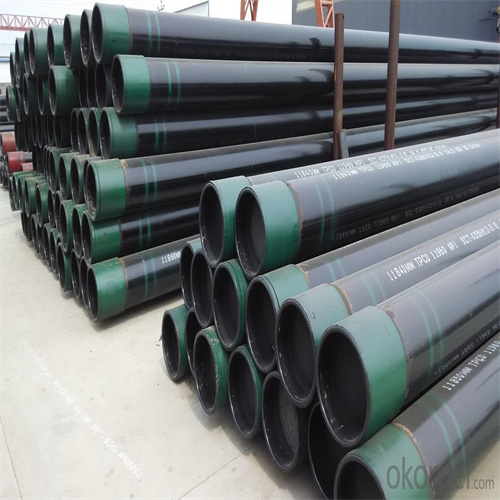
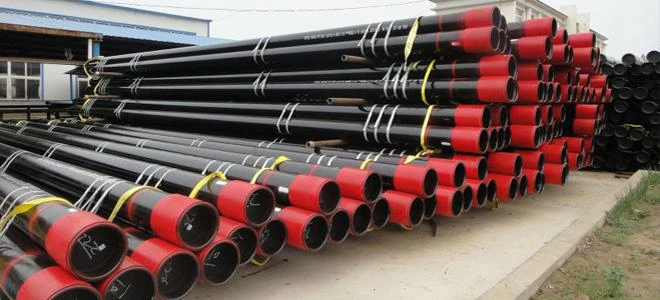
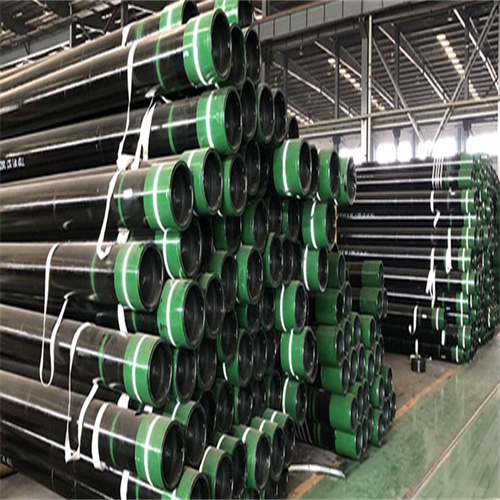
Benefits of Upgrading Oil Casing Manufacturing Patterns
Upgrading oil casing manufacturing patterns presents a multitude of benefits that significantly enhance the efficiency, safety, and overall performance of oil extraction processes. As the demand for oil contiNues to rise, the industry faces increasing pressure to improve production methods while minimizing environmental impact. One of the primary advantages of upgrading manufacturing patterns is the enhancement of product quality. Modern manufacturing techniques, such as advanced casting methods and precision machining, allow for the production of oil casings that meet stringent industry standards. These upgraded patterns ensure that the casings are not only durable but also capable of withstanding the extreme conditions often encountered in oil extraction, such as high pressure and corrosive environments. Consequently, this leads to a reduction in the frequency of failures and leaks, which can have catastrophic consequences both economically and environmentally.
In addition to improved quality, upgrading manufacturing patterns can lead to significant cost savings. Traditional manufacturing processes often involve extensive labor and time, which can inflate production costs. By adopting more efficient manufacturing techniques, Companies can streamline their operations, reduce waste, and lower labor costs. For instance, the implementation of automated processes and computer numerical control (CNC) machining can enhance precision and reduce the time required for production. This not only accelerates the manufacturing timeline but also allows companies to respond more swiftly to market demands, thereby improving their competitive edge. Furthermore, the reduction in Material waste associated with upgraded manufacturing patterns contributes to lower overall production costs, making it a financially sound investment.
Another critical benefit of upgrading oil casing manufacturing patterns is the enhancement of safety measures. The Oil and Gas industry is inherently hazardous, and the integrity of oil casings is paramount to ensuring the safety of workers and the surrounding environment. By utilizing advanced materials and manufacturing techniques, companies can produce casings that are more resilient to failure. This increased reliability translates to fewer accidents and incidents, thereby protecting both personnel and the environment. Moreover, the adoption of modern manufacturing practices often includes rigorous testing and quality assurance protocols, further ensuring that the products meet safety standards before they are deployed in the field.
Additionally, upgrading manufacturing patterns can facilitate compliance with evolving regulatory requirements. As environmental concerns grow, governments and regulatory bodies are implementing stricter guidelines for oil extraction processes. By investing in upgraded manufacturing techniques, companies can ensure that their products not only meet current regulations but are also adaptable to future changes. This proactive approach not only mitigates the risk of non-compliance but also enhances the Company\\u2019s reputation as a responsible and forward-thinking entity within the industry.
Moreover, the integration of innovative technologies in the manufacturing process can lead to the development of new products and solutions that address specific challenges faced in oil extraction. For instance, the use of smart materials and coatings can enhance the performance of oil casings, making them more resistant to wear and corrosion. This innovation not only improves the longevity of the products but also contributes to more sustainable practices within the industry.
In conclusion, the benefits of upgrading oil casing manufacturing patterns are multifaceted, encompassing improved product quality, cost savings, enhanced safety, regulatory compliance, and the potential for innovation. As the oil and gas industry continues to evolve, embracing these advancements will be crucial for companies seeking to maintain their competitive edge while ensuring the safety and sustainability of their operations. By investing in modern manufacturing techniques, the industry can not only meet the demands of today but also prepare for the challenges of tomorrow.
Innovative Technologies in Oil Casing Production
In the realm of oil casing manufacturing, the integration of innovative technologies has become a pivotal factor in enhancing production efficiency and product quality. As the demand for oil and gas continues to rise globally, Manufacturers are compelled to adopt advanced techniques that not only streamline operations but also ensure the durability and reliability of oil casing products. One of the most significant advancements in this field is the implementation of automation and robotics. By utilizing automated systems, manufacturers can achieve higher precision in the production process, reducing human error and increasing output rates. Robotics, in particular, plays a crucial role in tasks such as welding, inspection, and material handling, allowing for a more consistent and efficient workflow.
Moreover, the advent of computer numerical control (CNC) machining has revolutionized the way oil casing components are produced. CNC machines enable manufacturers to create complex geometries with remarkable accuracy, which is essential for meeting the stringent specifications required in the oil and gas industry. This technology not only enhances the quality of the finished products but also significantly reduces lead times, allowing companies to respond more swiftly to market demands. In addition to CNC machining, additive manufacturing, commonly known as 3D printing, is emerging as a transformative force in oil casing production. This technology allows for the r APId prototyping of components, enabling manufacturers to test and iterate designs more efficiently. Furthermore, 3D printing can facilitate the production of customized parts, catering to specific client requirements and enhancing overall customer satisfaction.
As the industry continues to evolve, the incorporation of advanced materials is also gaining traction. The development of high-strength alloys and composite materials has led to the production of oil casings that are not only lighter but also more resistant to corrosion and wear. These materials contribute to the longevity and reliability of oil casing products, which is crucial in harsh operating environments. Additionally, the use of advanced coatings and surface treatments can further enhance the performance of oil casings, providing an extra layer of protection against the elements and extending their service life.

Another noteworthy innovation in oil casing manufacturing is the application of data analytics and the Internet of Things (IoT). By leveraging data collected from various stages of the production process, manufacturers can gain valuable insights into operational efficiency and product performance. This data-driven approach enables companies to identify bottlenecks, optimize workflows, and make informed decisions that enhance overall productivity. Furthermore, IoT technology allows for real-time monitoring of equipment and processes, facilitating proactive Maintenance and reducing downtime.
oil Pipe Best china ExportersIn conclusion, the landscape of oil casing manufacturing is undergoing a significant transformation driven by innovative technologies. The integration of automation, CNC machining, additive manufacturing, advanced materials, and data analytics is reshaping the industry, leading to improved efficiency, product quality, and customer satisfaction. As manufacturers continue to embrace these advancements, they are not only meeting the growing demands of the oil and gas sector but also positioning themselves for future success in an increasingly competitive market. The ongoing evolution of these technologies promises to further enhance the capabilities of oil casing production, ensuring that manufacturers can adapt to changing industry needs while maintaining the highest standards of quality and performance.