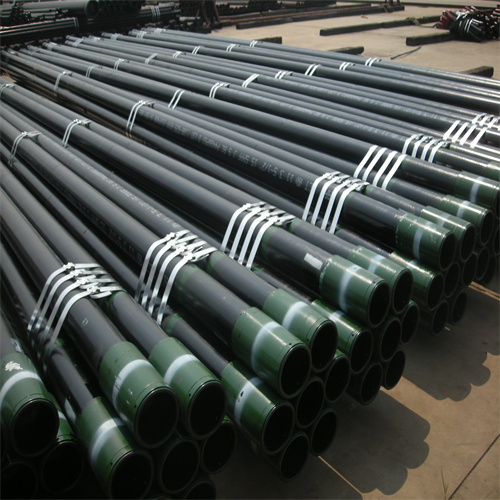
Overview of NW Casing
NW casing, also known as nominal Weight casing, plays a crucial role in the Oil and Gas industry. It is a type of casing used in drilling operations to protect the wellbore and ensure the integrity of the well. NW casing is designed to withstand the harsh conditions encountered during drilling, such as high pressure, temperature, and corrosive environments.
API 5ct l80 CASING Best chinese SuppliersOne of the key characteristics of NW casing is its nominal weight designation, which indicates the thickness of the casing wall. This thickness is essential for providing structural support to the well and preventing collapse or damage during drilling and production activities. NW casing is available in various sizes and grades to suit different drilling requirements and well conditions.
 In addition to providing structural support, NW casing also serves other important functions in the well. It helps to isolate different formations and prevent the migration of fluids between them. This is crucial for maintaining well control and preventing contamination of the reservoir. NW casing also helps to control the flow of fluids in the well and facilitates the installation of other downhole equipment, such as production Tubing and Packers.
The selection of the appropriate NW casing size and grade is a critical decision in well design and Construction. Factors such as well depth, formation characteristics, and drilling conditions must be carefully considered to ensure the casing can withstand the expected loads and pressures. Improper selection of NW casing can lead to wellbore instability, casing failure, and other costly problems.
NW casing is typically installed in a series of concentric strings, with each string serving a specific purpose in the well. The outermost Casing string, known as the surface casing, is usually the largest and provides the initial structural support for the well. Subsequent strings of NW casing are run inside the surface casing to isolate different zones and provide additional support as the well is drilled deeper.
During the drilling process, NW casing is run into the wellbore and cemented in place to create a barrier between the casing and the formation. This cement sheath helps to secure the casing in position, prevent fluid migration, and protect the well from external pressures. Proper Cementing of NW casing is essential for ensuring well integrity and preventing environmental damage.
In conclusion, NW casing is a critical component of well construction in the oil and gas industry. It provides structural support, isolates formations, controls fluid flow, and facilitates the installation of downhole equipment. Proper selection and installation of NW casing are essential for ensuring well integrity, safety, and productivity in drilling operations. Understanding the role and importance of NW casing is key to successful well design and construction.