Superior Corrosion resistance of Materials Used in Construction
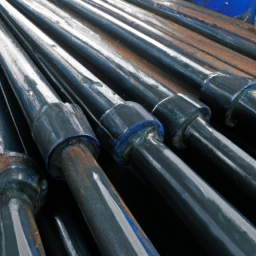
Oil Casing plays a crucial role in the extraction and production of oil from onshore fields, where harsh environmental conditions and operational demands require robust materials that can withstand corrosion and mechanical stress over extended periods. One of the standout features distinguishing superior oil casing in onshore oil fields is its exceptional corrosion resistance, primarily derived from the materials used in its construction.
Corrosion poses a significant challenge in oil extraction environments due to the presence of corrosive elements such as hydrogen sulfide (H2S) and carbon dioxide (CO2) in reservoir fluids, coupled with high pressures and temperatures. Addressing these challenges requires materials capable of resisting corrosion effectively.
Modern oil casing designed for onshore applications typically utilizes high-quality Steels such as Carbon steel, alloy steel, or Stainless Steel. These materials are cHosen for their innate ability to withstand corrosive environments and maintain structural integrity under extreme conditions. Carbon steel, for instance, is widely used for its strength and affordability, while alloy steels offer enhanced mechanical properties and resistance to specific corrosive agents. Stainless steels, on the other hand, provide superior corrosion resistance due to their chromium content, which forms a protective oxide layer on the surface.
 The construction process of oil casing involves meticulous attention to material selection and manufacturing techniques to ensure optimal performance. Steel grades are carefully chosen based on the expected downhole conditions, including factors like temperature, pressure, and the chemical composition of the reservoir fluids. Specialized coatings or treatments may also be applied to further enhance corrosion resistance. These coatings often include corrosion inhibitors or metallic coatings like zinc, aluminum, or epoxy, which provide an additional barrier against corrosive elements.
In onshore oil fields, where operational efficiency and reliability are paramount, the choice of corrosion-resistant materials directly impacts the longevity and performance of oil casing. By utilizing advanced materials and coatings, operators can mitigate the risk of casing failures due to corrosion-induced integrity loss, thereby enhancing safety and reducing downtime.
Moreover, advancements in metallurgy and manufacturing technologies contiNue to drive improvements in the corrosion resistance of oil casing. Research and development efforts focus on enhancing the properties of existing materials or developing novel alloys that offer even greater resistance to corrosion and mechanical wear.
Furthermore, the environmental impact of Oil casing materials is also a consideration in modern oil field operations. Sustainable practices aim to minimize the use of hazardous substances in coatings and construction materials, while also optimizing the recyclability of casing components at the end of their operational life.
In conclusion, the superior corrosion resistance of materials used in the construction of oil casing is a critical factor that distinguishes high-quality products in onshore oil fields. By selecting appropriate materials and employing effective coatings, operators can ensure the reliability and longevity of oil casing under challenging operational conditions. As technology advances and environmental considerations evolve, the industry continues to innovate, striving to enhance the performance and sustainability of oil field equipment. This ongoing pursuit of excellence underscores the importance of corrosion resistance in maintaining the efficiency and safety of onshore oil production operations.
Enhanced Durability and Longevity in Harsh Onshore Environments
In the realm of onshore oil fields, the significance of oil casing cannot be overstated. These critical components serve as protective barriers for drilling operations, shielding the wellbore from external pressures and ensuring the integrity of the entire extraction process. Amidst the various options available, one particular type of oil casing stands out due to its exceptional durability and longevity in harsh onshore environments.
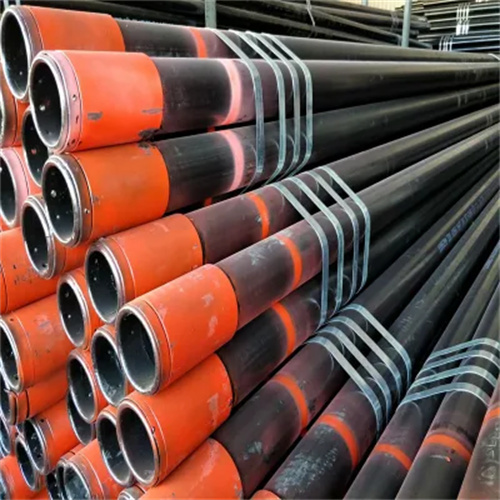
API 5ct l80 9Cr CASING Best china Factories
This specialized oil casing is engineered to withstand the rigors of onshore drilling, where environmental conditions can be particularly challenging. Enhanced durability is achieved through meticulous material selection and manufacturing processes that prioritize resilience against corrosion, mechanical stress, and abrasion. These casings are typically constructed from high-strength alloys or specially treated steel, fortified to endure the demanding conditions prevalent in onshore oil fields.
A key distinguishing feature of this oil casing lies in its ability to maintain structural integrity over prolonged periods. The harsh environment of onshore oil fields, characterized by abrasive particles, corrosive substances, and fluctuating temperatures, necessitates materials that can resist degradation. Through advanced metallurgical techniques and rigorous quality control measures, this casing type not only meets but exceeds industry standards for durability.
Moreover, longevity is a critical consideration in the cost-effectiveness of oil field operations. The extended lifespan of this casing translates into reduced downtime and Maintenance costs, optimizing productivity and enhancing operational efficiency. Operators benefit from fewer replacements and Repairs, minimizing disruptions to drilling activities and maximizing the return on investment in equipment.
Beyond durability and longevity, another notable advantage of this oil casing is its adaptability to diverse onshore environments worldwide. Whether facing arid deserts, humid jungles, or frigid tundras, the casing’s robust design ensures consistent performance under varying climatic and geological conditions. This versatility is crucial for operators navigating different terrains and climates without compromising operational safety or efficiency.
Furthermore, the design of this casing incorporates features that enhance operational safety. Its robust construction provides a reliable barrier against potential wellbore instability, safeguarding both personnel and equipment during drilling and extraction processes. This aspect underscores the casing’s role not only in protecting the integrity of the well but also in mitigating risks associated with onshore drilling operations.
In addition to its physical attributes, the environmental sustainability of this casing type merits attention. By prolonging equipment life and reducing the frequency of replacements, it contributes to minimizing waste generation and resource consumption associated with oil field operations. This aligns with industry trends towards greater environmental stewardship and efficiency in resource utilization.
The adoption of advanced technologies in manufacturing processes continues to drive innovation in oil casing design. Ongoing research and development efforts focus on further enhancing the performance and durability of these critical components, ensuring they meet the evolving needs of onshore oil field operations. This commitment to innovation underscores the industry’s proactive approach to addressing challenges and optimizing performance across all stages of the extraction process.
In conclusion, the exceptional durability and longevity of this specialized oil casing make it a standout choice for onshore oil fields worldwide. Engineered to withstand the harshest environmental conditions, it not only ensures operational continuity and safety but also supports cost-efficiency and environmental sustainability. As the industry continues to evolve, these casings remain at the forefront, embodying the relentless pursuit of excellence in onshore drilling technology.