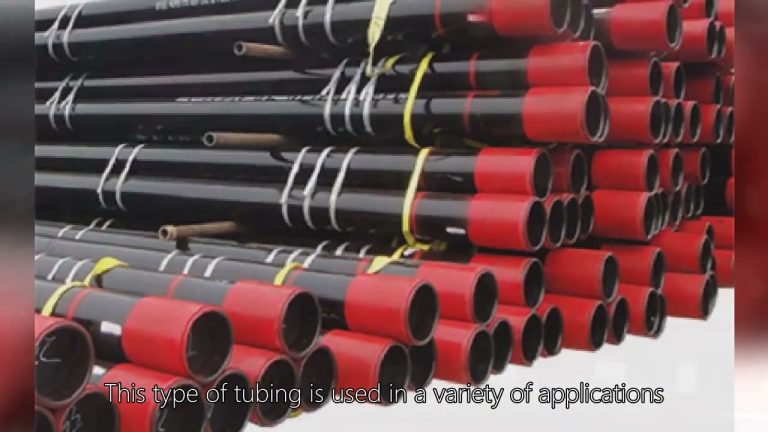
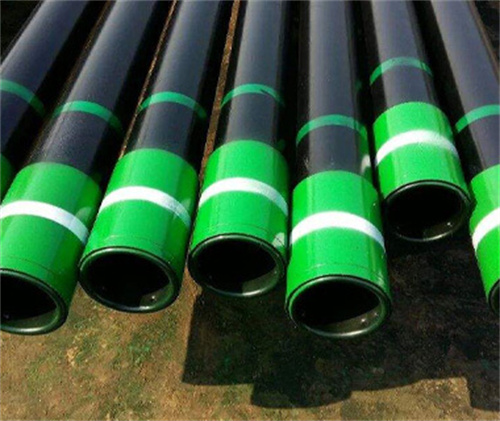
**Understanding Oil Casing types and Their Applications**
When it comes to the Oil and Gas industry, the selection of the appropriate oil casing is a critical decision that can significantly impact the efficiency and safety of drilling operations. Oil casing serves as a protective lining for the wellbore, ensuring the structural integrity of the well and preventing the contamination of groundwater. Understanding the various types of oil casing and their specific applications is essential for making informed choices that align with the actual necessity structure of a given project.
To begin with, it is important to recognize that oil casing is categorized into several types, each designed to meet different operational requirements. The most common types include surface casing, intermediate casing, and production casing. Surface casing is typically the first layer installed in a well and is crucial for protecting freshwater aquifers from contamination. It is usually made from Carbon Steel and is designed to withstand the pressures encountered during drilling. The selection of surface casing must take into account the depth of the well, the geological conditions, and the potential for environmental impact.
Following the installation of surface casing, intermediate casing may be required, particularly in deeper wells or in areas with complex geological formations. This type of casing provides additional support and stability to the wellbore, helping to manage the pressures that arise during drilling and production. The choice of intermediate casing is influenced by factors such as the anticipated formation pressures, the presence of unstable rock formations, and the overall design of the well. It is essential to select an intermediate casing that can withstand the specific conditions of the drilling environment to ensure the safety and success of the operation.
Production casing, on the other hand, is installed after the well has been drilled to the desired depth and is intended to facilitate the extraction of oil or gas. This casing must be robust enough to handle the pressures and temperatures associated with production, as well as any corrosive substances that may be present in the reservoir. The Material selection for production casing is critical, as it must not only provide structural integrity but also resist corrosion and wear over time. In many cases, the use of specialized alloys or coatings may be necessary to enhance the durability of the production casing.
In addition to understanding the types of casing, it is also vital to consider the specific requirements of the project at hand. Factors such as the depth of the well, the geological characteristics of the formation, and the anticipated production rates all play a significant role in determining the appropriate casing type. Furthermore, regulatory requirements and industry standards must be adhered to, ensuring that the selected casing meets all safety and environmental guidelines.
Moreover, advancements in technology have led to the development of new materials and casing designs that can improve performance and reduce costs. For instance, the use of composite materials or advanced steel alloys can enhance the strength and Corrosion resistance of casing, making them suitable for challenging environments. As such, staying informed about the latest innovations in casing technology is essential for making the right choice.
In conclusion, the selection of oil casing is a multifaceted decision that requires a thorough understanding of the various types available and their specific applications. By carefully considering the unique requirements of each project, including geological conditions, regulatory standards, and technological advancements, operators can make informed choices that ensure the safety, efficiency, and success of their drilling operations. Ultimately, the right choice of oil casing not only protects the environment but also contributes to the overall sustainability of the oil and gas industry.
**Evaluating Geological Conditions for Optimal Oil Casing Selection**
When it comes to the extraction of oil, one of the most critical decisions that engineers and geologists face is the selection of the appropriate oil casing. This choice is not merely a matter of preference; rather, it is fundamentally tied to the geological conditions present at the drilling site. Therefore, evaluating these geological conditions is paramount for ensuring the integrity of the well and optimizing production efficiency. The process begins with a comprehensive geological survey, which includes the analysis of rock formations, soil types, and the presence of any potential hazards such as faults or unstable strata. By understanding the geological makeup of the area, engineers can make informed decisions regarding the type and grade of casing that will be most effective in that specific environment.
In addition to the geological survey, it is essential to consider the depth of the well and the expected pressures and temperatures at various depths. As drilling progresses, the conditions can change significantly, and the casing must be able to withstand these variations. For instance, in deeper wells, the pressure increases, which necessitates the use of stronger, more durable casing materials. Conversely, in shallower wells, the requirements may be less stringent, allowing for the use of lighter materials. This understanding of depth-related conditions is crucial, as it directly influences the selection of casing that can maintain structural integrity while also being cost-effective.
Moreover, the type of oil being extracted plays a significant role in casing selection. Different types of oil can have varying chemical compositions, which may affect the casing materials’ resistance to corrosion and other forms of degradation. For example, sour crude oil, which contains hydrogen sulfide, poses a greater risk of corrosion compared to sweet crude oil. Therefore, selecting a casing material that is resistant to such corrosive elements is vital for ensuring the longevity and safety of the well. This consideration further emphasizes the need for a thorough understanding of the geological and chemical conditions present at the drilling site.
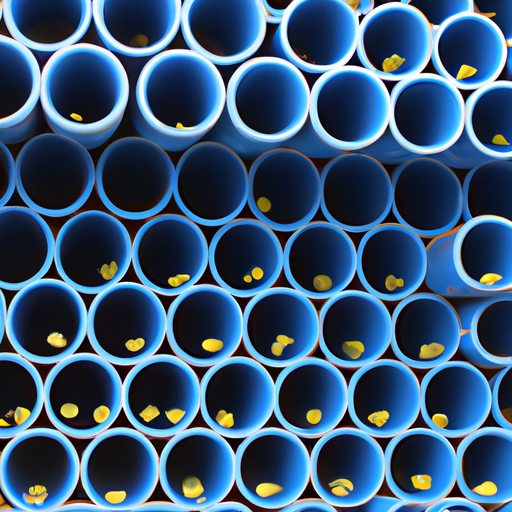 In addition to these factors, the potential for environmental impact must also be taken into account. The casing must not only be suitable for the geological conditions but also designed to prevent any potential leaks or spills that could harm the surrounding environment. This aspect of casing selection is increasingly important in today\\u2019s regulatory landscape, where environmental protection is a top priority. Engineers must ensure that the cHosen casing meets all regulatory requirements while also being robust enough to handle the specific challenges posed by the geological conditions.
steel Tubing Best chinese ExporterFurthermore, advancements in technology have introduced new materials and methods for casing that can enhance performance and safety. For instance, the use of composite materials or advanced steel alloys can provide greater strength and resistance to corrosion, thereby extending the life of the casing. As such, staying informed about the latest developments in casing technology can provide engineers with additional options that may be better suited to the unique conditions of their drilling sites.
In conclusion, the selection of oil casing is a multifaceted decision that requires a thorough evaluation of geological conditions, well depth, oil type, environmental considerations, and technological advancements. By carefully analyzing these factors, engineers can make informed choices that not only enhance the safety and efficiency of oil extraction but also contribute to sustainable practices in the industry. Ultimately, the right choice of oil casing is essential for the successful operation of any drilling project, ensuring that it meets both operational and environmental standards.