**Innovative Materials in Oil Casing Design**
The Oil and Gas industry has long relied on the integrity and durability of oil casing to ensure the safe and efficient extraction of hydrocarbons from beneath the Earth’s surface. Traditionally, oil casing has been constructed from Steel, a material known for its strength and resistance to pressure. However, as the demands of the industry evolve and the challenges associated with drilling in increasingly complex environments become more pronounced, there is a growing need for innovative materials in oil casing design. This shift is driven by the necessity to enhance performance, reduce costs, and improve safety in oil extraction operations.
One of the most significant advancements in Oil casing materials is the development of composite materials. These materials, which combine two or more distinct substances to create a product with superior properties, offer several advantages over traditional steel casing. For instance, composite casings can be engineered to be lighter than steel, which not only reduces transportation and installation costs but also minimizes the energy required for drilling operations. Additionally, composites can be designed to resist corrosion and chemical degradation, which is particularly beneficial in environments where aggressive fluids are present. This resistance to corrosion extends the lifespan of the casing, thereby reducing the frequency of replacements and Maintenance, ultimately leading to cost savings for operators.
Another innovative approach involves the use of advanced polymers in oil casing design. Polymers, known for their versatility and adaptability, can be tailored to meet specific performance requirements. For example, certain polymers exhibit excellent resistance to high temperatures and pressures, making them suitable for deep-water drilling applications. Furthermore, the flexibility of polymer-based casings allows for easier installation in challenging geological formations, where traditional rigid casings may struggle. The incorporation of polymers also opens up possibilities for the development of smart casings, which can integrate sensors to monitor conditions within the wellbore, providing real-time data that can enhance decision-making and operational efficiency.
In addition to composites and polymers, the exploration of nanomaterials has emerged as a promising frontier in oil casing technology. Nanomaterials, which are engineered at the molecular or atomic level, possess unique properties that can significantly enhance the performance of oil casing. For instance, the incorporation of nanoparticles into traditional materials can improve their mechanical strength, thermal stability, and resistance to wear and tear. This enhancement is particularly crucial in high-stress environments, where the integrity of the casing is paramount to preventing catastrophic failures. Moreover, nanomaterials can be designed to exhibit self-healing properties, allowing for the Repair of minor damages without the need for extensive intervention, thus further extending the operational life of the casing.
As the industry contiNues to face challenges such as fluctuating oil Prices, environmental regulations, and the need for sustainable practices, the adoption of innovative materials in oil casing design becomes increasingly vital. The integration of advanced composites, polymers, and nanomaterials not only addresses the immediate concerns of performance and safety but also aligns with the broader goals of sustainability and efficiency. By investing in research and development of these materials, the oil and gas sector can pave the way for a more resilient and adaptable infrastructure, capable of meeting the demands of the future. In conclusion, the evolution of oil casing materials represents a critical step forward in the quest for safer, more efficient, and environmentally responsible oil extraction practices, ensuring that the industry can continue to thrive in an ever-changing landscape.
**Impact of Oil Casing on well integrity and Safety**
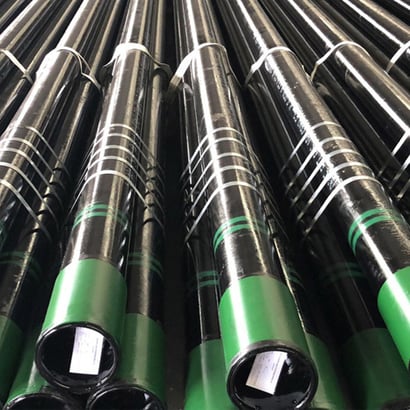
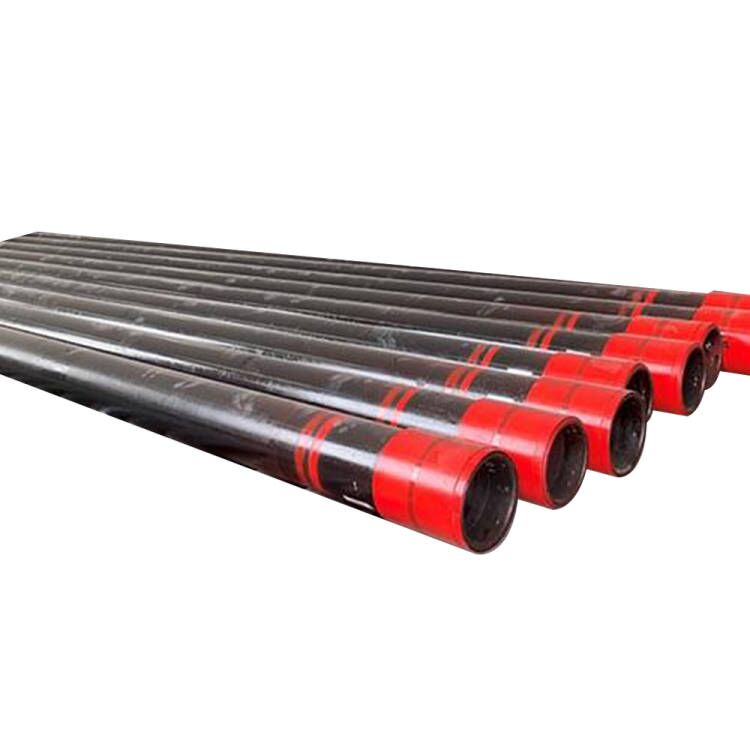
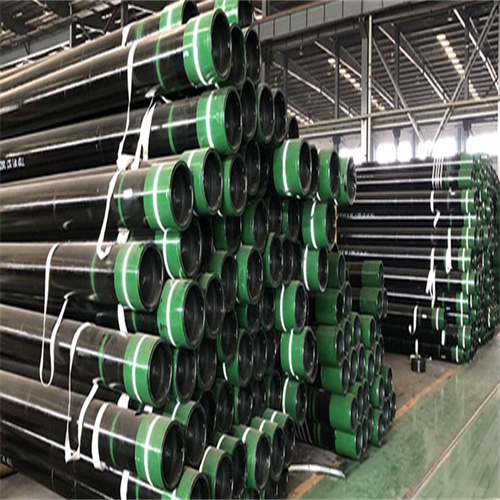
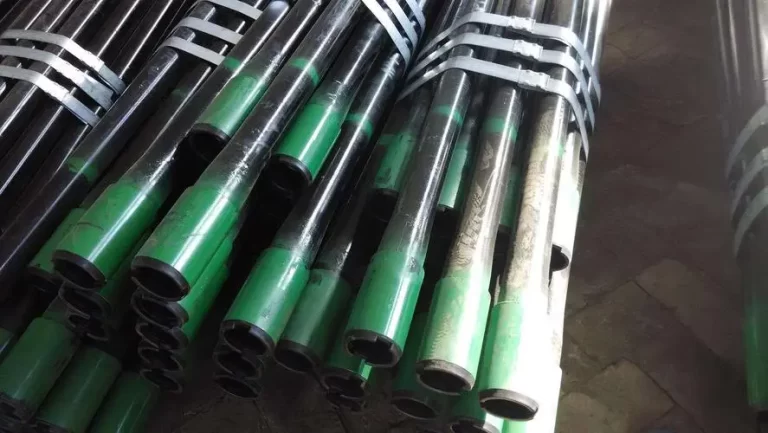
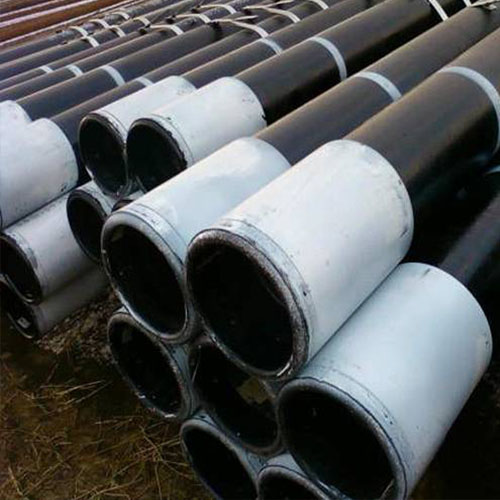
The impact of oil casing on well integrity and safety is a critical aspect of the oil and gas industry, as it directly influences the overall success of drilling operations and the protection of both the environment and human health. Oil casing, which refers to the Steel Pipe that is inserted into the wellbore, serves multiple essential functions that contribute to the structural integrity of the well. One of the primary roles of casing is to provide support to the wellbore, preventing it from collapsing under the immense pressure exerted by surrounding geological formations. This structural support is vital, particularly in deep wells where the pressure and temperature conditions can be extreme.
Moreover, oil casing plays a significant role in isolating different layers of rock and fluid within the well. By effectively Sealing off various formations, casing helps to prevent the migration of fluids, such as oil, gas, and water, between different strata. This isolation is crucial not only for maximizing the efficiency of hydrocarbon extraction but also for safeguarding against potential contamination of freshwater aquifers. The integrity of the casing is, therefore, paramount; any failure or compromise in the casing can lead to catastrophic consequences, including blowouts, leaks, and environmental disasters.
drivepipe chinese Best wholesalersIn addition to providing structural support and fluid isolation, oil casing is instrumental in maintaining well control during drilling operations. The casing is designed to withstand the pressures encountered during drilling and production, and it is equipped with various safety features, such as blowout preventers, which are essential for managing unexpected pressure surges. These safety mechanisms are critical in preventing uncontrolled releases of hydrocarbons, which can pose significant risks to both personnel and the surrounding environment. The design and installation of casing must adhere to stringent industry standards and regulations to ensure that these safety features function effectively.
Furthermore, the materials used in oil casing are specifically cHosen for their durability and resistance to corrosion, which is particularly important in environments where exposure to harsh chemicals and high temperatures is common. The longevity of the casing is vital for the long-term integrity of the well, as any degradation over time can lead to failures that compromise safety. Regular inspections and maintenance of the casing are necessary to identify any signs of wear or damage, allowing for timely interventions that can prevent more severe issues from arising.
The impact of oil casing on well integrity and safety extends beyond the immediate operational aspects; it also has broader implications for regulatory compliance and public perception. As environmental concerns continue to grow, the oil and gas industry faces increasing scrutiny regarding its practices and the potential risks associated with drilling operations. Ensuring the integrity of oil casing is not only a technical requirement but also a critical component of maintaining public trust and meeting regulatory obligations. Companies that prioritize the integrity of their casing systems are better positioned to mitigate risks and demonstrate their commitment to responsible resource management.
 In conclusion, the impact of oil casing on well integrity and safety is multifaceted, encompassing structural support, fluid isolation, well control, and material durability. The importance of maintaining the integrity of oil casing cannot be overstated, as it is essential for preventing environmental contamination, ensuring operational safety, and complying with regulatory standards. As the industry continues to evolve, ongoing advancements in casing technology and practices will be crucial in addressing the challenges associated with drilling operations and enhancing the overall safety and sustainability of oil and gas extraction.