Dissecting Differences: How Do the Size and Dimension Standards of API and ASTM Pipes Stand Apart?
In the world of industrial piping, the standards set by the American Petroleum Institute (API) and the American Society for Testing and Materials (ASTM) are paramount for ensuring safety, reliability, and efficiency. Both organizations provide guidelines that are crucial in the manufacturing and testing of pipes used across various industries, including Oil and Gas, chemical, and water treatment. However, their size and dimension standards exhibit notable differences that are essential for professionals in these fields to understand.
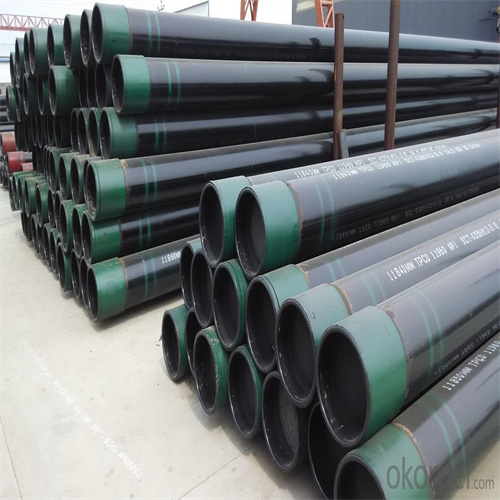
API standards are primarily focused on the oil and natural gas industry, which demands pipes that can withstand high pressures and corrosive environments. The API 5L specification, for instance, is widely recognized in the pipeline industry. It outlines requirements for the manufacture of two levels of specification for seamless and Welded Steel Pipes. This specification covers pipes of various sizes and thicknesses, which are necessary to accommodate the varying pressures and flows encountered in transmission pipelines. The dimensions and sizes under API standards are typically geared towards large Diameter pipes designed for substantial transmission purposes.
On the other hand, ASTM standards encompass a broader range of materials and applications, including plastics, metals, and other materials. ASTM standards for pipes, such as ASTM A106, specify the Seamless Carbon steel Pipe for high-temperature service. Unlike API, ASTM standards cover a wide variety of pipe sizes and dimensions that are used in mechanical and structural applications, not just limited to the conveyance of fluids or gases. The ASTM dimensions are generally smaller and more varied, catering to a wider range of applications that require precision and specific mechanical properties.
The contrast in the focus of these standards reflects the different needs of the industries they serve. API\\u2019s specifications are robust, focusing on dimensions that promote strength and durability necessary for long-distance transportation of fluids under high pressures. This necessitates larger diameters and thicker pipe walls. Conversely, ASTM standards prioritize versatility and specificity in applications that may not require the high-pressure thresholds characteristic of API standards but instead may need a variety of sizes and thicknesses to perform under different conditions and temperatures.
what is an Oil Filter case made ofMoreover, the testing and certification processes under these standards also differ to align with their respective applications. API certification, notably API Q1 and Q2, is stringent, reflecting the high-risk environments of oil and gas industries where safety is paramount. ASTM certifications, such as ASTM E18 for metallic materials, ensure that materials meet specific criteria for their intended use, focusing on aspects like hardness and material strength.
Understanding these differences is crucial for engineers, procurement officials, and project managers who must select the appropriate piping for their specific needs. Choosing the wrong type of pipe can lead to inefficiencies, increased costs, or even dangerous failures. Therefore, a thorough knowledge of whether API or ASTM standards better suit a project\\u2019s requirements is essential for the successful completion and operation of any industrial system.
 In conclusion, while both API and ASTM provide critical guidelines for pipe manufacturing, their standards are tailored to meet the unique demands of different industries. Recognizing the distinctions between the size and dimension standards of API and ASTM pipes is key to making informed decisions in the selection and use of industrial piping systems.