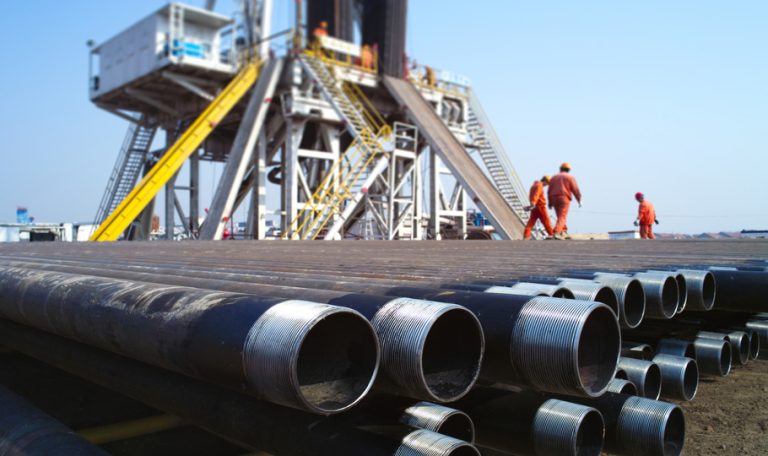
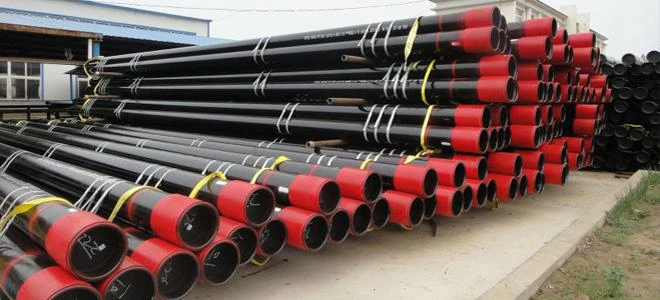
Overview of API 5ct grade J55 Coated Casing Pipe: Specifications and Applications
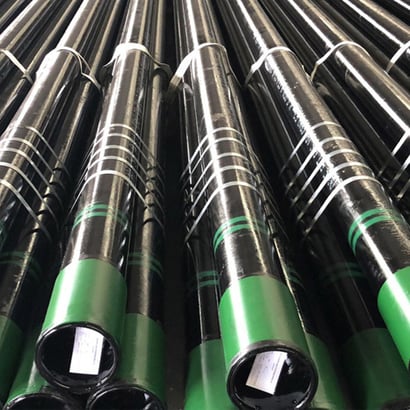
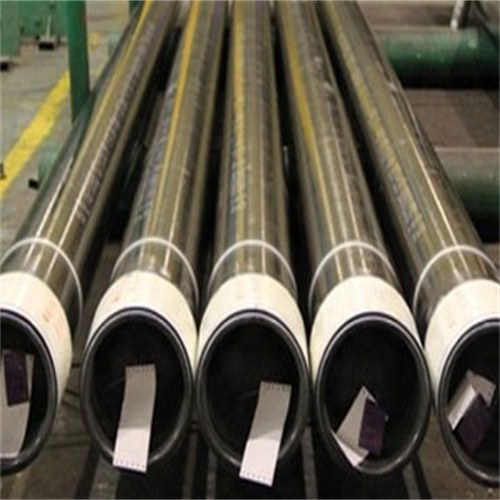
API 5CT Grade J55 Coated Casing Pipe is a crucial component in the Oil and Gas industry, specifically designed to provide structural integrity and support in various drilling applications. This type of casing pipe is manufactured according to the specifications set forth by the American Petroleum Institute (API), which ensures that it meets the rigorous standards required for use in the extraction of hydrocarbons. The J55 designation indicates a specific yield strength, which is essential for withstanding the pressures encountered during drilling operations. Typically, the yield strength for J55 casing pipe is around 55,000 psi, making it suitable for a range of environments, including tHose with moderate pressure and temperature conditions.
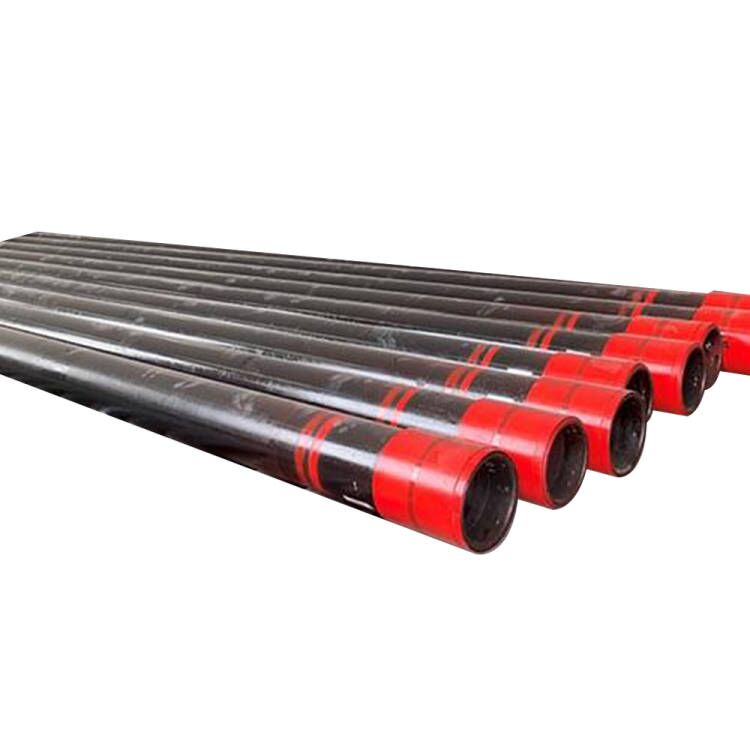
The coating applied to the j55 casing pipe serves multiple purposes, enhancing its performance and longevity. Coatings can vary, but they are generally designed to provide Corrosion resistance, which is vital in environments where the pipe may be exposed to harsh chemicals or moisture. This protective layer not only extends the life of the casing but also reduces Maintenance costs and the likelihood of failures that could lead to costly downtime. The application of coatings is particularly important in offshore drilling operations, where exposure to saltwater can significantly accelerate corrosion processes.
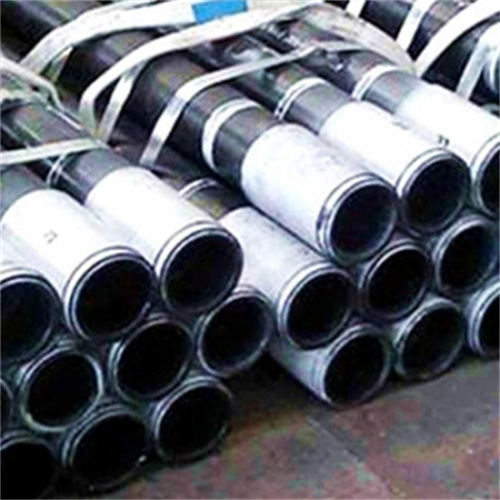
In terms of specifications, API 5CT Grade J55 Coated Casing Pipe is available in various sizes and Wall thicknesses, allowing for flexibility in its application across different drilling projects. The standard dimensions are defined by API specifications, which provide guidelines for the manufacturing process, ensuring consistency and reliability. The Pipes are typically produced in Lengths ranging from 20 to 40 feet, although custom lengths can be manufactured to meet specific project requirements. Additionally, the manufacturing process involves rigorous quality control measures, including Non-destructive testing, to ensure that each pipe meets the necessary mechanical and chemical properties.
The applications of API 5CT Grade J55 Coated Casing Pipe are diverse, extending beyond traditional oil and gas extraction. It is commonly used in the Construction of wells, where it serves as a barrier to prevent the collapse of the borehole and to protect groundwater from contamination. Furthermore, this type of casing is utilized in geothermal energy projects, where it helps to maintain the integrity of the wellbore in high-temperature environments. The versatility of J55 casing makes it an attractive option for various industries, including water well drilling and environmental monitoring.
Moreover, the global demand for energy contiNues to rise, driving the need for reliable and efficient drilling solutions. As a result, the importance of high-quality casing pipes like API 5CT Grade J55 cannot be overstated. The ability to withstand challenging conditions while providing essential support makes it a preferred choice among drilling engineers and project managers. Additionally, the ongoing advancements in coating technologies are expected to further enhance the performance of J55 casing pipes, making them even more resilient to environmental challenges.
In conclusion, API 5CT Grade J55 Coated Casing Pipe represents a vital element in the infrastructure of the oil and gas industry, as well as in other sectors requiring robust drilling solutions. Its specifications, including yield strength and coating properties, ensure that it meets the demands of various applications, while its versatility allows for use in a wide range of environments. As the industry evolves, the continued development of casing technologies will play a significant role in meeting the challenges of modern drilling operations, ensuring that resources are extracted safely and efficiently.
Benefits of Using Coated Casing Pipes in Oil and Gas Industry
In the oil and gas industry, the integrity and reliability of equipment are paramount, particularly when it comes to the extraction and transportation of hydrocarbons. One critical component in this process is the casing pipe, which serves to stabilize the wellbore and protect it from external pressures and contaminants. Among the various grades of casing pipes available, API 5CT Grade J55 Coated Casing Pipe stands out due to its unique properties and the benefits it offers. The use of coated casing pipes, such as those made from J55 Steel, has become increasingly popular in recent years, primarily due to their enhanced performance and durability in challenging environments.
One of the primary advantages of using coated casing pipes is their resistance to corrosion. In the oil and gas sector, pipes are often exposed to harsh conditions, including high levels of moisture, aggressive chemicals, and varying temperatures. These factors can lead to significant corrosion, which compromises the structural integrity of the pipes and can result in costly Repairs or even catastrophic failures. Coated casing pipes, particularly those with protective coatings, provide an effective barrier against these corrosive elements, thereby extending the lifespan of the pipes and reducing maintenance costs. This is especially important in offshore drilling operations, where the cost of repairs and downtime can be exorbitant.
Moreover, the use of coated casing pipes enhances the overall safety of drilling operations. The oil and gas industry is inherently risky, and any failure in the casing can lead to dangerous situations, including blowouts or leaks. By utilizing API 5CT Grade J55 Coated Casing Pipe, operators can significantly mitigate these risks. The coatings not only protect against corrosion but also improve the mechanical properties of the pipes, making them more resilient to external forces and pressures. This added strength is crucial in maintaining well integrity, particularly in deep wells where the pressure and temperature conditions are extreme.
In addition to their protective qualities, coated casing pipes also offer improved performance in terms of installation and handling. The coatings can reduce friction during the installation process, allowing for Smoother and more efficient operations. This is particularly beneficial in environments where time is of the essence, as quicker installation can lead to reduced operational costs and increased productivity. Furthermore, the lightWeight nature of coated pipes can facilitate easier handling and transportation, making them a practical choice for various drilling projects.
Another significant benefit of using coated casing pipes is their versatility. API 5CT Grade J55 Coated Casing Pipe can be utilized in a wide range of applications, from conventional oil and gas extraction to more specialized operations, such as geothermal energy production. This adaptability makes them an attractive option for operators looking to optimize their resources and streamline their operations. Additionally, the availability of different coating Materials allows Companies to select the most suitable option based on their specific environmental conditions and operational requirements.
In conclusion, the benefits of using coated casing pipes, particularly API 5CT Grade J55 Coated Casing Pipe, in the oil and gas industry are manifold. From enhanced corrosion resistance and improved safety to increased efficiency and versatility, these pipes play a crucial role in ensuring the success of drilling operations. As the industry continues to evolve and face new challenges, the adoption of advanced materials and technologies, such as coated casing pipes, will be essential in driving progress and maintaining the integrity of oil and gas extraction processes. By investing in high-quality coated casing pipes, operators can not only protect their assets but also contribute to the overall sustainability and efficiency of the industry.
Maintenance and Inspection Practices for API 5CT Grade J55 Coated Casing Pipes
API 5CT Grade J55 coated casing pipes are essential components in the oil and gas industry, specifically designed to provide structural integrity and protection in various drilling environments. The maintenance and inspection practices for these pipes are critical to ensuring their longevity and performance. Regular maintenance not only extends the life of the casing pipes but also enhances safety and efficiency during drilling operations. To begin with, it is imperative to establish a routine inspection schedule that aligns with industry standards and regulatory requirements. This schedule should include visual inspections, non-destructive testing, and detailed assessments of the coating integrity.
Visual inspections serve as the first line of defense in identifying potential issues. During these inspections, operators should look for signs of corrosion, wear, or damage to the coating. Any visible defects, such as scratches or dents, can compromise the protective layer and expose the underlying steel to corrosive elements. Therefore, it is essential to conduct these inspections in a systematic manner, ensuring that all sections of the casing pipe are thoroughly examined. Additionally, the use of advanced technologies, such as drones or robotic systems, can enhance the efficiency and accuracy of visual inspections, particularly in hard-to-reach areas.
Following visual inspections, non-destructive testing (NDT) methods should be employed to assess the structural integrity of the casing pipes. Techniques such as ultrasonic testing, magnetic particle testing, and radiographic testing can provide valuable insights into the condition of the pipes without causing any damage. These methods are particularly useful for detecting internal flaws or inconsistencies that may not be visible during a standard visual inspection. By integrating NDT into the maintenance routine, operators can identify potential issues early on, allowing for timely repairs and minimizing the risk of catastrophic failures.
In addition to inspections, regular maintenance of the coating is crucial for the longevity of API 5CT Grade J55 casing pipes. The coating serves as a barrier against environmental factors, such as moisture and chemicals, which can lead to corrosion. Therefore, it is essential to monitor the condition of the coating and perform touch-ups or re-coating as necessary. This process involves cleaning the surface to remove any contaminants, followed by the application of a compatible coating material. Operators should ensure that the coating is applied according to Manufacturer specifications to achieve optimal adhesion and protection.
Moreover, it is important to document all maintenance and inspection activities meticulously. Keeping detailed records not only helps in tracking the condition of the casing pipes over time but also provides valuable data for future assessments. This documentation should include the date of inspections, findings, maintenance performed, and any recommendations for further action. By maintaining comprehensive records, operators can make informed decisions regarding the lifecycle management of the casing pipes.
api 5ct N80-Q CASING china Best MakerFinally, training personnel involved in the maintenance and inspection of API 5CT Grade J55 coated casing pipes is vital. Ensuring that staff are well-versed in the latest inspection techniques, safety protocols, and maintenance practices will enhance the overall effectiveness of the maintenance program. Regular training sessions and workshops can help keep personnel updated on industry best practices and emerging technologies.
In conclusion, the maintenance and inspection practices for API 5CT Grade J55 coated casing pipes are integral to ensuring their reliability and performance in challenging drilling environments. By implementing a comprehensive inspection schedule, utilizing advanced testing methods, maintaining the integrity of the coating, documenting activities, and training personnel, operators can significantly enhance the lifespan and safety of these critical components in the oil and gas industry.