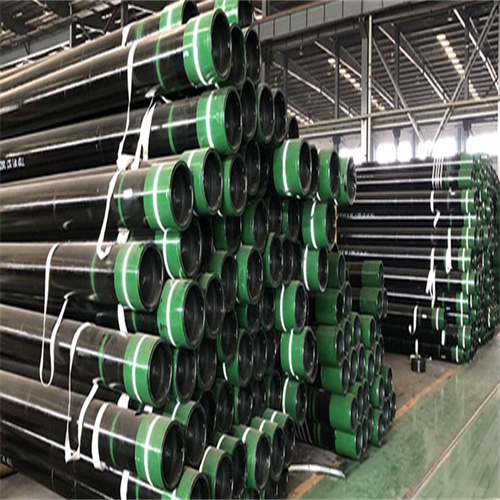
Upgrading Oil Casing production: An Overview
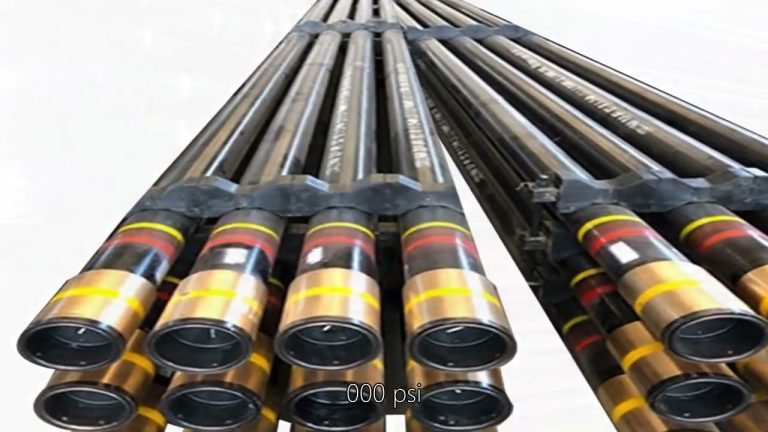
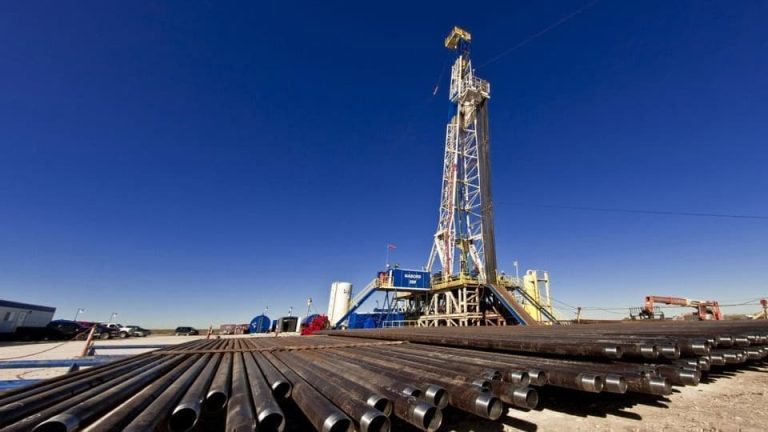
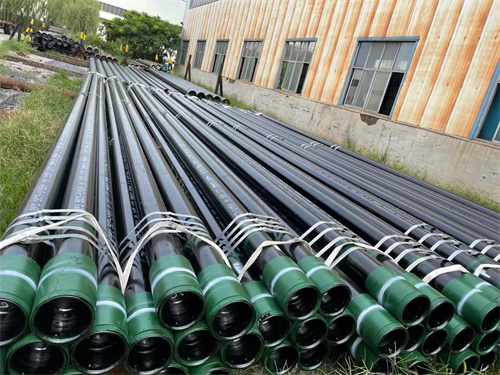
Upgrading oil casing production is a critical aspect of enhancing the efficiency and sustainability of oil extraction processes. As the demand for oil contiNues to rise, the need for innovative remanufacturing options within production frameworks becomes increasingly important. The oil casing, which serves as a protective lining for wells, plays a vital role in maintaining the integrity of the drilling process and ensuring the safety of operations. Over time, these casings can experience wear and tear due to various factors, including environmental conditions, pressure fluctuations, and the corrosive nature of the fluids they contain. Consequently, upgrading these components is essential not only for operational efficiency but also for minimizing environmental impact.
The remanufacturing of oil casing production involves several strategies aimed at restoring the functionality and extending the lifespan of existing casings. One of the primary methods employed in this process is the application of advanced Materials and coatings that enhance resistance to corrosion and wear. By utilizing high-performance alloys and specialized coatings, Manufacturers can significantly improve the durability of oil casings, thereby reducing the frequency of replacements and the associated costs. Furthermore, these advancements in material science contribute to the overall safety of oil extraction operations, as they help prevent failures that could lead to spills or other environmental hazards.
PA6 Nylon Feet Foot Oil Hose Pipe Tube
In addition to material enhancements, the integration of modern technologies such as 3D printing and computer-aided design (CAD) has revolutionized the remanufacturing process. These technologies allow for precise modeling and fabrication of casing components, ensuring that replacements fit seamlessly into existing frameworks. This level of customization not only improves the performance of the casings but also streamlines the production process, reducing lead times and minimizing waste. As a result, Companies can respond more swiftly to the demands of the market while maintaining high standards of quality and safety.
Moreover, the implementation of predictive Maintenance strategies plays a crucial role in upgrading oil casing production. By leveraging data analytics and monitoring technologies, operators can gain insights into the condition of their casings in real-time. This proactive approach enables them to identify potential issues before they escalate into significant problems, allowing for timely interventions and Repairs. Consequently, the overall efficiency of oil extraction operations is enhanced, as downtime is minimized and production levels are optimized.
Another important aspect of upgrading oil casing production is the consideration of environmental sustainability. As the industry faces increasing scrutiny regarding its environmental footprint, companies are compelled to adopt practices that reduce waste and promote recycling. Remanufacturing existing casings not only conserves resources but also aligns with the principles of a circular economy, where materials are reused and repurposed rather than discarded. This shift towards sustainable practices not only benefits the environment but also enhances the reputation of companies within the industry, as stakeholders increasingly prioritize corporate social responsibility.

In conclusion, upgrading oil casing production through innovative remanufacturing options is essential for the future of the oil industry. By focusing on advanced materials, modern technologies, predictive maintenance, and sustainability, companies can enhance the efficiency and safety of their operations while minimizing their environmental impact. As the industry continues to evolve, embracing these strategies will be crucial for meeting the challenges of an ever-changing market and ensuring the long-term viability of oil extraction processes. The commitment to upgrading oil casing production reflects a broader trend towards modernization and sustainability, positioning the industry for success in a competitive landscape.