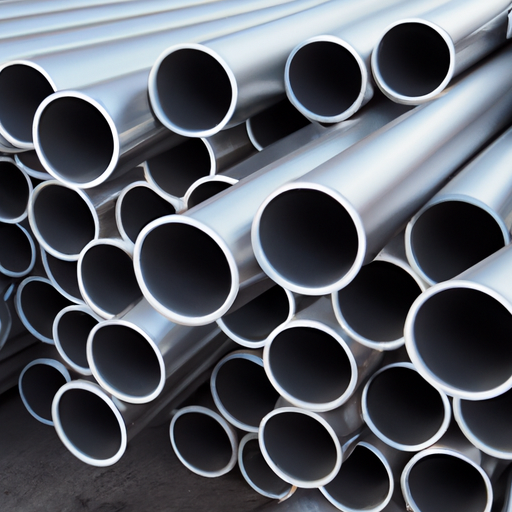
Steel Pipe
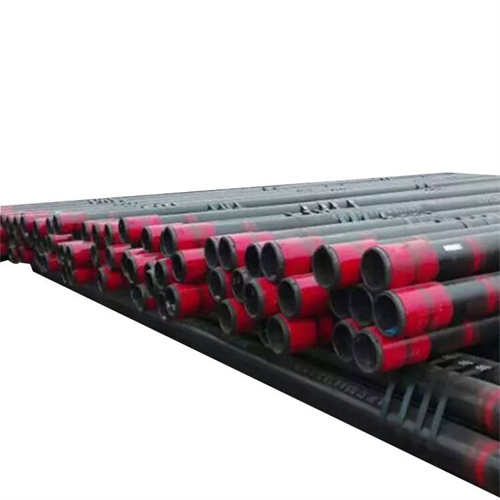
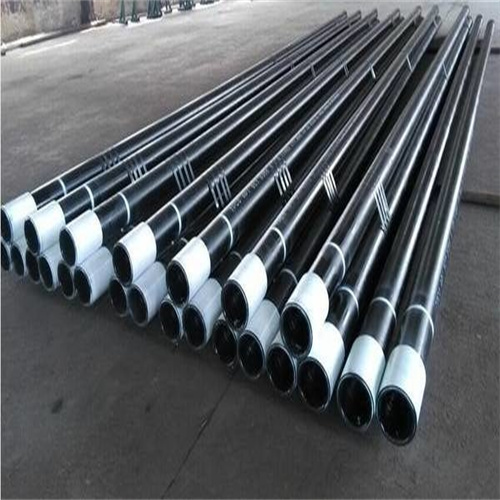
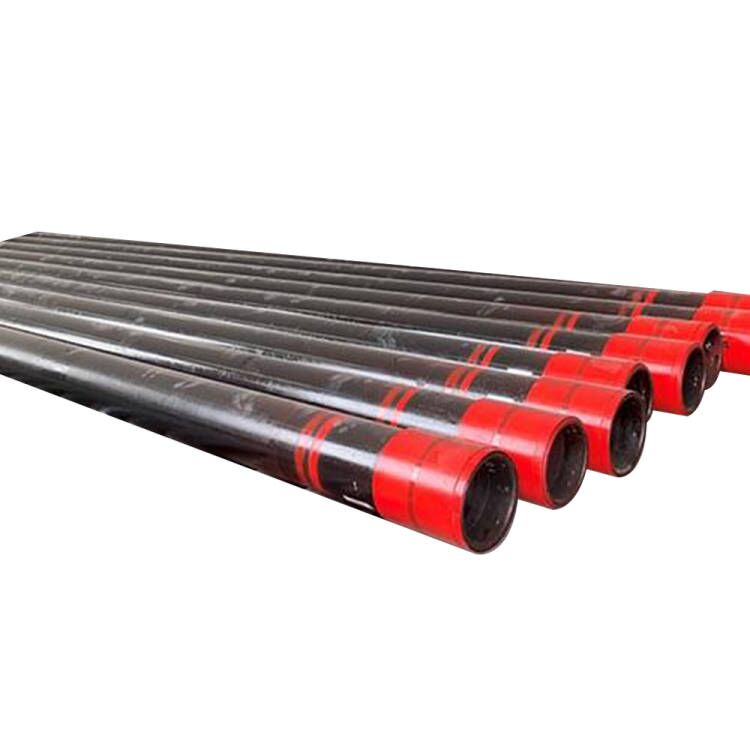
In the realm of well Construction, the choice of Materials is crucial for ensuring the integrity and longevity of the well. One of the most commonly used materials for Well Casing is steel pipe, which has been favored for its strength, durability, and resistance to various environmental factors. Steel pipe is specifically designed to withstand the pressures and conditions encountered during drilling and throughout the operational life of a well. The primary function of well casing is to provide structural support to the wellbore, preventing it from collapsing and protecting the groundwater from contamination.
Steel pipe, particularly in the form of seamless or welded casing, is engineered to meet rigorous industry standards. The manufacturing process involves the careful selection of high-quality steel, which is then subjected to various treatments to enhance its properties. For instance, the steel may be coated with protective layers to resist corrosion, a critical consideration given that wells often encounter moisture and other corrosive elements. This protective coating not only extends the life of the casing but also ensures that the water extracted remains uncontaminated.
Moreover, the dimensions and specifications of steel pipe used for well casing are determined by the specific requirements of the well being drilled. Factors such as the depth of the well, the type of sOil or rock formations encountered, and the expected pressure conditions all play a significant role in selecting the appropriate size and thickness of the steel pipe. Typically, the casing is available in various Diameters and Wall thicknesses, allowing for customization based on the unique challenges presented by each drilling site.
Adjustable Connection Bimetallic Thermometer All Stainless Steel 304 CaseIn addition to its physical properties, steel pipe offers significant advantages in terms of installation and Maintenance. The installation process involves lowering the casing into the drilled borehole, where it is then cemented in place to create a secure barrier. This Cementing process not only stabilizes the casing but also provides an additional layer of protection against the infiltration of surface contaminants. Furthermore, steel casing can be easily inspected and maintained, allowing for timely interventions should any issues arise during the well’s operational life.
Another important aspect of steel pipe as well casing is its ability to accommodate various well completion techniques. For instance, in situations where hydraulic fracturing is employed to enhance oil or Gas production, the steel casing must be capable of withstanding the high pressures associated with this process. The robust nature of steel pipe makes it an ideal choice for such applications, ensuring that the well remains functional and safe throughout its lifecycle.
In conclusion, steel pipe serves as a vital component in the construction of well casings, providing the necessary strength and durability to support the wellbore and protect groundwater resources. Its resistance to corrosion, customizable dimensions, and ease of maintenance make it a preferred choice among industry professionals. As the demand for reliable and efficient water and resource extraction contiNues to grow, the role of steel pipe in well casing will remain indispensable, ensuring that wells are constructed to withstand the challenges of their environments while safeguarding the integrity of the resources they tap into.
PVC Pipe
PVC pipe, or polyvinyl chloride pipe, has become a popular choice for well casing due to its unique properties and advantages over traditional materials. As the demand for reliable and durable well construction continues to grow, understanding the role of PVC pipe in this context is essential. Well casing serves a critical function in maintaining the integrity of a well, protecting it from contamination, and ensuring the safe extraction of groundwater. PVC pipe, with its lightWeight and corrosion-resistant characteristics, offers a compelling alternative to metal and concrete casings.
One of the primary benefits of using PVC pipe for well casing is its resistance to corrosion. Unlike metal Pipes, which can rust and degrade over time when exposed to moisture and various chemicals found in the soil, PVC pipe remains unaffected by these elements. This durability ensures that the well casing maintains its structural integrity over an extended period, reducing the need for frequent replacements and Repairs. Furthermore, the Smooth interior surface of PVC pipe minimizes friction, allowing for efficient water flow and reducing the likelihood of blockages.
In addition to its Corrosion resistance, PVC pipe is also lightweight, making it easier to handle and install compared to heavier materials like steel or concrete. This ease of installation can lead to reduced labor costs and shorter project timelines, which is particularly advantageous for contractors and well drillers. The lightweight nature of PVC pipe allows for simpler transportation to remote locations, where heavy machinery may not be readily available. Consequently, the use of PVC pipe can streamline the entire well construction process, from planning to execution.
Moreover, PVC pipe is available in various diameters and Lengths, providing flexibility in design and application. This versatility allows engineers and contractors to select the appropriate size of pipe based on the specific requirements of the well, ensuring optimal performance. Additionally, the availability of different grades of PVC pipe means that users can choose a product that meets the necessary standards for their particular project, whether it be for residential, agricultural, or industrial use.
Another significant advantage of PVC pipe is its cost-effectiveness. Compared to traditional well casing materials, PVC pipe is often more affordable, making it an attractive option for budget-conscious projects. The initial savings on material costs can be further enhanced by the long lifespan and low maintenance requirements of PVC pipe, ultimately leading to reduced overall expenses. This financial benefit is particularly important in regions where water resources are scarce, and efficient well construction is essential for sustainable water management.
While PVC pipe offers numerous advantages, it is essential to consider the specific conditions of the well site before making a final decision. Factors such as soil composition, groundwater quality, and local regulations can influence the suitability of PVC pipe for a particular application. Therefore, consulting with experienced professionals in the field is crucial to ensure that the cHosen well casing material aligns with the project\\u2019s goals and requirements.
In conclusion, PVC pipe has emerged as a viable option for well casing, thanks to its corrosion resistance, lightweight nature, versatility, and cost-effectiveness. As the demand for efficient and reliable water extraction methods continues to rise, understanding the benefits and applications of PVC pipe in well construction will be increasingly important. By carefully considering the specific needs of each project, stakeholders can make informed decisions that contribute to the successful implementation of well systems, ultimately ensuring access to clean and safe groundwater resources.